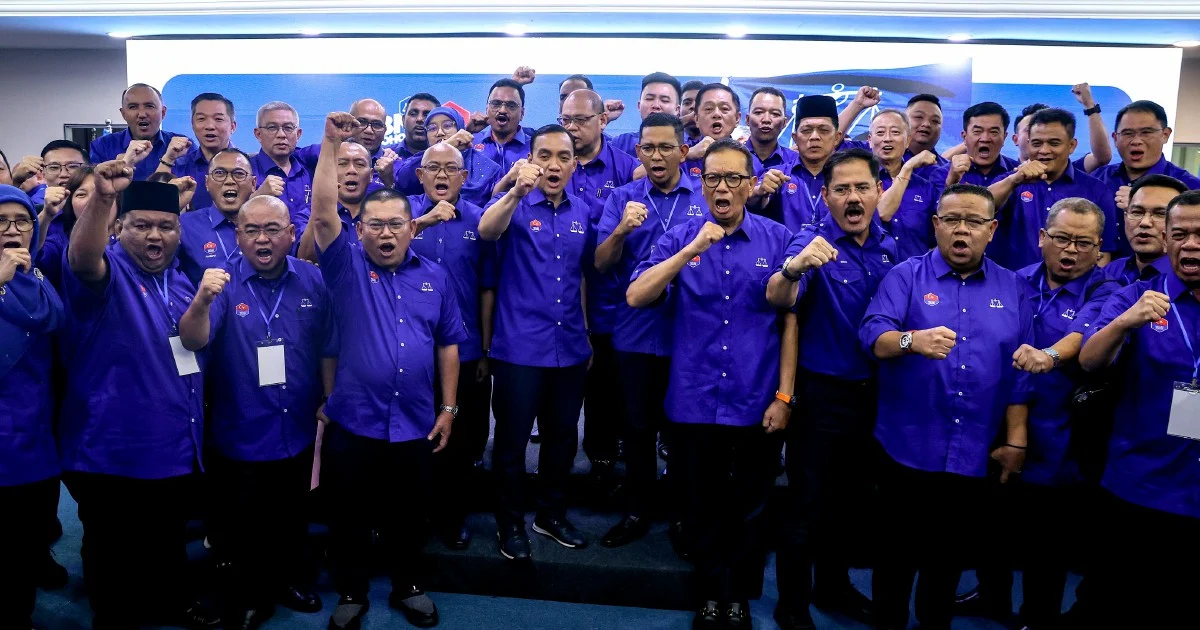
The prospect of an expanded electoral coalition in the Johor state elections has effectively evaporated with Barisan Nasional's decision to field candidates exclusively from within its existing membership. The unveiling of the BN slate in Johor Baru marks a decisive rejection of earlier speculation that Parti Wawasan Negara might secure representation within the barisan's ticket, effectively closing the door on a three-cornered cooperation involving BN, PAS, and Wawasan.
Wawasan, the newly established political party headed by prominent businessman Syed Mokhtar AlBukhary, had generated considerable discussion about potential electoral partnerships as various political factions assessed their positioning ahead of the state polls. The absence of any Wawasan figure on the BN candidate list signals that the coalition's leadership has prioritised maintaining the integrity of its traditional structure over pursuing wider alliances that might have promised incremental gains.
The decision carries particular significance for understanding BN's confidence in its own electoral machinery and voter appeal within Johor. By declining to accommodate Wawasan candidates within its slate, the coalition demonstrated that it views direct competition and consolidation of its core voter base as more strategically advantageous than the risks associated with integrating a newer political entity. This assessment reflects calculations about seat distribution, internal party dynamics, and the coalition's capacity to win sufficient seats without external partners.
For Wawasan, the outcome represents a setback in its ambitions to translate its financial resources and business-sector backing into political representation at the state level. The party had positioned itself as offering a fresh political alternative with roots in the corporate and entrepreneurial communities. The failure to secure even token representation within BN's framework suggests that established political players remain sceptical about the party's ability to deliver meaningful electoral support or represent a constituency distinct from those already served by existing parties.
The collapse of cooperation hopes also reflects the fluid nature of Malaysian political alignments, particularly at the state level where calculations about seat mathematics and regional interests often diverge from national-level considerations. Johor's political landscape is characterised by strong local interests and established power networks that exercise considerable autonomy from federal party structures. BN's decision to proceed alone indicates confidence that these networks remain intact and operational.
PAS's position in this configuration warrants examination, as the party has maintained its own political presence in Johor while also engaging with BN in certain contexts and competing independently in others. The exclusion of Wawasan from BN's ticket does not necessarily preclude PAS participation in the electoral contest, but it does suggest that the three-way arrangement discussed in political circles lacked sufficient foundation to proceed. Speculation about such alliances often reflects wishful thinking by political analysts rather than serious negotiations between party leadership.
For Malaysian voters in Johor, the finalised candidate slate clarifies the competitive landscape ahead of the election. Rather than confronting a fragmented opposition or complex coalition arrangements, the electorate will encounter a more traditional binary contest structure. This clarity may influence voter turnout and strategic voting calculations, though Johor's political history demonstrates that voter behaviour often defies simple categorisation based on candidate lists alone.
The BN decision also carries implications for how political observers assess Wawasan's trajectory as a political force. The party's inability to leverage its financial backing into formal coalition arrangements at the state level raises questions about whether its appeal extends beyond wealthy business circles into the broader voter constituency necessary for electoral success. Political viability ultimately depends on converting financial resources and media attention into ballot-box support, a transition that numerous new parties have found more challenging than anticipated.
Regionally, Johor's electoral dynamics remain significant for understanding broader Malaysian political trends. As the nation's southernmost peninsular state and the home base of UMNO's traditional power structures, Johor elections serve as important indicators of coalition strength and opposition credibility. The absence of Wawasan from this contest means one fewer variable in assessing the viability of new political entrants in Malaysian electoral politics.
The implications extending forward merit attention from political analysts across Southeast Asia, where questions about political fragmentation, coalition-building, and the role of business-backed political movements remain relevant. Malaysia's experience demonstrates that while new parties can generate initial excitement through charismatic leadership or fresh messaging, translating that initial interest into durable political institutions and electoral success requires sustained organisational effort and demonstrated voter appeal.
As the Johor campaign unfolds following BN's candidate announcement, observers will monitor whether the simplified electoral contest produces expected outcomes or whether Wawasan's exclusion from BN's coalition creates unexpected openings for opposition parties to broaden their appeal. The clarity provided by BN's decision removes speculation but simultaneously eliminates any possibility that Wawasan could shelter its candidates under the established coalition's extensive organisational and financial infrastructure.