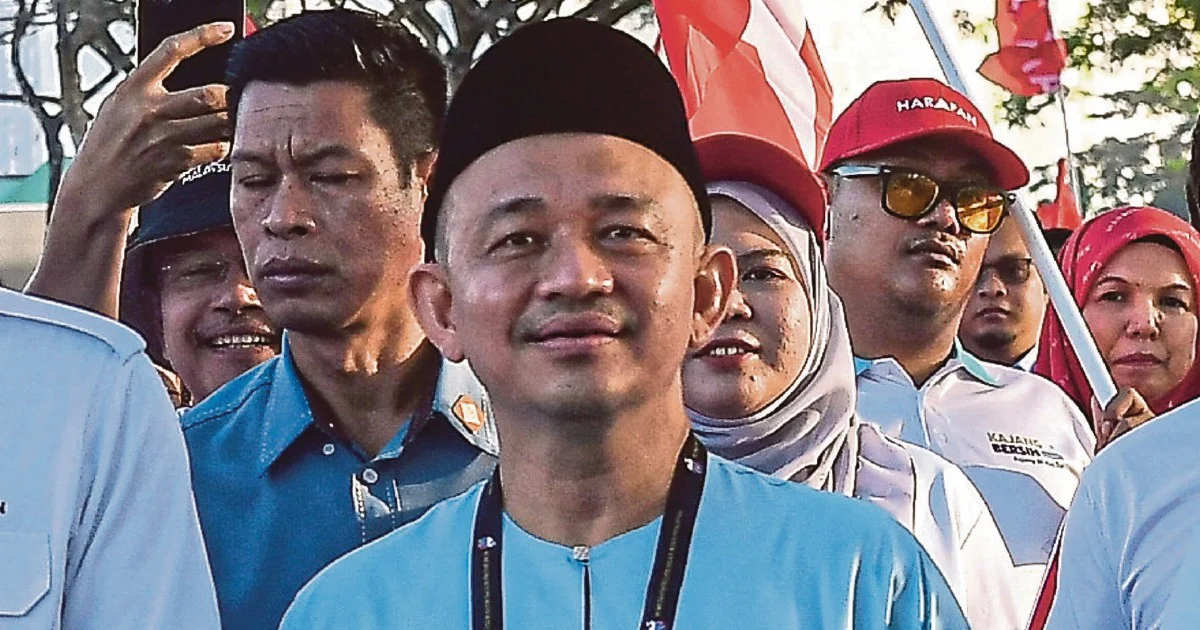
The Johor state election has become a focal point for competing visions of governance and development, with Pakatan Harapan positioning itself as an agent of transformative change. Former education minister Dr Maszlee Malik has articulated this vision clearly, arguing that electoral victories for the coalition at key constituencies including Puteri Wangsa would represent far more than routine political shifts. Instead, he frames such outcomes as pivotal moments that could fundamentally alter the trajectory of state development and public service delivery across Malaysia's southern heartland.
Johor occupies a strategically important position within Malaysia's political and economic landscape. As the nation's southernmost peninsula state and a major hub for manufacturing, logistics, and technology sectors, governance decisions made here reverberate throughout the broader region and influence investor confidence across Southeast Asia. The electoral contest therefore carries implications extending beyond state boundaries, affecting how regional development corridors function and how federal-state coordination operates within Malaysia's constitutional framework. Development priorities established following the election will shape infrastructure investment, environmental stewardship, and economic policy for years to come.
Dr Maszlee's emphasis on Puteri Wangsa specifically highlights the symbolic and practical importance of particular constituencies within the overall electoral calculus. Puteri Wangsa, located in the state capital region, represents urban constituencies where issues like housing affordability, public transportation, urban planning, and social services carry particular weight among voters. A victory here would signal public approval for Pakatan Harapan's proposed approaches to these urban challenges. Such a result could establish mandate for governance approaches that prioritise sustainable urban development and inclusive economic growth patterns.
The framing of an election victory as ushering in a "new chapter" reflects broader strategic messaging that emphasises discontinuity and fresh direction. This rhetorical approach suggests that previous governance arrangements have reached their limits or failed to adequately serve constituent interests. Pakatan Harapan's positioning implicitly critiques existing state-level governance structures and proposes alternative policy frameworks. For voters evaluating their choices, such messaging requires assessment of whether the coalition's specific proposals address tangible concerns affecting daily life—employment opportunities, educational facilities, healthcare access, housing costs, and environmental quality.
Electoral competition in Johor must be understood within Malaysia's complex multi-level governance system. State governments operate within federal constitutional parameters, with significant policy domains controlled at the federal level. However, state governments retain substantial autonomy over land policy, local government administration, state economic development strategies, and public service delivery mechanisms. The coalition therefore must clarify how state-level authority would be deployed to implement promised developmental initiatives and what partnership arrangements with the federal government would support such efforts.
Development narratives in Malaysian politics increasingly incorporate considerations of environmental sustainability, digital transformation, and inclusive growth. Pakatan Harapan's vision for Johor presumably incorporates positions on these contemporary challenges. Johor faces specific development pressures including rapid urbanisation in certain areas, industrial expansion affecting environmental conditions, infrastructure demands from growing population and economic activity, and skills development requirements for emerging technology sectors. Voters making electoral decisions increasingly expect clarity on how parties would address these multifaceted challenges rather than appealing solely to historical grievances or identity-based considerations.
The election also occurs within Johor's distinctive political history and social composition. The state has experienced varied governance arrangements and possesses deeply rooted political traditions that shape voter behaviour and expectations. Understanding how Pakatan Harapan's broader national political platform translates into locally-relevant priorities becomes essential for evaluating the coalition's electoral prospects and governance capacity should they achieve victory. Localising national political messages requires acknowledging regional specificities while maintaining coalition coherence.
Dr Maszlee's public engagement in this electoral contest reflects the ongoing relevance of high-profile political figures in shaping public discourse even when they do not directly contest elections. Former ministers and established political personalities retain considerable influence through media engagement and grassroots mobilisation efforts. Their articulation of party positions and visions for governance helps frame how ordinary voters conceptualise electoral choices. The credibility of such figures, based on their prior governmental experience and public standing, affects message reception and retention among diverse voter segments.
The outcome of the Johor election will likely influence subsequent political developments throughout Malaysia. Electoral results in significant state contests often reshape perceptions regarding party momentum, voter sentiment, and viability of different political coalitions. Success or failure in Johor affects not only immediate state governance but also positioning for federal-level political contests and inter-party dynamics within both Pakatan Harapan and opposition coalitions. Regional political observers and federal policymakers closely monitor state elections as indicators of shifting political alignment and public preferences.
For Malaysian voters and regional observers evaluating Johor's electoral choice, the critical consideration involves assessing whether specific policy proposals credibly address identifiable community challenges and whether proposed governance approaches align with stated values. Rhetorical appeals about "new chapters" and transformative change require substantiation through detailed policy positions, proven track records, and realistic implementation plans. The election represents an opportunity for voters to influence their state's developmental direction while contributing to broader conversations about effective governance and inclusive development across Malaysia.

