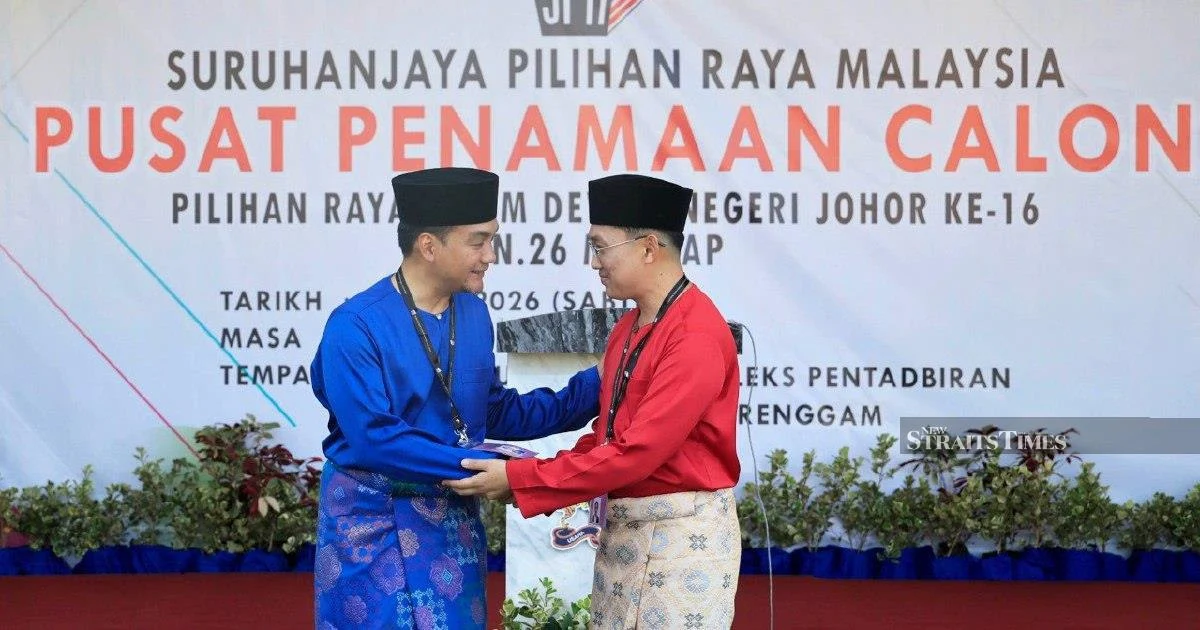
Caretaker Menteri Besar Datuk Onn Hafiz Ghazi has sounded a note of caution as the race for the Machap constituency intensifies, rejecting any suggestion that his re-election is assured. Speaking at Simpang Renggam ahead of the July 11 election, the senior Umno figure stressed that electoral contests retain an inherent unpredictability that campaigns must respect, cautioning his supporters against overconfidence during this critical phase.
The Johor state election represents a significant political moment for the peninsula's southern region, where Umno has traditionally maintained considerable influence. Onn Hafiz's comments reflect a broader awareness within the ruling coalition that complacency poses a genuine electoral risk, particularly as opposition parties mobilize their ground machinery across constituencies. His emphasis on the fluid nature of the contest suggests internal polling data may show tighter margins than public narratives sometimes suggest.
Machap has emerged as a focal point of the campaign, though its broader significance extends beyond a single state seat. As Menteri Besar, Onn Hafiz carries the responsibility of defending not only his personal mandate but also the credibility of Umno's state administration. Any slip in his own constituency would send powerful symbolic signals about the government's standing among voters, particularly given his prominent role in recent state affairs. The emphasis he places on competitive uncertainty underscores this recognition.
The caretaker status itself carries implications for campaign dynamics. During this transition period, government resources and machinery must technically remain neutral, a constraint that affects how effectively the ruling party can leverage administrative advantages. Opposition candidates are similarly freed from the burden of defending government records, allowing them to focus entirely on criticism and alternative visions. This levelling effect means traditional organizational superiority becomes less decisive than in normal circumstances.
Onn Hafiz's message to party supporters appears designed to maintain urgency and disciplined effort throughout the campaign period. In Malaysian electoral culture, such warnings from senior candidates often precede intensive ground operations, with party machinery interpreting cautionary language as a signal to intensify voter outreach and consolidate the base. His reference to unpredictability serves as both realistic assessment and tactical motivation.
The Johor election occurs within a broader context of Umno's efforts to stabilize its position following recent national developments. The party views state elections as opportunities to demonstrate its continued relevance and organizational capacity, particularly in traditional strongholds where it has governed for decades. A strong showing would validate the current leadership's direction, while setbacks would fuel internal questioning about strategy and messaging.
Opposition strategies in Machap likely capitalize on familiar lines of attack: allegations of governance shortcomings, comparisons with development in opposition-held states, and appeals to voters fatigued by long-incumbent administrations. The incumbent typically enjoys name recognition and administrative visibility advantages, but these prove insufficient against well-coordinated challenges when public sentiment shifts. Onn Hafiz's caution suggests he recognizes these vulnerabilities, particularly in constituencies with economically struggling areas where grievances may override traditional political loyalties.
The Machap constituency itself reflects demographic patterns common across Johor's mixed urban-rural divisions, where diverse voter interests and expectations complicate straightforward majoritarian predictions. Rapid urbanization in some areas coexists with traditional constituencies that remain demographically stable, creating constituencies where no single narrative comfortably encompasses all voters' concerns. This heterogeneity makes predicting outcomes genuinely difficult, validating the caretaker Menteri Besar's emphasis on uncertainty.
Timing carries additional significance here. July's monsoon season and school holidays create practical obstacles for campaigning, potentially affecting voter turnout and campaign intensity compared to other periods. Such logistical factors influence which parties' campaign machines prove most effective, adding another layer of unpredictability that candidates must navigate. Parties with better-developed grassroots networks and greater volunteer availability gain advantages during challenging campaign periods.
Onn Hafiz's public stance also communicates confidence tempered by strategic realism—a messaging balance that reassures supporters without breeding destructive overconfidence. In Malaysian politics, such calibrated statements from senior figures often carry more weight than bombastic declarations, signalling serious leadership. The caretaker Menteri Besar's willingness to acknowledge competitive challenge without conceding likely outcomes positions him favourably among voters who increasingly distrust politicians appearing dismissive of opposition or overly assured of victory.
As polling day approaches, the intensity of campaign efforts will likely escalate across Machap and other contested constituencies, with both ruling and opposition coalitions deploying resources strategically. Onn Hafiz's warnings function as both internal party messaging and broader public communication, establishing reasonable expectations while maintaining pressure on supporters to sustain effort. The July 11 election will ultimately determine whether his caution reflected genuine competitive concern or tactical posturing—but his reluctance to declare predetermined outcomes at least respects the genuine unpredictability that characterizes Malaysian electoral contests.

