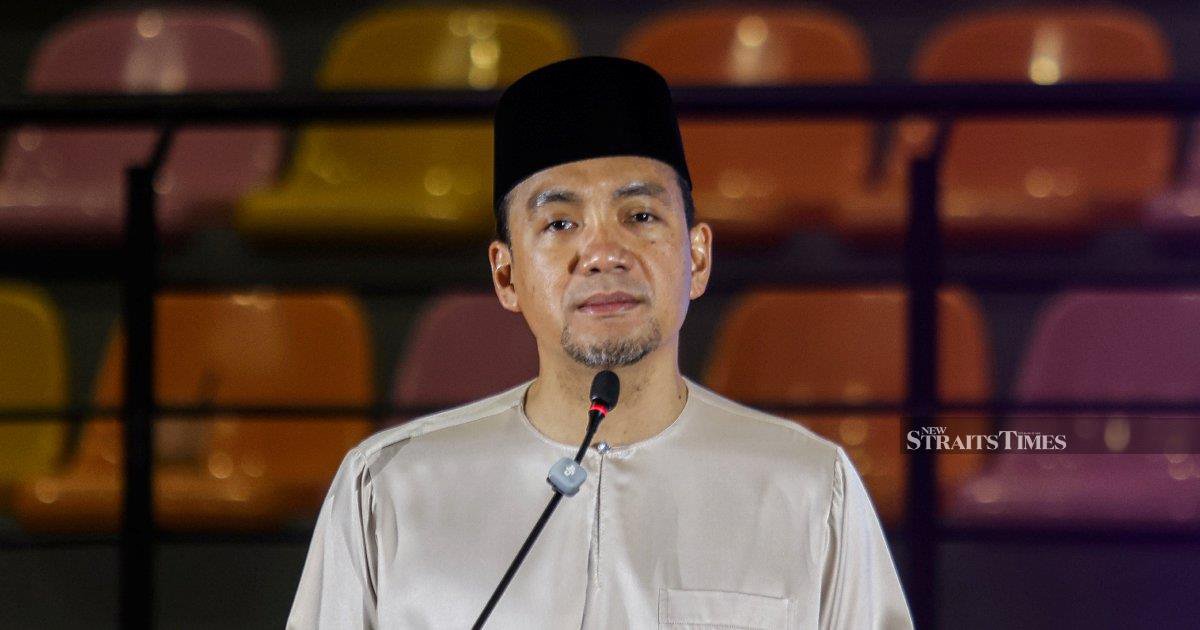
The Johor government has launched an official investigation into Network School following public allegations that the institution maintains connections to Israeli interests, signalling a firm stance on protecting the state's ideological boundaries and national sovereignty. The probe reflects growing concerns among state administrators about educational organisations operating in Johor and their potential alignment with external political agendas that may conflict with Malaysian values and constitutional principles.
The state leadership has made clear that no entity—regardless of its institutional standing—will be permitted to utilise Johor's territory as a platform for advancing ideologies deemed inconsistent with Malaysian law, the nation's sovereign interests, or the state's own policy framework. This position underscores the government's commitment to maintaining strict oversight of organisations, particularly those in the education sector, where ideological influence carries particular weight given their access to young people during formative years.
Network School's alleged connections have triggered broader questions about the institutional controls governing international educational providers operating across Malaysia. The investigation will examine the school's governance structures, funding sources, curriculum content, and any organisational ties that might suggest external influence. Such scrutiny reflects a pattern seen across Southeast Asia, where governments increasingly scrutinise foreign-linked institutions amid concerns about soft power and cultural influence.
The Johor government's assertive response carries significant implications for international schools and educational institutions throughout the state. Educational bodies with overseas connections or international governance structures may face heightened regulatory review, potentially establishing new procedural requirements for transparency and local oversight. This development aligns with Malaysia's broader approach to maintaining cultural and ideological coherence while remaining engaged with the international community.
For Malaysian parents evaluating educational options in Johor, these investigations represent an important signal about state oversight mechanisms. While international schools have traditionally attracted families seeking exposure to global curricula and English-language instruction, the current political environment suggests that such institutions will face more rigorous examination regarding their institutional values and international relationships. Prospective families may need to carefully evaluate school governance and funding structures before enrollment.
The case also reflects heightened sensitivities surrounding Israel-related matters in Malaysia, where public opinion maintains strong pro-Palestinian positions and where any perception of Israeli institutional influence provokes significant concern. Educational institutions, given their cultural importance in shaping national identity and values, become particular focal points for such scrutiny. The government's intervention demonstrates that concerns about foreign ideological penetration extend beyond diplomatic channels into civil society institutions.
These investigations contribute to an evolving regulatory environment for educational institutions in Malaysia more broadly. The case demonstrates that schools cannot insulate themselves from accountability regarding their international connections or assume that educational credentials alone provide protection from state oversight. Transparency about funding sources, governance structures, and institutional relationships has become a prerequisite for operating without regulatory interference.
The implications extend beyond Network School itself. Other international educational providers in Johor will likely assess their own institutional connections and governance arrangements, anticipating similar scrutiny. International boards, foreign funding sources, or connections to entities that Malaysia views with suspicion may become liabilities rather than assets. Educational institutions may need to increase the proportion of Malaysian governance, staffing, and funding to demonstrate alignment with state interests.
For the regional education sector, Johor's action signals that Southeast Asian governments are increasingly willing to intervene in educational governance when institutional relationships raise concerns. This trend reflects broader anxieties about foreign influence in shaping regional values and priorities. International educational providers considering expansion in Malaysia will need to navigate a complex regulatory environment where educational excellence must be balanced against political sensitivities and national interest concerns.
The investigation also raises questions about consistency in enforcement. Malaysia hosts numerous international institutions with varying levels of overseas connection. The government's approach to Network School will likely inform expectations about how similar institutions will be treated, potentially creating pressure for more uniform regulatory standards across the educational sector. Clarity regarding acceptable institutional relationships and governance structures would provide helpful guidance to international educators planning operations in Malaysia.
Moving forward, the outcomes of this investigation will establish important precedents for how Johor—and potentially other Malaysian states—balance openness to international educational expertise with protection of national interests and ideological boundaries. The case demonstrates that even well-established educational institutions cannot assume immunity from political scrutiny when international relationships trigger state concerns. Malaysian policymakers appear determined to ensure that educational institutions serve primarily Malaysian interests and values, regardless of their international standing or academic credentials.

