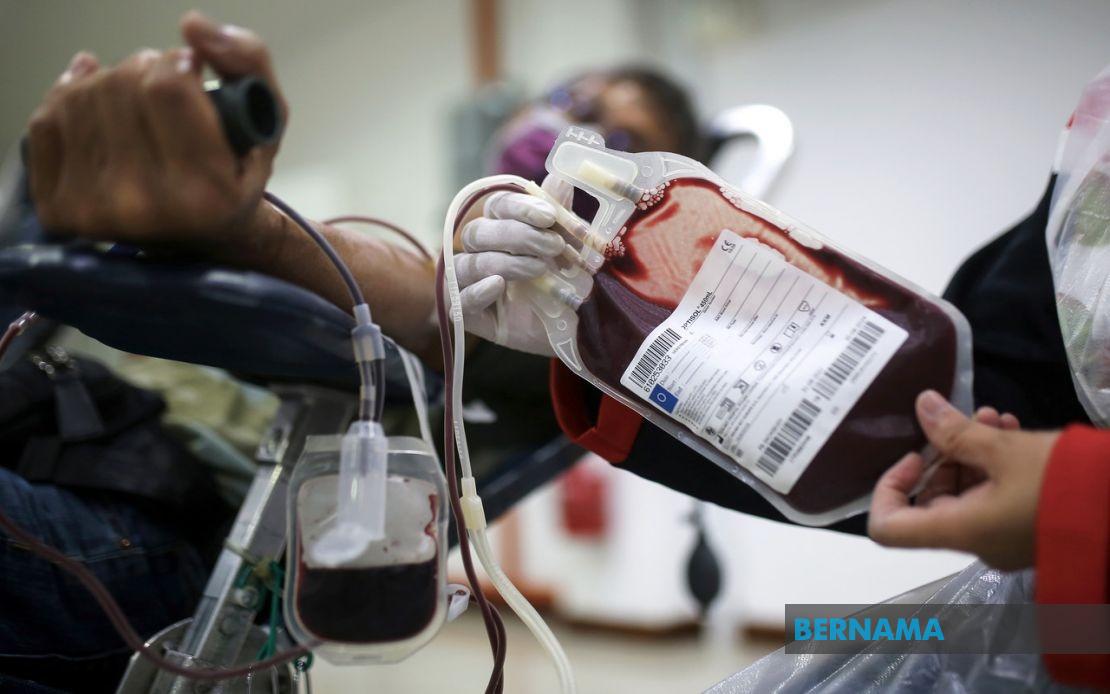
Hospital Sultanah Aminah (HSA) in Johor Bahru has sounded the alarm over critically low supplies of type O and AB blood, prompting an urgent public call for donors to come forward. The hospital's Transfusion Medicine Department disclosed the shortage through a social media announcement, underscoring the pressing need to replenish reserves that have fallen below adequate levels for patient care. Both blood types represent a significant portion of Malaysia's blood supply requirements, making shortages particularly concerning for emergency operations and routine medical procedures alike.
The timing of this appeal reflects a broader challenge facing Malaysian blood banks, where seasonal fluctuations and inconsistent donor participation often create supply bottlenecks. Type O blood, known as the universal donor, and type AB, the universal recipient, are perennially in high demand across the healthcare system. When stocks diminish, hospitals must implement strict protocols limiting non-emergency transfusions and postponing elective procedures, creating potential ripple effects across patient treatment schedules. HSA's public plea demonstrates how acute these pressures can become, even in major urban medical centres serving a significant population base.
To facilitate donor participation, HSA has established multiple convenient collection points across Johor Bahru for the current week. The Johor Blood Donation Centre at Mid Valley Southkey is operating from today through Sunday between 10 am and 6.30 pm, offering extended hours to accommodate working individuals and families. Simultaneously, AEON Mall Bukit Indah is hosting donation drives across the same three-day period with slightly shorter operating hours from 10 am to 3 pm, bringing the service directly to shopping centres where foot traffic is naturally high. Additionally, HSA's own Blood Donation Centre maintains operations today and tomorrow from 8 am to 4.30 pm, ensuring hospital staff and nearby residents have easy access to donate.
Potential donors can access detailed scheduling information through the Johor Bahru Blood Donation Campaign Schedule page, which lists all forthcoming drives and their specific locations across the state. This multi-platform approach—combining the hospital's official channels with community centre accessibility—aims to lower barriers for those willing to contribute. The strategy recognises that donation patterns vary considerably depending on convenience and location, with mall-based drives typically attracting spontaneous donors whilst dedicated centres appeal to committed repeat donors with established routines.
The situation in Johor Bahru reflects national supply chain vulnerabilities that persist despite Malaysia's established blood donation infrastructure. The country depends heavily on voluntary donors to meet transfusion demands, creating an inherent fragility when participation rates fluctuate. Summer months and festive seasons often see reduced donations as people travel or alter their routines, whilst medical emergencies and seasonal illness spikes simultaneously increase demand. This mismatch places extraordinary pressure on hospital transfusion services tasked with maintaining safe inventory levels.
Type O blood holds particular significance because it lacks A and B antigens, allowing it to be transfused to recipients with any blood type during emergencies when patient blood types remain unknown. Hospitals therefore maintain substantially higher type O reserves than other types, making shortages of this category especially disruptive. Type AB blood, conversely, can only be given to AB recipients but represents approximately 3-4 per cent of the Malaysian population, creating a smaller but equally critical donor pool that demands targeted recruitment efforts.
HSA's proactive communication strategy seeks to convert public awareness into immediate action. By publicising specific venues, exact operating hours, and multiple collection points simultaneously, the hospital removes common excuses preventing donation participation. The combination of weekend availability at shopping malls, weekday morning access at dedicated centres, and extended evening hours at commercial locations theoretically accommodates virtually all working schedules and personal preferences. This operational diversity represents best practice in blood bank management, treating donor convenience as integral to supply security.
For Malaysian healthcare workers and patients, understanding blood supply vulnerabilities carries practical implications. Families facing elective surgical procedures should discuss scheduling during months when blood stocks remain robust, whilst emergency service planners must account for potential transfusion delays during peak demand periods. Public health officials increasingly recognise that blood security depends fundamentally on community engagement and donor education, positioning voluntary contributions as essential infrastructure rather than mere charitable activity.
The Johor appeal also highlights emerging demographic challenges affecting donor availability across Southeast Asia. Aging populations, changing lifestyle patterns, and competing social demands have gradually reduced the proportion of eligible donors regularly participating in collection programmes. Malaysia's blood banking system, like those throughout the region, must therefore invest continuously in recruitment campaigns, donor retention strategies, and public education initiatives to maintain adequate supplies. HSA's current appeal represents one component of this larger institutional effort to sustain transfusion medicine capacity alongside growing demand from an expanding and aging patient population.

