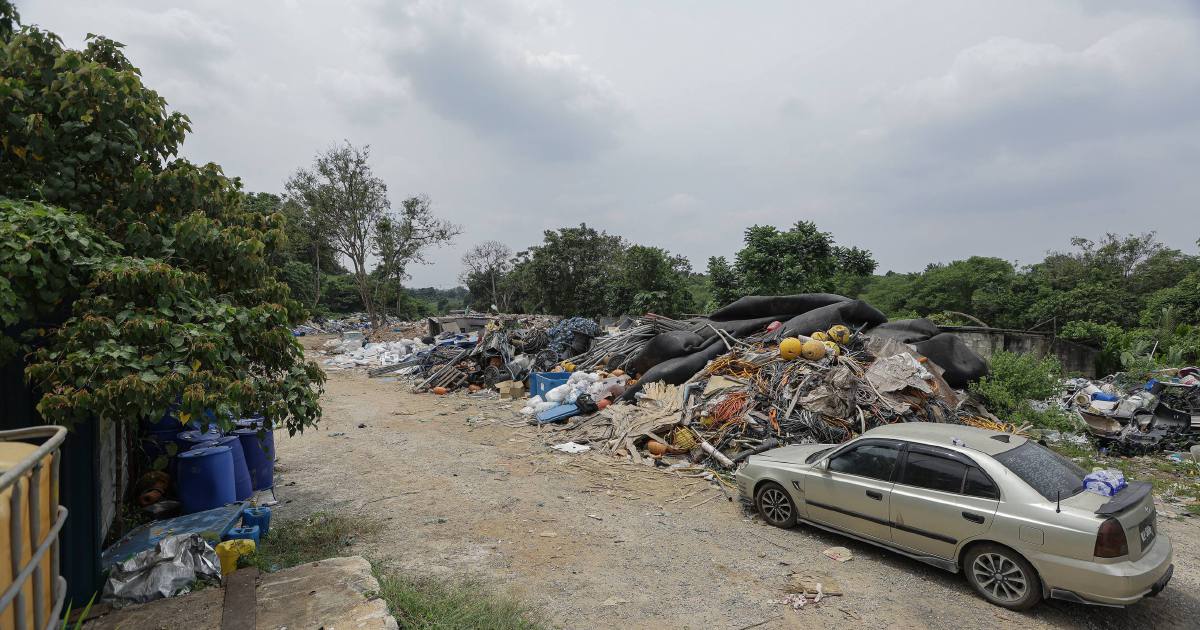
Johor state authorities are moving decisively to address environmental concerns by establishing a coordinated task force aimed at thoroughly examining allegations that construction waste originating from Singapore has been disposed of illegally across several Pontian locations. The formation of this multi-agency investigative body marks a significant escalation in official response to what regional observers suggest could represent a systematic cross-border waste management issue affecting the state's environmental integrity.
The establishment of such an inter-departmental unit reflects mounting pressure on Johor officials to enforce stricter environmental controls along the busy Singapore-Malaysia border, where regulatory gaps and enforcement challenges have historically created opportunities for waste trafficking. Construction waste dumping operations, if substantiated, would represent a breach of both Malaysian and Singapore waste management protocols, potentially indicating organised disposal arrangements that circumvent proper waste handling channels in both jurisdictions.
Pontian, located in southern Johor near Singapore, has emerged as a focal point for environmental complaints and regulatory scrutiny in recent years. The district's geographic proximity to Singapore, combined with its relatively developed infrastructure and industrial zones, has made it both accessible for illicit waste operations and vulnerable to cross-border environmental pressures. The presence of multiple reported dumping locations suggests this may not constitute isolated incidents but rather point to established patterns requiring systematic investigation.
The task force composition will likely include representatives from Johor's environmental department, local municipal authorities, police environmental crime units, and possibly federal-level agencies responsible for waste management oversight. Such collaboration becomes essential when investigating cross-border environmental violations, as coordination ensures investigators can access relevant documentation, inspect sites comprehensively, and establish liability chains that might span both Malaysian and Singapore operations.
Investigators will need to determine several critical factors, including the origin points of construction materials, the identities of entities responsible for transportation and disposal, whether proper permits and waste management licenses existed for any treatment or deposit activities, and the environmental impact already inflicted upon Pontian's soil and groundwater resources. Establishing these details proves particularly challenging in cross-border scenarios where documentation may be scattered across multiple regulatory frameworks and jurisdictions.
The investigation gains additional urgency given Malaysia's ongoing efforts to strengthen environmental enforcement and reduce reliance on landfills and unregulated disposal sites. Construction waste represents one of Asia's fastest-growing waste streams, and neighbouring Singapore's space constraints and stringent environmental standards have historically created economic incentives for alternative disposal arrangements, some of questionable legality.
Beyond immediate environmental remediation, the inquiry carries implications for Malaysia-Singapore bilateral relations and demonstrates Johor's commitment to preventing its territory from becoming a repository for another nation's waste. Such incidents, if unaddressed, can generate diplomatic friction and undermine public confidence in environmental governance. Officials will likely coordinate with Singapore authorities to determine whether licensed waste operators on the island had authorised these disposal operations, or whether smuggling operations circumvented official channels entirely.
The timing of this task force formation also reflects broader Southeast Asian trends toward stricter environmental accountability. Countries throughout the region have recently tightened regulations following years of inadequate waste import controls, and Malaysia has positioned itself as increasingly vigilant against becoming a receptacle for regional waste. This investigation sends a signal to both legitimate waste management companies and illicit operators that Johor will not tolerate unauthorised dumping regardless of the waste's geographic origin.
Local communities in Pontian, many of whom reported observations leading to these allegations, will likely expect visible progress and transparent communication regarding investigation findings. Environmental trust deficits, once established, prove difficult to remedy, and demonstrating effective state response becomes important for maintaining public confidence in regulatory institutions. The task force's ability to deliver concrete results and accountability will substantially influence perceptions of environmental governance effectiveness in the southern corridor.
The investigation's findings may also prompt reviews of existing cross-border waste management agreements, import protocols, and enforcement mechanisms. If construction waste from Singapore was indeed entering Johor through inadequately monitored channels, authorities will need to identify specific regulatory gaps and implementation failures. Such reviews could contribute to revised bilateral procedures that strengthen environmental screening at entry points and improve documentation requirements for waste material movements.
Stakeholders across Malaysia's waste management sector will monitor this investigation closely, as outcomes could influence future licensing decisions, operational oversight, and regulatory expectations. Companies engaged in legitimate cross-border waste trade will likely welcome thorough investigations that distinguish them from illicit operators and establish credible enforcement frameworks. The task force's success in distinguishing authorised operations from smuggling schemes becomes crucial for maintaining market confidence in regulated waste management industries.
As investigations progress, Johor authorities face the challenge of balancing thorough examination of each dumping location against timeline pressures for identifying responsible parties and initiating remediation. Environmental damage assessment will determine cleanup costs and whether compensation claims can be pursued. The multi-agency approach adopted provides necessary investigative breadth, though effective coordination will determine whether this initiative translates into enforcement actions and environmental restoration.

