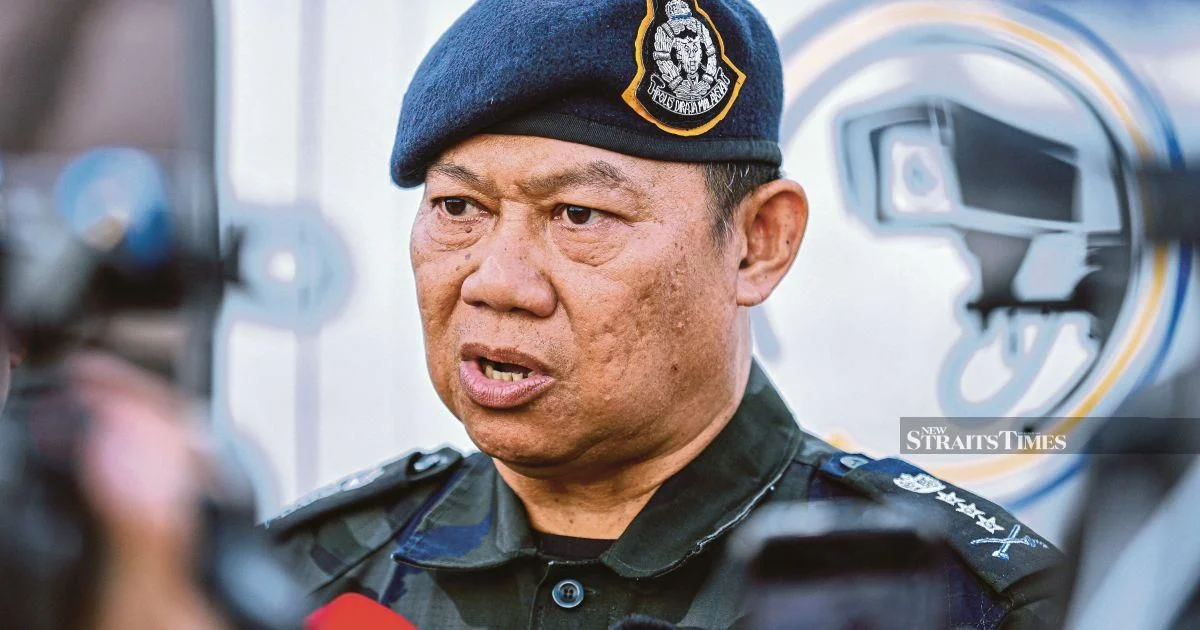
Johor police have begun formal investigations into three separate election-related matters arising from complaints received following nomination day, underscoring the authorities' commitment to maintaining electoral integrity during the polling period. The other four reports are still being assessed to determine whether they warrant the opening of investigation papers.
The move reflects heightened vigilance by law enforcement in the southern state during what has traditionally been a sensitive period in Malaysia's electoral calendar. Nomination day marks the official commencement of the campaign period, and election authorities and police forces typically intensify their monitoring efforts to ensure compliance with electoral laws and prevent irregularities that could undermine the democratic process.
In Malaysian elections, various categories of complaints can trigger police investigations, ranging from alleged breaches of campaign financing regulations and illegal campaigning to reports of voter intimidation or threats against candidates and party workers. The nature of the three cases under investigation in Johor has not been disclosed, though the authorities' decision to pursue formal papers suggests they contain sufficient prima facie evidence of potential criminal conduct to warrant further scrutiny.
Johor, the southernmost peninsula state and home to Malaysia's second-largest metropolitan area, has historically played a significant role in national electoral outcomes. The state's voting patterns often provide early indicators of broader political trends, making it a closely watched jurisdiction during general elections and state-level polls. The election watchfulness demonstrated by Johor police reflects the state's electoral importance and the concentration of administrative resources dedicated to managing voting processes.
The four remaining reports are currently undergoing the preliminary filtering process that is standard practice in Malaysian law enforcement. During this assessment phase, officers evaluate whether allegations possess sufficient substance to proceed with formal investigation papers, or whether they can be resolved through administrative warnings or classified as groundless complaints. This initial screening mechanism helps authorities allocate investigative resources efficiently while ensuring that only credible accusations receive full investigative attention.
Election-related investigations in Malaysia typically fall under multiple legislative frameworks. The Penal Code contains provisions addressing electoral offences, while the Elections Act 1958 and state electoral enactments provide specific regulations governing campaign conduct, candidate behaviour, and voter interaction. Additionally, the Communications and Multimedia Act 1998 has increasingly been employed in recent election cycles to investigate complaints regarding online campaign content and social media conduct by candidates and party supporters.
The authorities' approach of opening investigation papers reflects Malaysia's structured investigation process, wherein reports are converted into formal cases only when preliminary assessment indicates sufficient grounds exist. This threshold-based system means that of the seven complaints received in Johor, the decision to investigate three suggests those cases demonstrated concrete indicators of alleged violations, while the remaining four may have been inconclusive or require additional information before proceeding.
For Malaysian voters and political stakeholders, such police activity during election periods serves multiple purposes. On one hand, it demonstrates law enforcement's active role in preserving electoral fairness and protecting voters from unlawful campaign tactics. On the other hand, it creates a framework within which legitimate political activities can be conducted safely, as long as they comply with established electoral and campaign regulations. The balance between these considerations remains an ongoing point of discussion among election observers and civil society organisations.
Election monitoring in Johor occurs within a broader Southeast Asian context where maintaining public confidence in electoral processes has become increasingly important. Countries across the region have grappled with challenges ranging from disinformation campaigns to coordination problems between election management bodies and law enforcement. Malaysia's multi-layered approach involving police investigations, the Election Commission, and anti-corruption agencies represents one model for managing these concerns, though observers continue to debate its effectiveness and the pace of action taken on various allegations.
The timing of these investigation papers, emanating from nomination day onwards, indicates that the police are acting swiftly to address complaints during the campaign phase rather than waiting until voting concludes. This proactive stance potentially allows investigators to gather evidence while campaign activities are ongoing and witness memories remain fresh. However, it also means that campaign activities may be disrupted by police questioning, which has occasionally sparked debates about proportionality and the potential for investigations to be weaponised against particular candidates or parties.
As Johor moves forward through the election cycle, the number of complaints and investigation papers may continue to rise or stabilise depending on the intensity of campaign activities and public vigilance. Election observers typically expect spikes in complaints during peak campaign periods when candidate activities reach peak levels and voter engagement intensifies. The initial seven reports from Johor suggest ordinary electoral scrutiny levels, though this may escalate as polling day approaches and campaign rhetoric intensifies.
The Johor police's investigation activities will likely be monitored closely by political parties, election watchdog organisations, and international observers who assess Malaysia's electoral management. The transparency with which investigations are conducted and outcomes communicated contributes significantly to public perception of electoral fairness. Questions around the timeliness of investigations, the evidence standards applied, and the consistency of enforcement across different political parties and regions remain central to broader conversations about Malaysia's electoral credibility.

