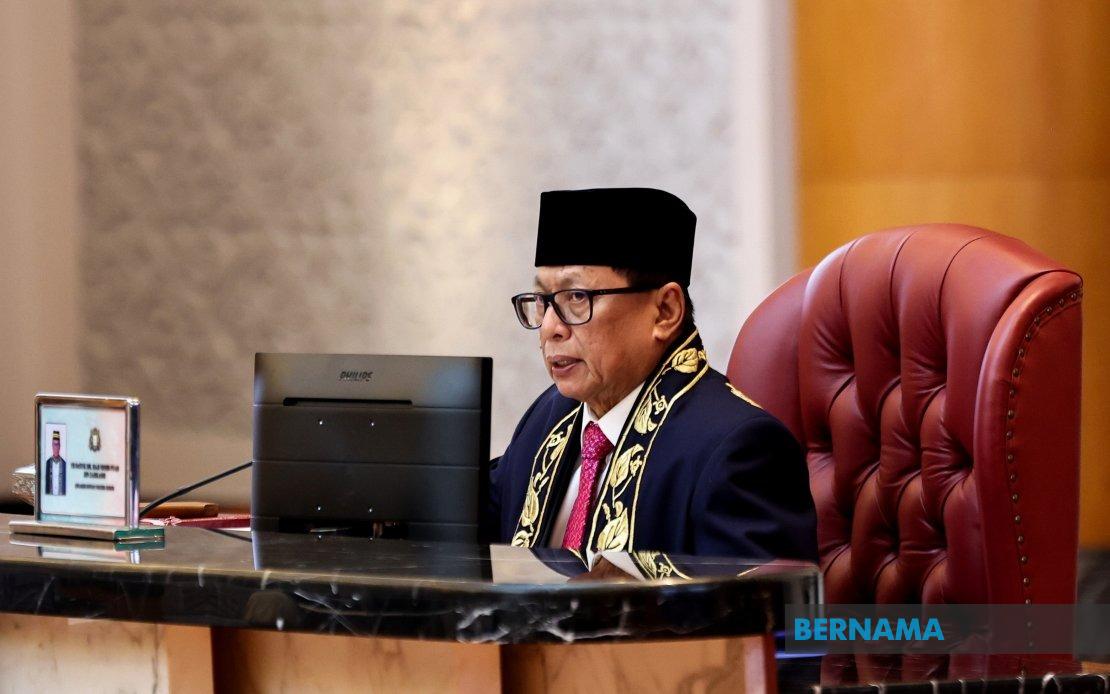
Datuk Dr Mohd Puad Zarkashi, the incumbent assemblyman for Rengit and speaker of the Johor State Legislative Assembly, has announced that he will not seek re-election when Johor voters head to the polls on July 11. The 69-year-old legislator made the declaration public on June 17, confirming a decision he said he had made around a year prior and communicated to UMNO leadership earlier in the month.
The timing of Mohd Puad's withdrawal comes at a critical juncture for Johor's ruling coalition. His decision to step back was communicated to UMNO president Datuk Seri Dr Ahmad Zahid Hamidi and Johor UMNO chairman Datuk Onn Hafiz Ghazi approximately two weeks before the public announcement, signalling that his exit has been coordinated within party ranks. This measured approach suggests careful succession planning rather than an impulsive departure from electoral politics.
Age represents the primary rationale behind Mohd Puad's choice to relinquish his seat. At 69, the speaker projected that he would reach 74 years old within a five-year term, a prospect he deemed incompatible with the demands of parliamentary service. His reasoning reflects broader discussions within Malaysian politics about generational succession and the renewal of leadership structures, particularly as some political figures voluntarily make space for emerging talent rather than clinging to power until electoral defeat.
The outgoing legislator went further than simply announcing his retirement, articulating a broader philosophical position on candidate selection. He advocated strenuously for prioritising candidates aged 50 and below, emphasizing that such a threshold would energize state governance and align political representation more closely with the demographic profile of voters. This positioning establishes Mohd Puad as supporting structural renewal within UMNO and the coalition, rather than perceiving his departure as a loss or concession.
In a strategic statement, Mohd Puad endorsed Datuk Onn Hafiz Ghazi's leadership of a younger contingent as the pathway for continuing Johor's administrative continuity under coalition governance. By framing his departure as enabling Onn Hafiz to lead a rejuvenated slate of candidates, Mohd Puad presented his withdrawal not as a personal setback but as a deliberate contribution to party renewal. This framing carries implications for how UMNO and its coalition partners will navigate succession questions across other state and federal constituencies.
Beyond matters of age and succession, Mohd Puad outlined specific competencies he believes future candidates must demonstrate. Educational attainment, moral integrity, genuine commitment to political struggle, and comprehension of national strategic direction emerged as his proposed criteria for candidate selection. These qualities suggest a vision of governance emphasising substantive capability and ideological coherence rather than mere electoral viability, positioning the forthcoming election as an opportunity to upgrade legislative calibre.
Rengit itself has been secure territory for UMNO and the ruling coalition, with Mohd Puad securing a 1,920-vote majority during the 2022 state election. The seat's comfortable margin affords the coalition significant latitude in selecting a replacement candidate without facing competitive peril. This security permits the party to prioritize the generational and quality criteria Mohd Puad articulated rather than scrambling to parachute in heavyweight figures.
The electoral calendar remains compressed, with nomination day falling on June 27, merely ten days after Mohd Puad's announcement. This narrow timeframe requires the Johor UMNO machinery to rapidly identify and vet candidates meeting both Mohd Puad's advocated standards and the coalition's electoral requirements. The brevity of the period leaves minimal room for extended deliberation or contentious internal candidacy competitions.
Mohd Puad's acknowledgment of his parliamentary obligations underscores that he intends to discharge his duties fully until nomination day arrives. Rather than becoming a lame duck, the outgoing speaker committed to resolving outstanding matters requiring his attention, suggesting a professional approach to his final weeks in office. This stance contrasts with scenarios where departing politicians disengage prematurely from their responsibilities.
The speaker's gratitude toward the Rengit electorate and his expressions of appreciation toward Sultan Ibrahim, King of Malaysia, for consenting to his appointment as speaker, reflected the traditional courtesies and hierarchies embedded within Malaysia's constitutional monarchy and political culture. Such acknowledgments reinforce respect for institutional relationships and the monarch's constitutional role in approving legislative officers.
Mohd Puad's departure carries broader implications for Malaysian state politics. His willingness to voluntarily step aside and publicly advocate for younger candidates provides a template for how established politicians might gracefully facilitate generational transitions. Within Johor specifically, his decision could influence how other UMNO-aligned legislators approach succession questions in future electoral cycles, potentially shaping the character of state assembly representation over coming years. The emphasis on candidate quality and ideological commitment rather than factional loyalty may also resonate within coalition deliberations over other contested seats where succession questions loom.