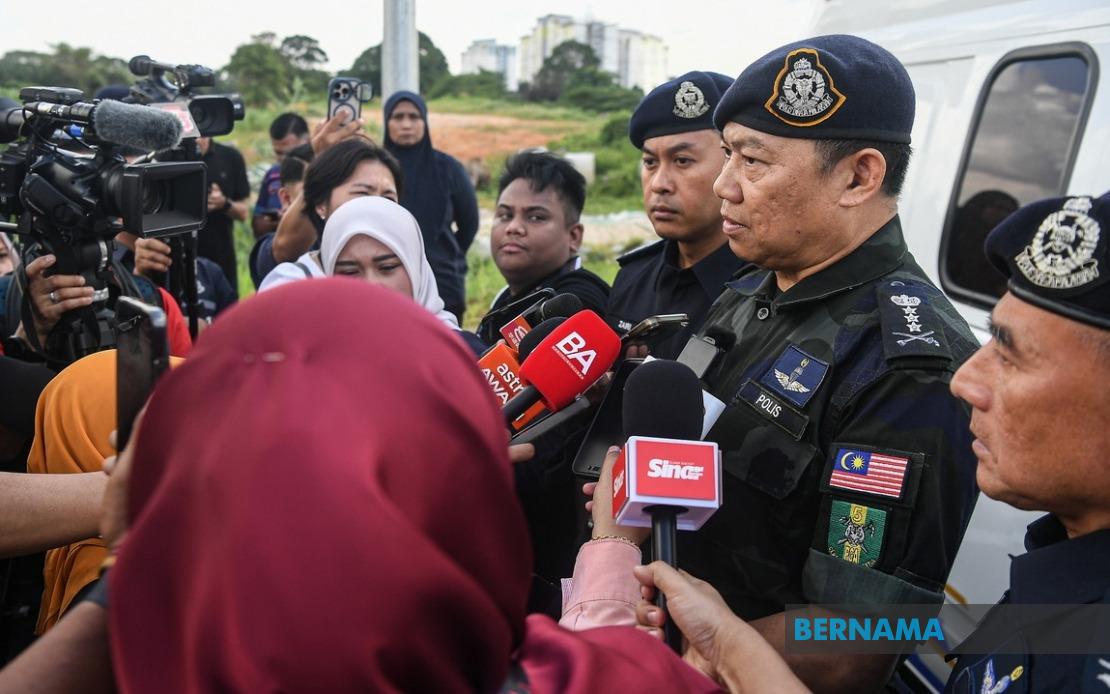
The nomination process for Johor's 16th state election unfolded without incident on Wednesday, with all 56 nomination centres operating smoothly throughout the day as candidates formally registered for the forthcoming ballot. The seamless administration reflected weeks of planning and coordination between the Election Commission and law enforcement agencies ahead of what is shaping up to be a keenly contested state-level contest in Malaysia's southern heartland.
Johor police chief Datuk Ab Rahaman Arsad confirmed that no significant disruptions or security concerns had emerged during the day's proceedings, a reassuring sign for both electoral officials and the public as the state moves toward its July 11 polling day. The absence of major incidents underscores the professionalism of both candidates and their supporters in respecting the electoral process, though the extensive security presence appears to have played a deterrent role. With nomination day now complete, the campaign phase has effectively begun, setting the stage for two weeks of political activity across the state's constituencies.
The scale of the police operation deployed to safeguard the nomination process was substantial, with 4,832 officers and personnel stationed across Johor throughout the day. This deployment represented a significant commitment of resources, reflecting the importance authorities placed on maintaining public order during this critical juncture in the electoral calendar. The visible police presence at nomination centres, including observers positioned at locations such as Sekolah Menengah Kebangsaan Bandar Dato Onn where the Puteri Wangsa seat nomination took place, sent a clear message that electoral integrity would be protected and any potential troublemakers would face swift consequences.
Already, the Election Commission has approved 26 campaign permits statewide, with more expected to be issued as the official campaign period gains momentum. These permits govern the conduct of political gatherings, roadshows, and other campaign activities, ensuring that campaigning takes place within defined legal parameters. For Malaysian readers familiar with previous state elections, this administrative groundwork reflects the refined procedures that have become standard in recent electoral cycles, balancing the right of parties to campaign vigorously with the need to protect public safety and prevent electoral misconduct.
Datuk Ab Rahaman's public reminders to all political parties and candidates carried particular weight coming immediately after nomination day, establishing clear expectations for the campaign period ahead. His emphasis on responsible campaigning and strict compliance with election laws and regulations reflected an awareness that the transition from nomination to campaigning can sometimes witness intensified partisan activity. The police chief's warning against actions that could threaten public order was not merely procedural rhetoric but a substantive signal of zero tolerance for any breaches that might jeopardise the integrity of the electoral process or endanger public safety.
The Election Commission's timeline for the remaining phases of the election demonstrates efficient administrative management of the entire process. The establishment of July 7 as early voting day provides flexibility for those unable to vote on the main polling day, an innovation that has gradually been adopted across Malaysian electoral contests. July 11 polling day itself represents the culmination of the electoral exercise, when Johor voters will determine the composition of their state assembly and, consequently, the direction of state governance for the coming term.
For Johor, a state that has experienced significant political dynamics in recent years, this 16th state election carries particular significance. The state's electoral landscape has witnessed considerable flux, with shifting coalitions and changing voter preferences reshaping the political map. The smooth conduct of the nomination process suggests that, whatever the underlying political tensions or rivalries among contesting parties, there remains a shared commitment to orderly democratic procedures. This distinction between partisan competition and institutional respect is crucial for sustaining public confidence in electoral systems across Southeast Asia.
The absence of incidents on nomination day also reflects maturation in Malaysian electoral culture more broadly. Previous state and federal elections have occasionally witnessed disruptions or confrontations at nomination centres, but the trend in recent years has been toward increasingly orderly and professionalised conduct. This improvement owes much to better coordination between election management bodies and law enforcement, clearer communication of rules to candidates and their agents, and growing recognition among political parties that electoral legitimacy depends partly on the manner in which elections are conducted.
Looking ahead to the campaign period, the police's stated preparedness to handle any situation carries credibility given the robust deployment and the clear communication of expectations that has already been established. The twin imperatives facing authorities during the coming two weeks will be maintaining security and public order while simultaneously protecting the democratic space necessary for genuine political competition and voter choice. The smooth nomination day has established a positive foundation for achieving this balance throughout the campaign phase.

