The submission of nomination papers for Johor's 16th state election came to an end this morning when all 56 polling and voting centres closed their doors at 10am sharp. Returning officers across the state simultaneously halted the registration process after a one-hour window that began at 9am, formally concluding the first critical stage of the electoral exercise. The completion of nominations marks a significant milestone, as attention now shifts to the Election Commission's verification of candidate eligibility and the confirmation of how many aspirants are seeking each of the state's seats.
With nominations now finalised, the campaign period—a carefully regulated 14-day stretch stipulated by the Election Commission—will commence immediately and continue until 11.59pm on July 10. This timeframe represents the official interval during which political parties and independent candidates can actively canvass for voter support before Malaysians head to the polls. The compressed campaign duration is typical for state-level elections in Malaysia, providing candidates with sufficient time to reach voters while maintaining electoral efficiency.
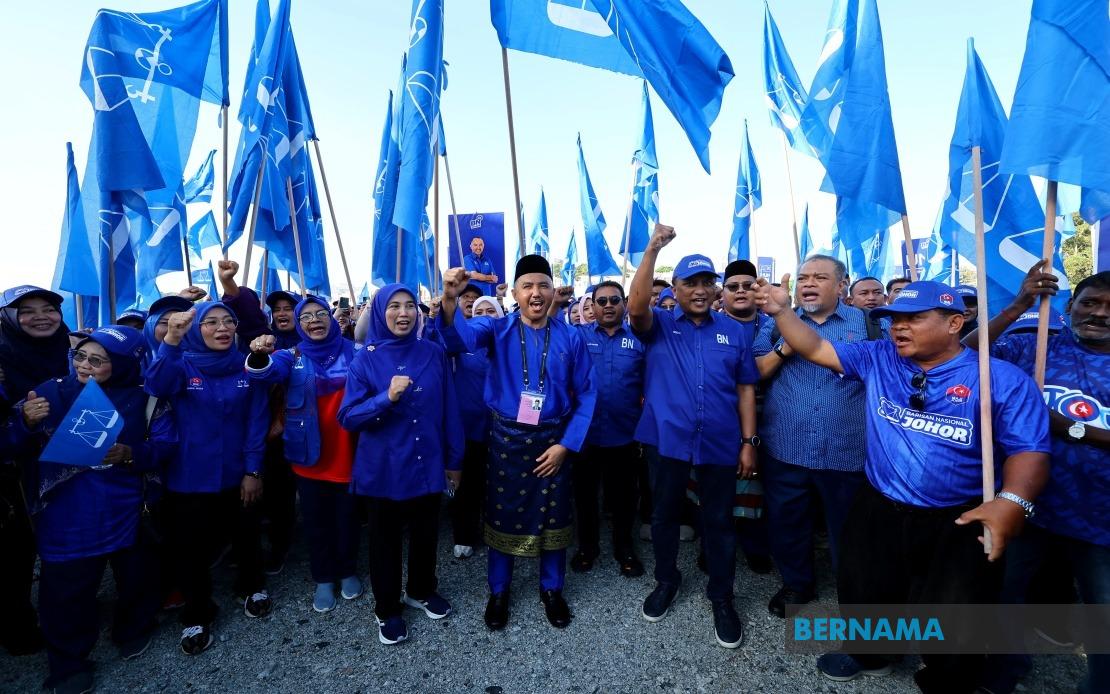
The atmosphere at nomination centres across Johor remained peaceful and well-organised throughout the submission period. Supporters representing various political parties gathered at their respective venues to accompany candidates to the nomination offices, demonstrating the grassroots enthusiasm that characterises Malaysian electoral campaigns. The presence of party workers and supporters outside the centres reflected the competitive nature of this contest, yet the overall environment remained free from confrontation or disturbances, a testament to the professionalism of election administrators.
Security arrangements played a crucial role in maintaining order during the nomination process. The Royal Malaysia Police (PDRM) deployed personnel to all 56 centres, while the People's Volunteer Corps (RELA) provided additional support to ensure smooth operations. These coordinated security efforts prevented any incidents of provocation or disruption, creating a controlled environment where candidates could complete their administrative requirements without interference. The deployment of uniformed and volunteer personnel underscored the seriousness with which authorities approached the electoral process.
Johor's electorate represents a substantial segment of Malaysian voters. A combined total of 2,727,926 individuals are eligible to cast ballots in the state election, comprising 2,703,175 ordinary registered voters alongside 12,041 military personnel and their spouses and 12,710 police personnel and their spouses. This composition reflects the diverse demographic makeup of Malaysia's second-largest state by population and demonstrates the broad cross-section of society that will participate in determining Johor's next state government. The inclusion of armed forces and uniformed personnel voters adds complexity to the electoral calculus and campaign strategies.
The Election Commission has scheduled July 7 for early voting, allowing those unable to vote on the main polling day to cast their ballots in advance. This accommodation recognises that many voters—including those in essential services, healthcare workers, and others with unavoidable commitments—require alternative voting arrangements. Early voting has become an increasingly important feature of Malaysian elections, reducing congestion at polling stations and ensuring broader participation across different segments of society. The two-day gap between early voting and actual polling day provides election officials with time to prepare final logistics.
July 11 has been designated as the official polling day for the 16th Johor State Election. This timing places the election in the middle of the year, a period when weather conditions in the southern state are generally stable, reducing the risk of disruptions caused by monsoon rains or other climatic factors. The scheduling also allows the newly elected state government sufficient time before the year-end budget cycle to prepare governance initiatives and policy frameworks.
For Johor, the state election represents a critical democratic exercise that will shape the region's political direction and policy priorities for the next term. As one of Malaysia's most economically significant states, Johor's election outcomes carry implications beyond the state's borders, potentially influencing national political dynamics and coalition arrangements. The successful completion of nominations suggests that the election machinery is operating effectively, and the transition from nomination to campaigning indicates that the broader electoral process is proceeding according to schedule.
The orderliness of the nomination process also reflects growing maturity in Malaysian electoral practices. Unlike elections in some earlier periods, modern Malaysian state elections are characterised by administrative efficiency and professional management of the nomination stage. The closure of all 56 centres simultaneously at a designated time demonstrates the standardised protocols now in place across the country's electoral system. This consistency reassures voters that the election will be conducted fairly and transparently, even as political competitors engage in vigorous campaigns to win support.

