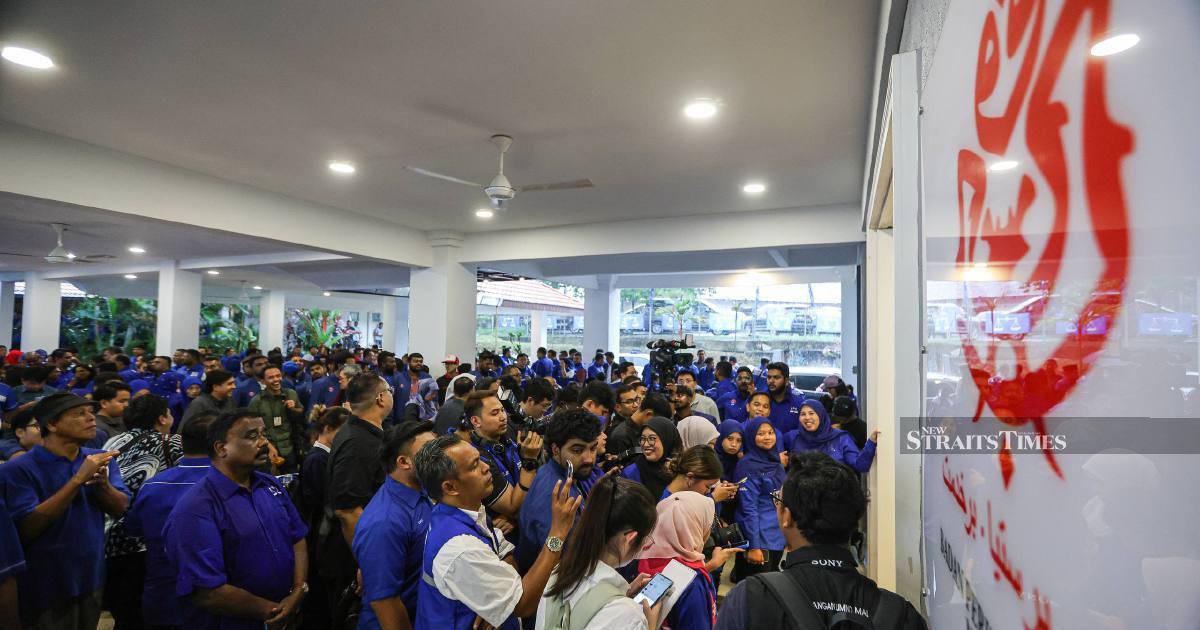
The Johor Umno headquarters in Johor Baru became a centre of political ferment as senior Barisan Nasional figures, party cadres and grassroots supporters converged to witness the formal unveiling of the coalition's candidate slate for the 16th Johor state election. The gathering represented a significant juncture in the state's electoral cycle, with considerable anticipation building among party faithful and observers tracking the lead-up to polling day.
The scene at the headquarters reflected broader political dynamics shaping Malaysia's second-largest state, where Barisan Nasional has historically maintained substantial influence across multiple constituencies. The coalition's decision to publicly announce candidates at the Umno headquarters underscored the party's continued centrality within the broader BN framework, even as internal negotiations and coalition management consume considerable political attention.
For Johor voters and political analysts monitoring developments, the candidate announcements carry particular significance in mapping the electoral terrain. The composition of BN's candidate list—encompassing considerations of incumbency, demographic appeal, geographic balance and factional considerations within component parties—provides crucial insights into how the coalition intends to contest various constituencies and consolidate support across different demographic and geographic segments.
The gathering of supporters and party members reflects the grassroots mobilisation efforts prerequisite to election campaigns in Malaysia's competitive political environment. Such assemblies serve multiple functions: they energise the party base, provide media platforms for leadership messaging, and generate social momentum that extends beyond the immediate venue through digital channels and word-of-mouth dissemination across local communities.
Johor's electoral significance extends beyond state-level considerations. As Malaysia's second-largest state by population and a critical economic contributor, electoral outcomes in Johor frequently signal broader national trends and influence national political calculations. Major parties and coalitions invest considerable resources into Johor campaigns, viewing strong performances in the state as essential components of national political strategies. The candidate selections announced at this gathering therefore carry implications transcending Johor's borders.
The timing of candidate announcements typically reflects careful political calculation. Elections in Malaysia customarily follow proclamation by the relevant state ruler or, at federal level, the Yang di-Pertuan Agong. The period between announcement and actual polling day provides limited campaign windows during which parties must mobilise supporters, conduct ground operations, and secure voter commitments. Early candidate announcements allow component parties within coalitions like BN to commence grassroots activities and establish candidate recognition before official campaign periods commence.
Barisan Nasional's coalition structure—encompassing Umno, MCA, MIC and other component parties—requires intricate negotiations around seat allocations and candidate selections. The candidate list represents outcomes of these negotiations, with each component party receiving an agreed allocation of parliamentary and state constituencies to contest. These arrangements reflect the historical bargains upon which BN rests, though internal pressures periodically test the coalition's cohesion, particularly following electoral setbacks or when grievances develop regarding seat distributions deemed unfavourable by particular parties.
For Malaysian voters contemplating electoral choices, candidate quality and track records assume considerable importance in determining voter decisions. The announcement of specific individuals selected to contest each seat enables voters to assess candidates' qualifications, prior legislative or administrative experience, community connections, and suitability for representing their constituencies. Detailed scrutiny of candidates invariably follows formal announcements, with social media platforms, community forums and traditional media subjecting candidates to public examination and debate.
The excitement visible at the headquarters gathering underscores how Malaysian electoral politics continues engaging significant numbers of citizens in active political participation. Despite widespread commentary regarding declining political engagement or voter apathy, occasions such as candidate announcements generate genuine enthusiasm among party supporters and dedicated political activists, demonstrating the enduring capacity of electoral contests to mobilise public attention and participation.
Observers analysing the Johor election will scrutinise candidate announcements alongside broader considerations including policy platforms, economic conditions influencing voter sentiment, and performance of competing coalitions and independent candidates. The candidate slate announced at this gathering represents Barisan Nasional's primary tool for contesting constituencies across the state, making the composition of this list central to assessing the coalition's electoral prospects and likely performance across different regions and constituencies within Johor.