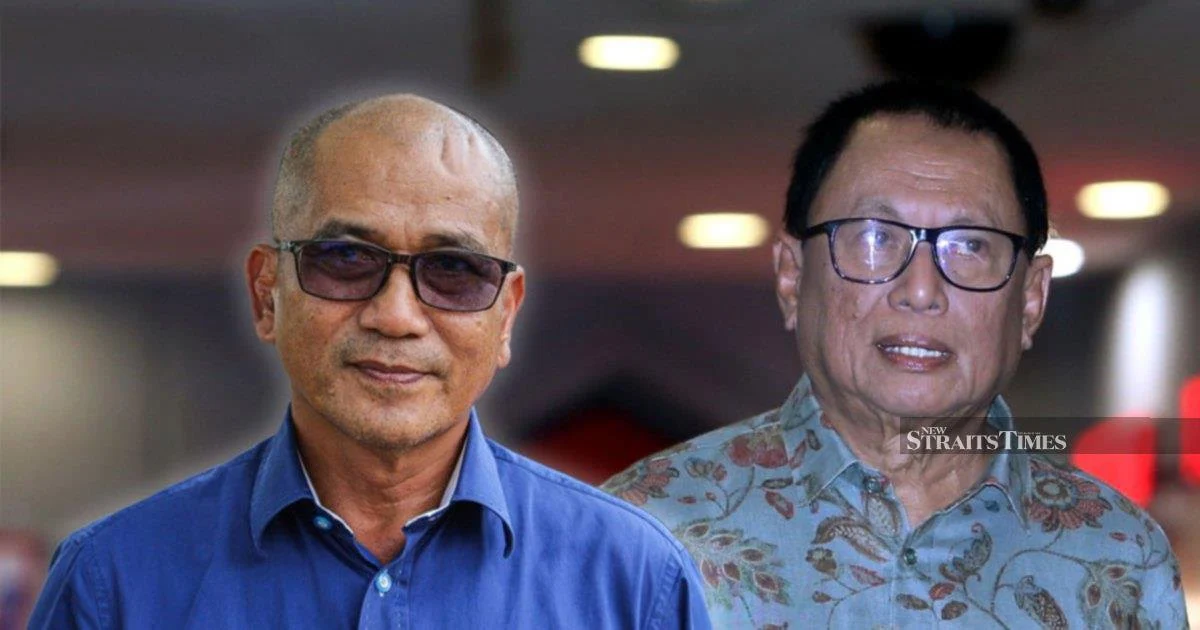
The leadership of Umno in Johor has moved swiftly to counter a series of allegations levelled by Datuk Dr Mohd Puad Zarkashi, the former speaker of the state legislative assembly, regarding the circumstances surrounding the dissolution of the assembly on June 1. In a coordinated response from party headquarters in Johor Baru, senior party officials characterised the former speaker's claims as grave and baseless slander aimed at damaging the party's reputation and credibility within the state.
The June 1 dissolution of the Johor state assembly marked a significant political moment that set the stage for fresh elections and realigned the state's political landscape. Puad Zarkashi, who previously held the influential position of speaker before stepping down from the role, has since made public statements that appear to implicate senior Umno figures in improper conduct related to the assembly's dissolution. The nature of these allegations has prompted swift and forceful denials from the party establishment, suggesting the dispute cuts to core questions about procedural integrity and political manoeuvring.
Umno leaders in Johor have characterised the former speaker's intervention as a form of character assassination, arguing that his claims lack substantive evidence and represent a calculated attack on party unity. The timing of Puad Zarkashi's public statements, coming some months after the assembly dissolution itself, has led party officials to question his motives and suggest that personal grievances may be driving his narrative. This interpretation reflects broader tensions within Johor's political establishment, where personalities and factional interests often intersect with formal procedural disputes.
The assembly dissolution itself requires contextualisation within Malaysia's complex constitutional framework. State assemblies can be dissolved for various reasons, including government requests seeking fresh mandates or as consequences of internal political crises. The June 1 timing, coupled with Puad Zarkashi's subsequent allegations, suggests that significant backroom political manoeuvring may have preceded the formal dissolution. Such manoeuvring is not uncommon in Malaysian state politics, where coalition mathematics and factional balancing frequently determine legislative actions.
Puad Zarkashi's position as former speaker makes his allegations particularly noteworthy, as the speaker typically maintains formal impartiality while overseeing assembly procedures and safeguarding institutional integrity. His willingness to make public statements criticising Umno leadership indicates either a substantial breach with party orthodoxy or a principled stand on matters he considers ethically important. However, Umno's unified response suggests party discipline remains intact, with officials presenting a common front against what they frame as unfounded attacks.
The nature of the alleged wrongdoing remains somewhat opaque in initial reporting, though implications of procedural impropriety appear central to Puad Zarkashi's case. Johor Umno's categorical rejection, without detailed rebuttal of specific points, raises questions about whether the party intends to address allegations substantively or to simply discredit the speaker through character challenges. This approach, while politically expedient in the short term, may fuel speculation about what precisely prompted the former speaker's criticism.
For Malaysian political observers, this dispute highlights persistent challenges within ruling-party structures regarding internal accountability and procedural transparency. Umno's dominance in Johor politics means that internal party conflicts often become public controversies, affecting governance stability and public confidence in state institutions. The assembly speaker's role requires independence and impartiality, making any suggestion that the office was compromised a matter of broader constitutional concern beyond narrow party politics.
The clash between Puad Zarkashi and Johor Umno leadership also reflects generational and ideological tensions within Malaysia's dominant Malay-Muslim political establishment. Younger or more independently-minded figures may increasingly question party loyalty when they perceive procedural impropriety, potentially signalling shifts in how intra-party dissent operates within traditionally hierarchical organisations. This development carries implications not only for Johor but for Umno's broader functioning and internal governance.
Regionally, the dispute reminds Southeast Asian observers that even well-entrenched political parties face challenges maintaining discipline and managing dissent, particularly when questions of institutional integrity arise. Malaysia's success in maintaining relative political stability has depended partly on strong party structures and internal discipline, but emerging fault lines suggest these mechanisms face pressure as younger leaders and independent-minded officials demand greater accountability.
Looking forward, the resolution of this particular dispute may depend on whether independent investigations or formal inquiries into the assembly dissolution's circumstances proceed. Umno's ability to simply dismiss allegations without addressing their substance could prove strategically shortsighted if public doubt about the dissolution's legitimacy persists. Meanwhile, Puad Zarkashi's continued public advocacy for his position will test whether other figures within Johor's political establishment share his concerns or whether he remains isolated within party circles.
The broader implications extend to how Malaysian state governments maintain public trust in legislative processes and institutional independence. When senior figures like assembly speakers publicly challenge ruling-party actions, it signals that institutional safeguards remain meaningful and that individuals possess some capacity to resist pressure toward complicity in questioned decisions. Whether Umno can successfully dismiss this challenge or faces mounting pressure to provide detailed explanations will likely shape perceptions of governance quality and institutional integrity in Johor for years to come.

