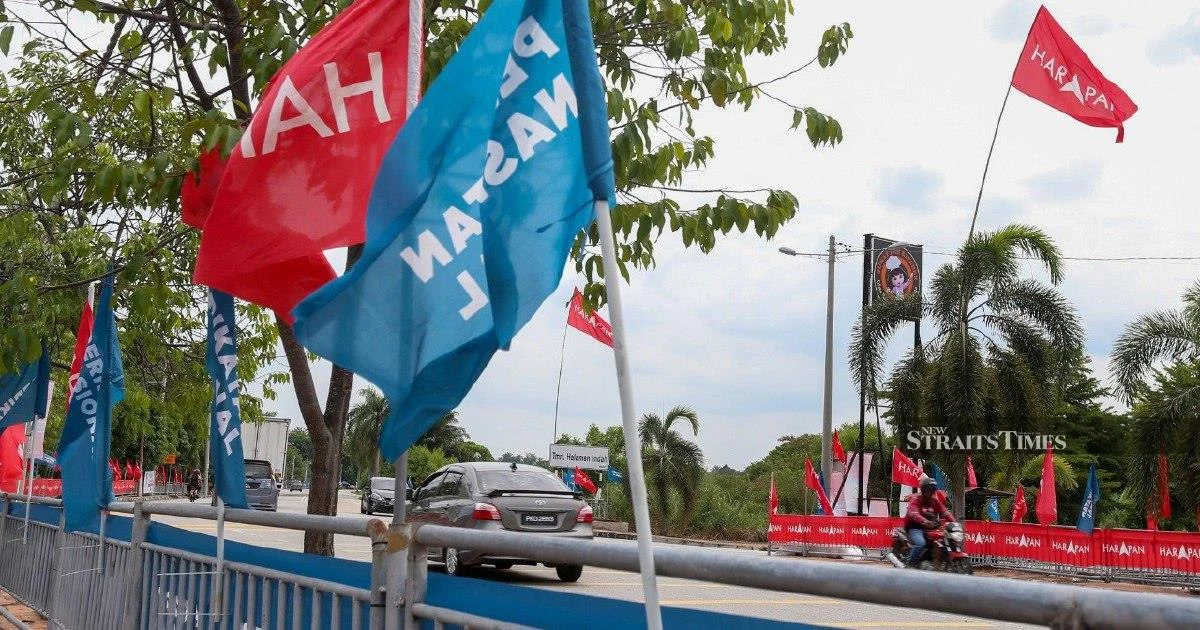
The race for control of Johor's state assembly formally commenced today as the nomination process opened across all 56 state constituencies, signalling the start of what promises to be a significant electoral battle for Malaysia's second-largest state by population. This milestone represents a critical juncture in Johor's political calendar, as candidates and party machinery gear up for the contest that will determine the composition of the Johor Dewan Undangan Negeri for the next five years.
The scale of this election underscores Johor's importance within Malaysia's federal structure. With 56 constituencies, Johor maintains the largest number of state assembly seats in the country, making it an outsized influence on national political calculations. This size alone means that the outcome will reverberate beyond the southern state, shaping coalition dynamics and policy directions that affect the broader peninsular Malaysian landscape. The sheer logistical challenge of managing nominations across such a wide geographical and demographic spread demonstrates the complexity of modern Malaysian electoral administration.
Nomination day serves as the formal threshold through which aspiring candidates must pass to contest the election. Parties have completed their internal selection processes and vetting procedures, and today marks when they formally register their chosen representatives with the Election Commission. The filing of nomination papers represents the point of no return, transforming campaign speculation into official candidacy. For voters and political observers, it provides the first concrete picture of who will actually be standing for election and which parties are prioritising which constituencies.
The timing of this election holds particular significance for Johor's development trajectory. As a state that has long served as a regional economic engine—bolstered by its strategic location adjacent to Singapore and its role as a manufacturing and logistics hub—the composition of the state government carries implications for investment climate, infrastructure planning, and urban development. The candidates stepping forward today will be responsible for steering policies affecting everything from port operations in Tanjung Pelepas to the industrial zones that dot the Johor landscape.
For the major political coalitions contesting the election, today's nominations reveal their strategic priorities and confidence levels in different areas. The distribution of candidate quality, experience, and party prominence across the 56 seats telegraphs where each coalition believes it can win or where it is defending vulnerable ground. Analysts will scrutinise which constituencies received high-profile candidates from party leadership and which saw grassroots figures nominated, as this often signals internal assessments of electoral viability.
The nomination period also crystallises the broader ideological and policy platforms that have been taking shape throughout the political year. Candidates will campaign on records of state government performance, federal-state cooperation levels, and visions for Johor's future. For voters, this election offers a chance to assess competing visions for handling pressing issues including education, healthcare, transportation infrastructure, and economic diversification as Malaysia faces long-term structural economic shifts.
Geographically, the 56 constituencies span the full breadth of Johor, from the densely populated urban centres of Johor Baru to the more rural and scattered communities of the northern regions. This diversity means that election campaigns will necessarily be multifaceted, addressing the different needs and concerns of constituencies ranging from industrial workers to smallholder farmers to knowledge workers in growing tech hubs. Candidates will need to articulate how their parties' platforms address both urban congestion and rural development simultaneously.
The nomination process itself, while administratively straightforward, represents a moment of high political theatre in Malaysian politics. Behind each nomination that is successfully filed lies weeks of party negotiations, factional compromises, and strategic calculations. Candidates who have worked toward this moment are now validated, while those who missed out must either accept party decisions or consider independence candidacy—a rarely successful route in Malaysian state elections.
For election observers and international commentators watching Johor, the composition of the candidate slate today offers early indicators of electoral competitiveness and which areas might see close contests. The candidates nominated across the 56 seats represent the human faces through which Malaysian democracy will be tested in this major state election.
As nominations close and the campaign period begins in earnest, Johor enters a phase that will culminate in polling day, when voters will make their choices about which candidates and coalitions will hold sway over one of Malaysia's most economically vital regions. The formal commencement of candidacies today transforms what has been political anticipation into an actual electoral contest that will occupy Johor's political space for the coming weeks.

