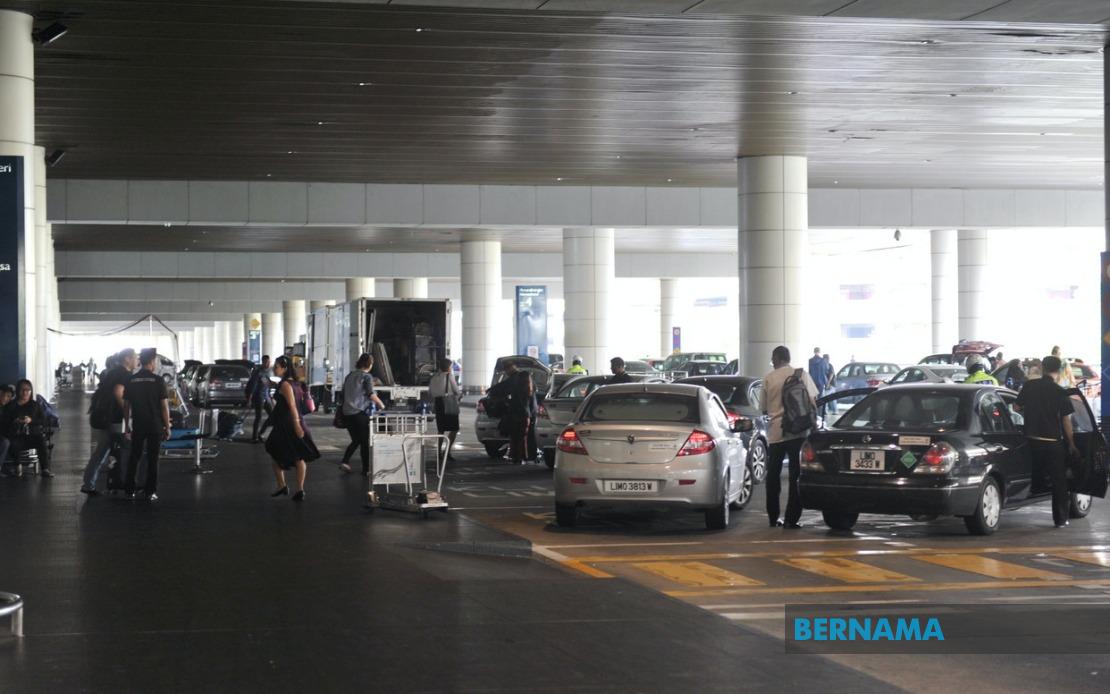
The Road Transport Department (JPJ) is moving decisively to combat the persistent problem of illegal taxi operators—colloquially known as 'ulat'—at Kuala Lumpur International Airport. Following directions from the Ministry of Transport, the agency has committed to a significant operational expansion at KLIA Terminal 1 and Terminal 2 that will see substantially more enforcement staff on the ground and enforcement activity occurring throughout the entire 24-hour cycle. Director-general Datuk Aedy Fadly Ramli announced the initiative at a press conference, emphasizing that the crackdown represents a coordinated effort to protect both travellers and Malaysia's international reputation at one of the country's most visible entry points.
Currently, the JPJ maintains a skeleton crew at KLIA's main terminal, with just 17 officers stationed at Terminal 1 operating within limited daylight and early-evening shifts that run from 7 am until midnight. Terminal 2, which handles significant passenger volumes, has no dedicated JPJ personnel stationed on-site at all. This significant gap in coverage has allowed illegal taxi operators to flourish, particularly during early morning hours when international flights begin arriving from 4 am onwards. The absence of consistent enforcement presence during these peak arrival periods has effectively ceded operational space to unlicensed operators who prey on arriving passengers unfamiliar with local transportation protocols and seeking quick solutions to their ground transport needs.
Beginning next week, the JPJ will implement a three-shift rotation system ensuring that permanent enforcement officers are stationed at both terminals around the clock. This structural change fundamentally alters the operational landscape by eliminating the enforcement vacuum that has characterized previous efforts. Beyond merely increasing personnel numbers, the department plans to position officers of higher grades and seniority to lead enforcement units at each terminal, a move designed to enhance decision-making authority and operational effectiveness during complex encounters with suspected illegal operators. The combination of extended hours, increased headcount, and upgraded supervision represents a marked escalation in the department's commitment to the issue.
The 'ulat' phenomenon—the term literally refers to worms or parasites in Malay—represents a chronic challenge for Malaysian airports. These illegal operators work outside the regulated taxi system, offering rides at uncontrolled prices and operating vehicles that may not meet safety or insurance standards. Arriving passengers, jet-lagged and searching for convenient transport, often lack knowledge about legitimate alternatives and may negotiate fares without realizing they are engaging with unlicensed providers. Beyond the immediate inconvenience and potential financial exploitation of travellers, the activities of these operators create problematic impressions of Malaysia's professionalism and governance at the precise moment when international visitors form their initial opinions of the country.
The decision to intensify enforcement reflects recognition among transport authorities that previous approaches have yielded insufficient results. By stationing officers permanently at both terminals rather than relying on periodic patrols or response-based interventions, the JPJ aims to establish a consistent deterrent presence. The visible deployment of uniformed personnel engaged in active monitoring and enforcement creates an environment where illegal operators face genuine risk of detection and sanction, thereby reducing the profitability calculations that currently incentivize their activities. Additionally, the strategic placement of senior officers ensures that complex operational decisions—such as distinguishing between legitimate private hire services and illegal taxis, or coordinating with airport security—can be made with appropriate authority and judgment.
Parallel to the enforcement surge, the JPJ is collaborating with Malaysia Airports Holdings Bhd (MAHB) to enhance passenger communications within the terminals. This partnership leverages airport infrastructure, including digital displays and announcement systems, to inform arriving travellers about the risks of engaging with unlicensed operators and the availability of legitimate, regulated transportation options. Such public-facing messaging addresses the demand-side dimension of the problem by educating consumers about safer choices. International airports typically benefit from passenger advisory systems that normalize reliance on official services, and strengthening KLIA's communications in this regard could meaningfully shift passenger behaviour, particularly among first-time visitors to Malaysia or the Southeast Asian region more broadly.
The initiative carries particular significance within Malaysia's broader transportation and regulatory ecosystem. The JPJ's commitment to uncompromising enforcement against 'ulat' operators signals that the government intends to protect the regulated taxi industry and licensed ride-hailing services that operate within established legal frameworks. Companies like Grab and traditional licensed taxi operators have long contended with competition from unlicensed rivals who undercut their services by avoiding regulatory compliance costs. By reinforcing the enforcement perimeter around KLIA, the JPJ creates a more level competitive playing field where legitimate service providers can operate without being systematically undermined by parallel illegal networks operating at the airport itself.
For Malaysian travellers and regional visitors, the operational changes promise tangible improvements in the airport experience. Reduced presence of illegal touts translates to clearer signage for legitimate services, fewer aggressive solicitations, and greater confidence in transportation choices. Business travellers, families, and international visitors will benefit from a more orderly and predictable environment when arriving at or departing from Malaysia's primary international gateway. The knock-on effects extend to ground transportation providers and the broader tourism and business sectors, where airport experiences directly influence perceptions of Malaysian professionalism and safety.
The timing of this enforcement escalation also reflects ongoing government priorities around service quality at national infrastructure. KLIA serves as a symbolic representation of Malaysian governance and competence to hundreds of thousands of international visitors annually. The presence of uncontrolled illegal operators undermines the professional image that Malaysian authorities seek to project. By demonstrating capacity to enforce regulations effectively at a major public facility, the government reinforces broader commitments to rule of law and orderly administration. The precedent set at KLIA—deploying sufficient resources, establishing 24-hour coverage, and ensuring senior leadership presence—could potentially inform approaches to similar problems at other entry points or transportation hubs throughout the country.
Director-general Aedy Fadly's public assurance that the JPJ will not compromise with any parties involved in illegal taxi activities represents a hardened stance that signals resolve to stakeholders across the transportation sector. The emphasis on protecting not merely individual users but also the country's international image frames the issue as one affecting national interests rather than merely regulatory compliance. This framing may help sustain the political and institutional commitment necessary to maintain intensive enforcement operations over extended periods, as the problem cannot be solved through a brief campaign but requires sustained, systematic effort to reshape behaviour and expectations among both illegal operators and airport users.

