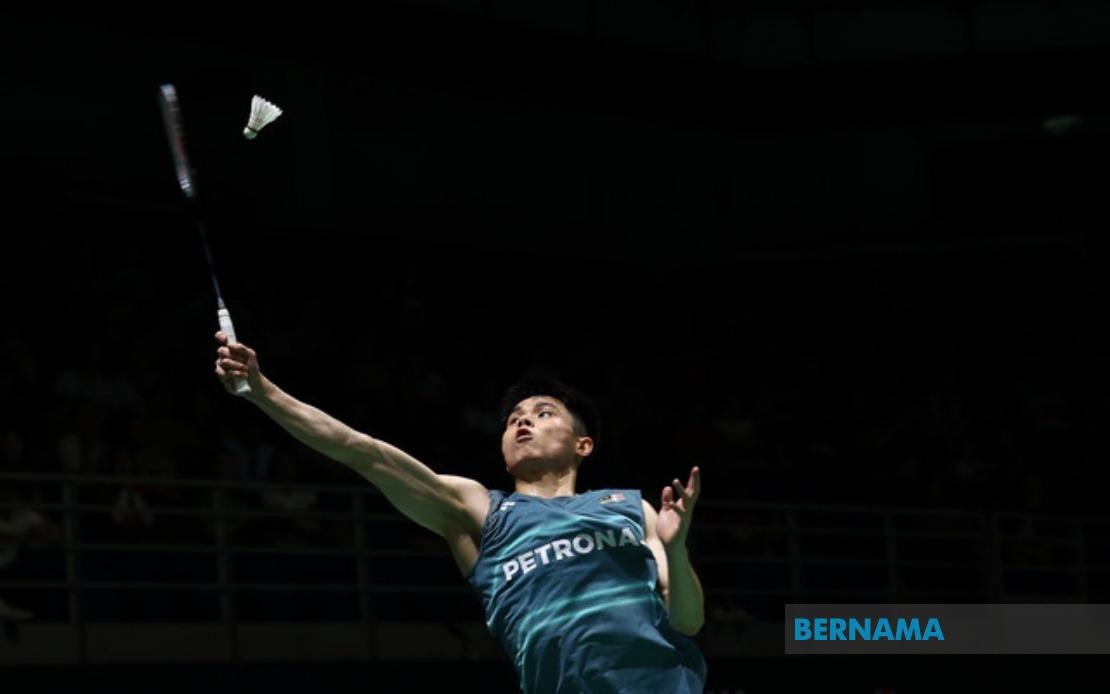
Justin Hoh, Malaysia's 22-year-old men's singles shuttler, is taking a measured approach to his first appearance at the BWF World Championships, scheduled to take place in New Delhi from August 17 to 23. Speaking after a training session at the Academy Badminton Malaysia in Kuala Lumpur on August 4, the Kuala Lumpur-born player stressed that he is focusing his efforts on comprehensive preparation rather than worrying excessively about the specific conditions he will encounter at the prestigious tournament.
The young shuttler's pragmatic mindset reflects the realities of competing in India, a nation that has hosted numerous international badminton events but has occasionally faced logistical and operational challenges. Justin emphasized the need for players to be prepared for any situation that might arise, acknowledging that while the organisers may have made improvements since previous tournaments, competitors cannot rely entirely on external conditions being optimal. His approach suggests a maturity beyond his years, recognizing that success at the elite level often depends on athletes taking personal responsibility for their preparation rather than making excuses about venue quality.
Drawing from his own experience competing in India previously, Justin highlighted several practical considerations that players must account for when travelling to tournaments in the country. One key recommendation he made was for athletes to bring their own food supplies, a measure designed to mitigate potential health issues that could arise from unfamiliar cuisine or food safety concerns. This cautious approach underscores the reality that international badminton competition requires players to manage not just their sporting performance but also their physical wellbeing and comfort during overseas travel.
The backdrop to Justin's preparations includes the controversial India Open held in January, which drew considerable criticism from the international badminton community over severe sanitation problems. Images and reports from that event revealed bird droppings on practice courts and monkeys roaming freely within the Indira Gandhi Sports Complex, issues that prompted discussions about whether such conditions were appropriate for world-class competition. While these incidents highlighted legitimate concerns about venue standards, they also provided valuable intelligence for athletes like Justin who would subsequently compete in India, allowing them to make informed decisions about their preparation strategies.
Despite acknowledging these past challenges, Justin expressed cautious optimism that the organising committee would implement improvements before the World Championships. He balanced realistic expectations about potential shortcomings with hope that the hosting arrangements would be upgraded from previous tournaments. This diplomatic stance reflects both his respect for the organising bodies and his understanding that, regardless of external circumstances, he must perform at his best. For Malaysian badminton fans following his journey, this attitude demonstrates a professional maturity that bodes well for his development as a competitor.
Regarding the tournament draw itself, Justin adopted a philosophical stance, noting that he was not overly preoccupied with the possibility of facing a higher-ranked opponent in the opening round. In badminton's single-elimination format, the draw can significantly impact a player's path through the tournament, and securing a favourable draw versus a seeded player can be the difference between early elimination and a deep run. Yet Justin's relative indifference to these circumstances suggests he is focused on factors within his control rather than external variables. This mental approach is crucial for emerging players making their World Championships debut, as excessive worry about the draw can lead to psychological disadvantage before competition even begins.
The Malaysian men's singles contingent operates under considerable public scrutiny at home, where badminton holds enormous cultural significance and fans maintain high expectations for national representatives. Justin acknowledged this pressure directly, noting that Malaysia's men's singles players face constant commentary from observers, some encouraging and others less supportive. Rather than viewing this attention as a burden, he reframed it as motivational fuel, stating that he and his teammates want to demonstrate their capabilities on the world stage. This perspective is particularly relevant for Malaysia, where badminton excellence has been a source of national pride, and emerging players inherit both the glory of past achievements and the weight of expectation that comes with representing a badminton-loving nation.
The significance of the 2026 World Championships extends beyond Justin's individual career milestone. His debut appearance represents another chapter in Malaysia's ongoing efforts to maintain competitive strength in men's singles, an area where the country has experienced fluctuating success in recent years. The presence of young, hungry talent like Justin competing at the world's premier badminton championship carries implications for Malaysia's medium-term performance in the sport. If emerging players can gain valuable experience and perform respectably at this level, it strengthens the pipeline of talent that will carry Malaysian badminton forward into the late 2020s and beyond.
When asked about his objectives, Justin deliberately avoided setting unrealistic goals, instead framing the tournament as a learning opportunity. He mentioned that winning a medal would be a wonderful outcome, but he recognized that his primary focus should be on gaining experience at the highest level. This measured ambition is appropriate for a player making his World Championships debut, as it balances optimism with realism. Many athletes have foundered at their first major championships by setting expectations too high, whereas Justin's approach of treating the event as an educational experience while remaining open to strong performances demonstrates psychological maturity.
The path Justin has taken to reach the World Championships reflects the developmental pipeline within Malaysian badminton. Young players are identified and developed through structured programmes, with the Academy Badminton Malaysia serving as a crucial facility for training elite shuttlers. The fact that Justin was training at the ABM in Kuala Lumpur ahead of his World Championships appearance shows that the national badminton system continues to invest in emerging talent. His potential success or competitive showing in New Delhi could influence how resources and attention are directed toward developing the next generation of Malaysian badminton players.
Looking forward to August 17, Justin will be among hundreds of the world's best badminton players converging on New Delhi for what promises to be a fiercely competitive tournament. For Malaysian observers, his journey to this milestone represents both an individual achievement for the 22-year-old and a potential indicator of the health of Malaysian badminton's future. Whether he advances deep into the tournament or experiences early elimination, the experience gained will prove invaluable for his continued development. His willingness to prepare thoroughly, adapt to challenging conditions, and maintain perspective about the magnitude of the challenge suggests he is positioned to handle the demands of elite international badminton competition.

