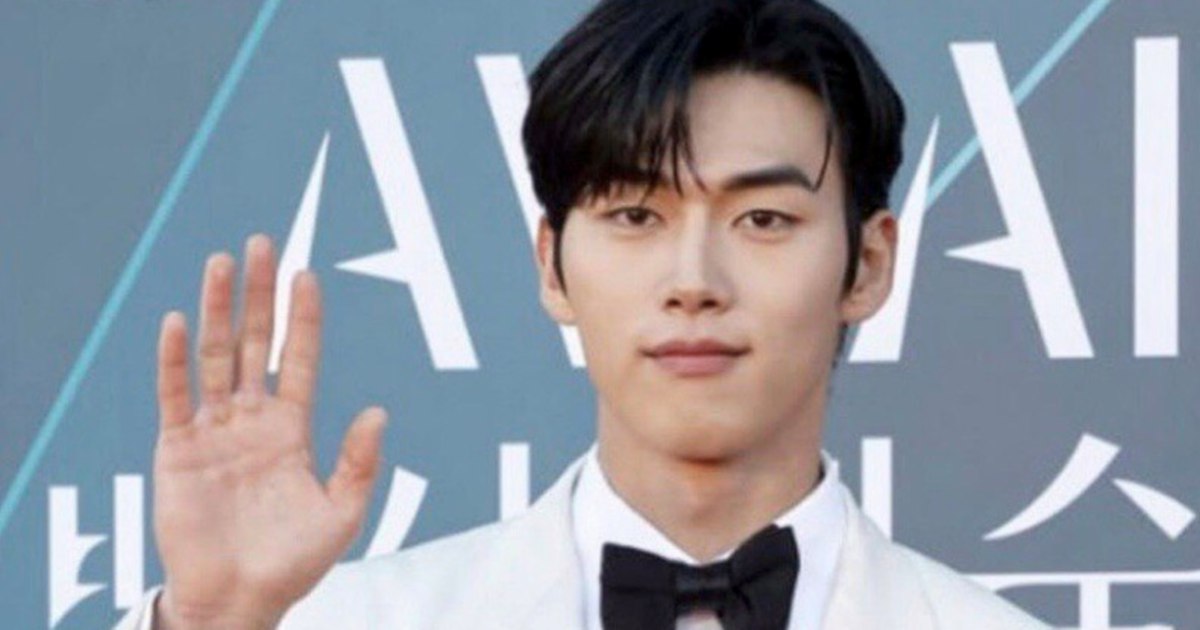
Hong Min-gi, a South Korean television and film actor, has become the subject of serious misconduct allegations brought forward by his former girlfriend, a social media influencer identified in reports only as A. The woman has made public claims of verbal and physical abuse during their relationship, sparking immediate attention in South Korean entertainment circles and raising fresh questions about accountability within the industry.
The actor's representation moved swiftly to address the accusations. His agency issued a categorical denial of the allegations, rejecting each claim made by the former partner. Rather than allowing the narrative to develop through public discourse, the agency took an aggressive posture, signalling its intention to pursue legal remedies against what it characterizes as false and damaging statements. This defensive approach reflects a broader pattern in South Korean entertainment, where agencies often respond to controversies through legal threats and denials rather than investigation or dialogue.
The allegation itself touches on a sensitive nerve within South Korea's entertainment sector, which has faced mounting scrutiny over workplace misconduct and interpersonal abuse in recent years. The #MeToo movement, though arriving later to South Korea than many Western nations, has fundamentally altered the landscape for how such claims are received and evaluated. High-profile cases involving actors, directors, and producers have demonstrated that reputational damage can be swift and severe, making the agency's immediate and forceful response understandable from a crisis management perspective.
For Malaysian audiences and the broader Southeast Asian region, this incident underscores the complex dynamics surrounding celebrity accountability in East Asian entertainment industries. The influence of Korean drama and entertainment content across Malaysia, Singapore, and the wider region means that scandals involving K-drama stars carry particular resonance with local audiences who follow these productions closely. Fan communities across Southeast Asia actively engage with Korean entertainment narratives, making international reputation management increasingly important for actors and their representatives.
The identification of the accuser only as A—a common practice in South Korean media to protect privacy in abuse cases—simultaneously limits public understanding of the situation while maintaining journalistic standards. This anonymity also reflects South Korean legal protections for alleged victims of abuse, though it complicates the public's ability to fully evaluate the claims being made. The agency's willingness to pursue legal action suggests confidence in their position, yet the very act of taking legal steps can itself become a significant story within entertainment media cycles.
The substance of the allegations—encompassing both verbal and physical abuse—represents a pattern that has emerged repeatedly in recent entertainment industry controversies across Asia. These allegations suggest a power dynamic that allegedly extended beyond the public relationship into private conduct, a territory that entertainment agencies have historically found difficult to navigate. The former girlfriend's decision to make her allegations public, despite the significant social and legal risks of doing so in South Korea, indicates a level of conviction about her claims that warrants serious consideration.
From a regional perspective, South Korean entertainment remains one of the most significant cultural exports to Malaysia and Southeast Asia, with television networks regularly broadcasting K-dramas and platforms like Netflix featuring extensive Korean content libraries. When allegations emerge about prominent actors, they create ripple effects through fan communities, social media discussions, and entertainment journalism across the region. The way such cases are handled sets precedents for how future allegations might be treated and what standards of accountability are expected.
The legal posturing by Hong Min-gi's agency introduces an important dimension to this controversy. In South Korea, defamation suits against accusers are common responses to misconduct allegations, and courts have sometimes ruled in favour of accused parties, particularly when evidence of false claims emerges. However, this approach can also be perceived as attempting to intimidate accusers or silence legitimate complaints through legal intimidation. The threat of legal action therefore operates as both a potential vindication strategy and a potential suppression mechanism, depending on one's perspective.
The timing and manner of the allegations' emergence remains unclear from available information, but the public nature of the accuser's statement suggests she has chosen to take on considerable personal risk. In South Korean society, accusers in abuse cases frequently face social backlash, harassment, and legal countersuits, creating a challenging environment for coming forward. The influencer's willingness to proceed despite these risks carries implications for how seriously her allegations ought to be treated.
As this matter develops, Malaysian entertainment media consumers and industry observers will likely monitor how South Korean authorities and judicial processes handle the case. The outcome could influence standards and expectations for accountability in the wider East Asian entertainment sphere, where Korean production companies and actors maintain significant presence and influence throughout Southeast Asia. The case also raises questions about the responsibilities of agencies and production companies in ensuring safe working and personal environments for their artists.
The broader context matters significantly here. South Korea's entertainment industry has undergone substantial transformation in recent years as a result of high-profile scandals involving prominent figures. Yet systemic change remains inconsistent, and power imbalances continue to characterize many professional and personal relationships within the sector. This particular case will likely contribute to ongoing conversations about what standards of conduct are acceptable and how allegations should be properly investigated rather than reflexively dismissed or aggressively countered.

