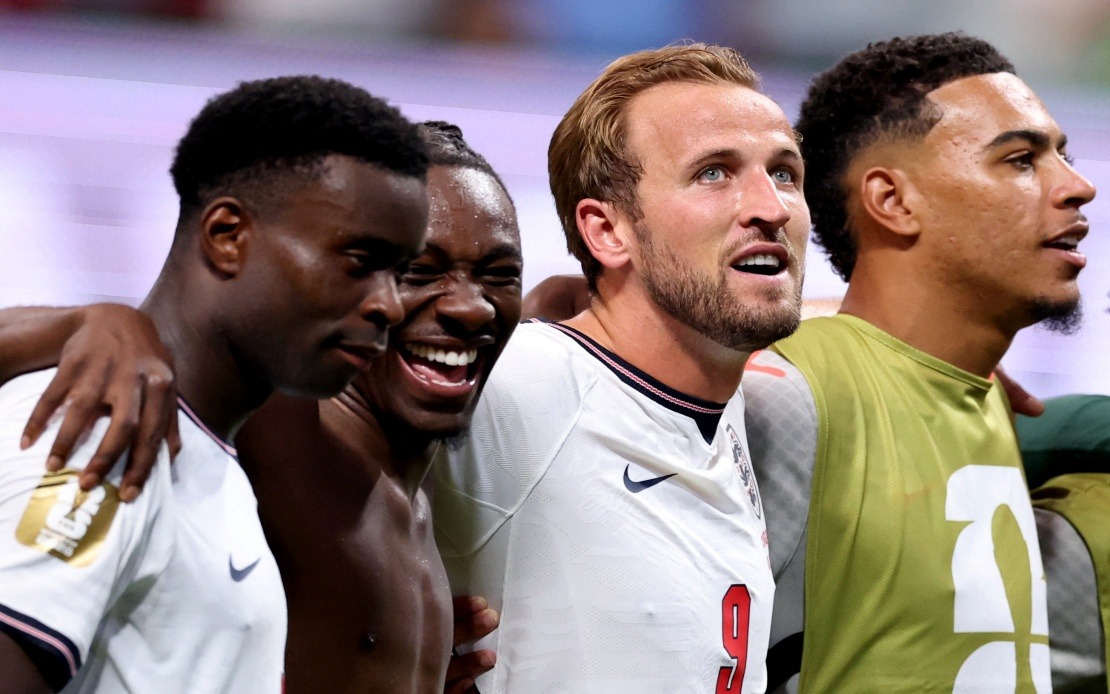
England came perilously close to a devastating World Cup exit in Atlanta on Wednesday before Harry Kane's clinical finishing rescued Thomas Tuchel's side from the jaws of an upset loss to the Democratic Republic of Congo. Kane's two second-half goals completed a 2-1 comeback victory that allows the Three Lions to progress to a last-16 encounter with co-hosts Mexico, but the performance will have done little to ease mounting concerns about the team's defensive vulnerabilities and their capacity to compete with stronger opponents.
The early stages of the match unfolded as a nightmare scenario for England, with Brian Cipenga's opening strike putting Congo ahead and threatening to inflict a historical echo of the infamous 2016 Euros elimination by Iceland. That previous humiliation remains fresh in the collective memory of English football, and for much of Wednesday's encounter, the prospect of a repeat capitulation seemed alarmingly plausible. Congo's unexpected competence and England's laboured approach created an atmosphere of genuine tension, with the outcome remaining uncertain for extended periods.
What distinguished this World Cup tie was Congo's willingness to press aggressively and exploit England's organisational shortcomings in midfield and defence. The Africans' goalkeeper Lionel Mpasi produced a series of outstanding saves that frustrated England's attacking efforts, while opportunities arrived sporadically and without the clinical edge required to swiftly regain the initiative. Yoane Wissa came close to extending Congo's advantage when his effort struck the woodwork, intensifying the sense of jeopardy that pervaded the first half.
England's response in the opening period was characterised by technical inadequacy and tactical indecision. The midfield failed to establish control, allowing Congo space to operate and mount threatening moves. Kane himself believed he had been denied a clear penalty, an incident that amplified the mounting frustration evident among the players and coaching staff. As the first half concluded, England faced the uncomfortable reality that they were being outplayed by an opponent making their maiden World Cup knockout appearance.
The introduction of Anthony Gordon as a second-half substitute proved instrumental in shifting the momentum. Gordon's energy and directness unsettled Congo's defensive shape, creating the space and opportunity for Kane to deliver the clinical finishing that had proved elusive during the opening 45 minutes. Kane's brace, coming in quick succession, converted what had appeared as an impending disaster into a gritty, unconvincing victory that nonetheless preserves England's World Cup campaign.
This outcome marks a significant statistical milestone for England, representing their first World Cup victory after conceding first since their triumphant 1966 campaign. However, the manner of that triumph should provide scant comfort to those analysing the team's readiness for the tournament's more demanding challenges ahead. The defensive lapses exposed by Congo, a side ranked considerably lower in world football hierarchy, raise serious questions about how England will manage when confronting more accomplished attacking forces.
The impending matchup with Mexico at the Azteca presents a considerably stiffer test. Mexico's technical superiority and tactical sophistication will demand a substantially improved performance from Tuchel's side, particularly in defensive organisation and midfield control. The relative ease with which Congo penetrated England's structure suggests that a side of Mexico's calibre will create far more clear-cut opportunities, and England cannot afford a repeat of Wednesday's defensive sloppiness.
Tuchel will have learned considerable lessons from this match, particularly regarding the importance of tactical flexibility and timely substitutions. The decision to bring Gordon from the bench demonstrated an understanding that the initial approach required adjustment, and the subsequent shift in play reflected the value of fresh impetus and alternative tactical approaches. Yet the fundamental issues that made the match so unnecessarily competitive cannot be dismissed simply as a one-off aberration.
For supporters and analysts monitoring England's tournament trajectory, Wednesday's performance encapsulates both the team's resilience and their underlying fragility. The capacity to recover from an early setback and secure a comeback victory demonstrates mental fortitude and attacking quality, yet the struggle against fundamentally limited opposition raises legitimate concerns about the defensive discipline and midfield solidity necessary to contest a World Cup semi-final or final. England possess the individual talent to progress considerably further, but only if they substantially tighten their defensive organisation and improve their overall tactical coherence before confronting opponents of genuine quality.

