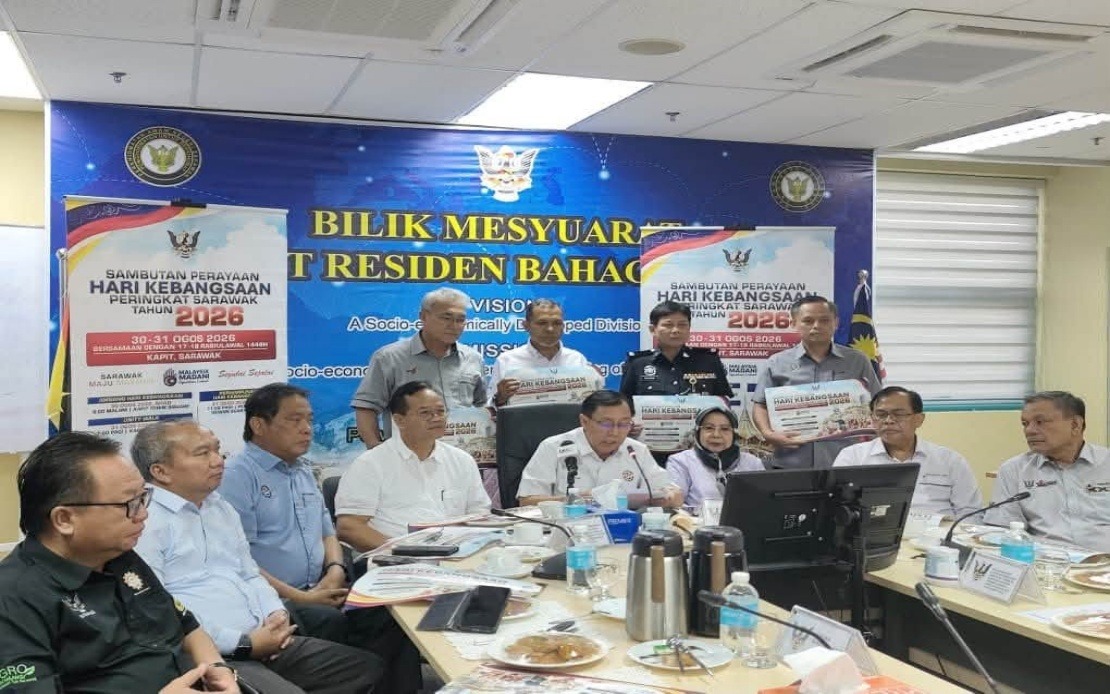
Kapit will serve as the venue for Sarawak's official state-level National Day celebration on August 30 and 31, with organisers planning an array of activities centred on building patriotic fervour, fostering communal harmony and deepening residents' connection to the nation. The two-day event represents a significant occasion for the Kapit Division and neighbouring territories, positioning the riverside town as a focal point for statewide commemorations during Malaysia's independence month.
Datak Seri Dr Stephen Rundi Utom, the Sarawak Food Industry, Commodity and Regional Development Minister and the official coordinator for these festivities, outlined the strategic importance of bringing the celebration to Kapit. Beyond the ceremonial aspects of marking the nation's birthday, he emphasised that the gathering would strengthen collective identity, acknowledge the sacrifices and vision of those who shaped Malaysia's independence journey, and reinforce the bonds connecting different communities within Sarawak.
The celebration has attracted high-level participation, with both Sarawak Governor Tun Dr Wan Junaidi Tuanku Jaafar and Sarawak Premier Tan Sri Abang Johari Tun Openg confirmed as attendees. Their presence signals the significance Sarawak's leadership places on these observances and reflects the state government's commitment to maintaining strong national consciousness among its population, particularly in divisions like Kapit that sometimes remain peripheral to major urban celebrations.
Three principal events form the backbone of the two-day programme. The festivities commence with a National Day Eve celebration scheduled for the evening of August 30 at Kapit Town Square, setting a celebratory tone for the township. This opening event allows residents to gather and anticipate the more formal ceremonies to follow, creating an accessible entry point for community participation regardless of age or background.
The morning of August 31 will feature a Unity Walk beginning at seven o'clock, designed to encourage active participation and physical togetherness among residents. This participatory element shifts the celebration from passive observation to collective movement, symbolising the walking together of Malaysia's diverse population towards shared aspirations. Such walks have become common components of National Day observances across Malaysia, serving both ceremonial and health promotion objectives.
The centrepiece of the celebration is the National Day Gathering scheduled for eleven o'clock on August 31 at the grounds of Dewan Suarah Kapit. Governor Wan Junaidi will participate in both the Unity Walk and this main gathering, while Premier Abang Johari's schedule includes attendance at the primary event. The venue choice at Dewan Suarah Kapit ensures the celebration occurs at a significant civic space, elevating the occasion's formal standing within the community.
Recognising the geographical and logistical constraints affecting some residents, organisers have made provisions for remote participation. Members of the public unable to travel to Kapit can access live broadcasts through TVS, Malaysia's rural television network, ensuring that isolated communities and those with mobility challenges remain included in the celebration. Additionally, the Sarawak Public Communications Unit (UKAS) will stream the events across its official social media platforms, accommodating the growing segment of the population accessing information and entertainment through digital channels.
Minister Rundi specifically extended invitations to Kapit Division residents and inhabitants of contiguous areas, framing the celebration as a community event rather than an exclusive gathering. This inclusive messaging suggests organisers anticipate drawing participants from beyond Kapit's formal boundaries, potentially engaging visitors from neighbouring divisions and creating an inter-divisional celebration of national identity. The emphasis on regional participation reflects Sarawak's character as a collection of distinct divisions united under state and federal frameworks.
For Malaysian political watchers, this event demonstrates how state governments operationalise national commemorations within their own jurisdictions. Sarawak, as a state with considerable constitutional autonomy, maintains its own ceremonial calendar alongside federal observances. By hosting the state-level National Day gathering in Kapit rather than the state capital Kuching, the Sarawak government signals an intention to distribute celebratory occasions across the state and ensure divisional areas receive direct attention from senior leaders. This decentralisation strategy can enhance regional cohesion and demonstrate that the state administration values all divisions equally.
The timing and scale of this celebration also merit consideration within the context of Malaysia's political landscape. National Day observances serve multiple functions beyond patriotic commemoration: they provide platforms for government messaging, strengthen voter relationships, and reinforce state legitimacy. In rural divisions like Kapit, such high-profile events with governor and premier attendance represent tangible evidence of state engagement and can influence perceptions of government responsiveness to peripheral communities.
The emphasis on unity, togetherness and honouring past sacrifices reflects conscious messaging choices. These themes resonate particularly in Sarawak, where demographic diversity and historical experiences as a separate political entity create distinct narratives around national identity. By framing the celebration around these universal aspirations, organisers position the National Day gathering as a space where all Sarawakians, regardless of ethnicity or background, can find meaning in Malaysia's independence story.
Looking ahead, the success of the Kapit celebration will likely be measured not merely by attendance figures but by the effectiveness of its messaging and its capacity to generate genuine engagement across the division. The inclusion of early morning physical participation through the Unity Walk, combined with accessibility options for remote viewers, suggests thoughtful programme design aimed at maximising inclusion. For Malaysia's political leadership, such occasions remain valuable opportunities to reinforce national narratives and strengthen bonds between government and citizens across the federation's diverse territories.

