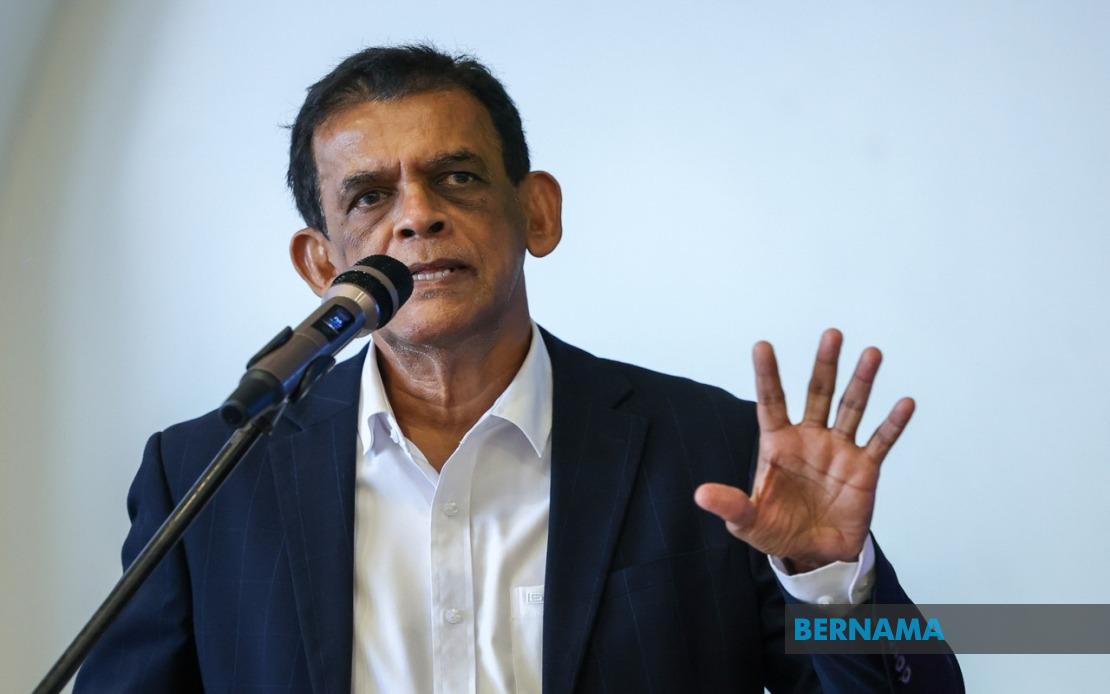
The Malaysian Artistes Association, known as Karyawan, has formally called upon the government to take direct management of the country's music royalty collection and distribution infrastructure, citing persistent systemic failures that have undermined the industry for more than two decades. The proposal emerged as a unanimous resolution from the organisation's annual general meeting, signalling broad consensus among Malaysia's creative community that fundamental reform is overdue. According to Datuk Freddie Fernandez, the association's president, the current fragmented structure has created an environment where artists struggle to receive fair compensation for their creative work, while administrative inefficiencies and lack of transparency continue to erode confidence in the system.
The financial scale of the issue underscores its significance. With public performance royalty collections now approaching RM200 million annually, Malaysia's music sector represents a substantial economic asset that remains largely mismanaged. This substantial revenue stream, which rightfully belongs to songwriters, composers, and recording artists, is instead caught within a complex web of competing interests and inefficient processes. The association argues that such financial flows demand the kind of rigorous oversight and accountability that only government intervention can provide, particularly given the technical sophistication required to track usage across digital platforms and traditional venues.
Karyawan's proposal draws explicitly from Indonesia's experience, where the National Collective Management Institution successfully resolved similar problems by establishing a government-backed centralised system for collecting public performance royalties. The Indonesian model demonstrates that state involvement can create the necessary infrastructure to manage what has become an increasingly complex task in the digital age. Malaysia's music industry, facing comparable challenges to those that plagued Indonesia before reform, could benefit from adopting a comparable institutional framework tailored to local conditions and regulatory requirements.
The core complaint against existing arrangements centres on the absence of meaningful transparency and the disproportionate administrative burden that prevents artists from receiving timely and accurate compensation. Multiple collective management organisations operate simultaneously in Malaysia, creating redundancy, confusion, and opportunities for disputes over rightful distribution. These organisations have historically maintained opaque accounting practices, high overhead costs that eat into artist payments, and inconsistent methodologies for calculating and allocating royalties. For independent artists and smaller labels, navigating this fragmented landscape has proven nearly impossible, while even established figures struggle to access timely accounting and payment of their royalties.
To address these deficiencies, Karyawan has proposed establishing a comprehensive digital royalty management platform operating under government supervision. This platform would function as Malaysia's unified music rights registry and automated distribution system, creating a single source of truth for all musical works, sound recordings, ownership structures, licensing agreements, usage data, collection figures, and payment records. Every transaction would be recorded, verified, and subject to audit by relevant authorities and stakeholders. Such a system would represent a fundamental departure from current practice, introducing the technical standardization and institutional discipline that the industry has lacked.
The proposed digital infrastructure would match each instance of music usage to the legitimate rights holder, enabling automated royalty calculation and distribution based on verified ownership information and actual consumption data. This approach would eliminate the manual processing errors and deliberate obfuscation that currently plague the system. By creating a transparent, auditable record accessible to government agencies, rights holders, music users, and other stakeholders, the platform would establish accountability mechanisms that do not currently exist. Administrative duplication would be substantially reduced, lowering the overhead costs that presently consume a disproportionate share of collected royalties.
An additional benefit highlighted by Fernandez concerns the emerging challenge of artificial intelligence-generated music. Without proactive regulatory frameworks and robust tracking systems, Malaysia risks becoming a jurisdiction where AI-produced content circumvents existing artist protections and royalty obligations. A centralised digital system, properly configured with appropriate protections, could help regulate AI music usage and ensure that human artists retain fair compensation rights even as technology reshapes music creation and distribution. This preventive dimension suggests that timely government action could forestall more serious problems.
The proposal aligns with the Copyright (Collective Management Organisation) Guidelines 2025, a regulatory framework that emphasises strengthened governance, enhanced transparency, improved record-keeping, systematic reporting, and genuine accountability across royalty management operations. These guidelines reflect international best practice and Malaysia's commitment to intellectual property protection. A government-managed system would naturally satisfy these standards more effectively than the current collection of independent organisations operating under varying degrees of oversight and accountability.
The impetus for reform extends beyond abstract principles of good governance. Concrete cases highlight the human costs of system failure. The family of Sudirman Arshad, a legendary Malaysian musician, only recently received RM367,000 in accumulated royalties after years of waiting. This stark example illustrates how the current system delays and diminishes artist compensation for decades. Following this case's public attention, numerous Karyawan members have come forward describing their own experiences of receiving inadequate or delayed royalty payments from record labels, streaming services, and other platforms. The association is currently gathering documentation from affected artists to support potential legal action and negotiate fair resolutions.
These individual cases point to systemic failures affecting both legacy artists and contemporary creators. Record labels have allegedly withheld or inadequately distributed artists' rightful shares from album sales and social media platform usage, suggesting that problems extend beyond the collective management organisations themselves. The issue involves the entire value chain, from content creation through distribution and consumption. A centralised government system could establish clear legal obligations, automated payment mechanisms, and enforcement procedures that would prevent the exploitation that has characterised the current fragmented arrangement.
The timing of Karyawan's formal proposal follows recent developments involving multiple parties—including Karyawan itself, the Intellectual Property Corporation of Malaysia (MyIPO), the Ministry of Domestic Trade and Cost of Living, and the three existing royalty collection bodies (Music Authors' Copyright Protection, Public Performance Malaysia, and Recording Performers Malaysia)—which have pursued legal action against the government. These disputes suggest that the current system has deteriorated to the point where stakeholders see litigation as necessary, rather than seeking negotiated resolution through existing institutions. The formation of explicit government proposals may represent an effort to move the conversation away from courtroom battles toward substantive policy reform.
For Malaysia's broader creative economy, the implications are significant. A functional royalty system that reliably compensates artists and creators strengthens incentives for artistic production and investment in the music industry. Regional competitors like Indonesia have demonstrated that government-led reform can create conditions where creative workers receive fairer compensation and the industry develops more sustainably. Malaysia's music sector, with its considerable cultural heritage and contemporary talent, could similarly flourish under a reformed system that prioritises transparency and artist welfare.
The path forward requires political will and coordinated action across government agencies, existing collection organisations, and industry stakeholders. Karyawan's proposal provides a concrete model—tested in Indonesia and informed by Malaysian circumstances—that could form the foundation for meaningful reform. Whether policymakers will embrace substantial government involvement remains uncertain, but the scale of current problems and the broad consensus evidenced by Karyawan's unanimous resolution suggest that maintaining the status quo is increasingly untenable.

