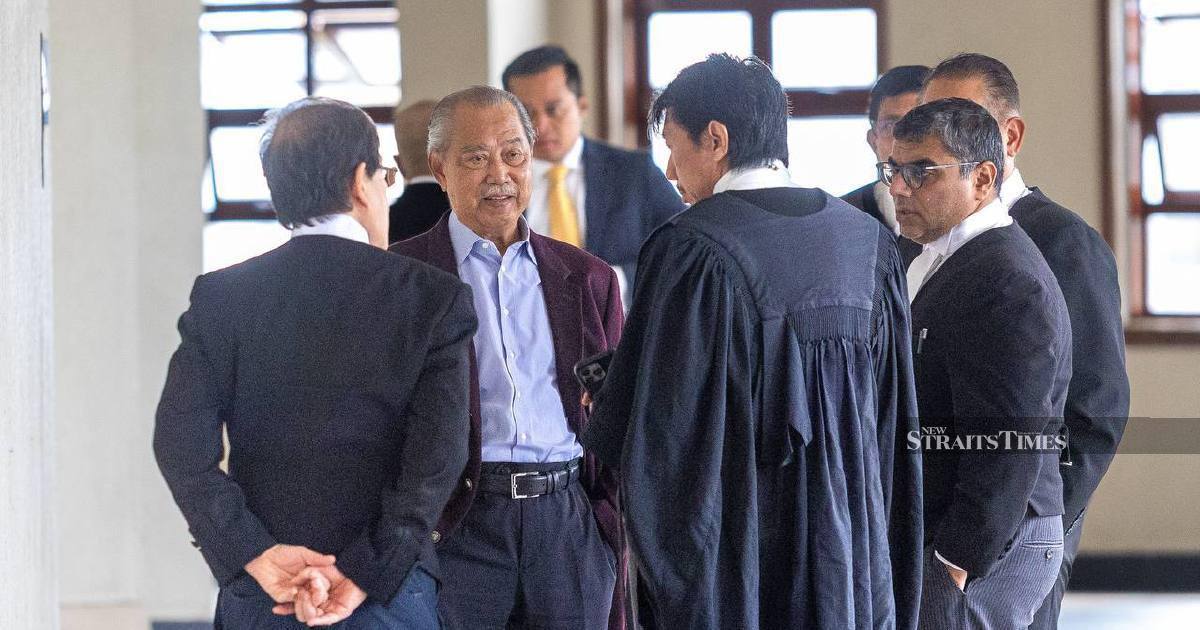
The Jana Wibawa case took on fresh significance as the High Court in Kuala Lumpur learned that KCJ Engineering—the construction and engineering firm allegedly at the centre of a substantial political donation—had initially stumbled at a preliminary technical assessment stage, raising questions about the company's operational capacity during the period in question.
According to testimony presented to the court, KCJ Engineering encountered substantial technical hurdles when subjected to preliminary evaluation procedures. The assessment, which forms a standard gatekeeping mechanism for construction and engineering ventures in Malaysia, flagged serious concerns about the contractor's track record of project execution. Most significantly, the company was deemed to have failed this crucial initial vetting because of what court proceedings characterised as unsatisfactory work performance across its portfolio.
The presence of what the court heard described as 'sick' projects—industry terminology for troubled, delayed, or underperforming construction ventures—weighed heavily against the firm's credibility. These problematic undertakings suggested that KCJ Engineering had struggled to meet contractual obligations, maintain quality standards, or adhere to project timelines on previous assignments. Such failures typically serve as red flags for clients and regulatory bodies assessing whether a contractor possesses sufficient operational competence to handle future work.
The timing of this revelation carries particular weight in understanding the Jana Wibawa investigation. The allegation that KCJ Engineering contributed RM800,000 to Bersatu—a political party that has featured prominently in Malaysian politics over recent years—becomes more scrutinised when viewed alongside evidence suggesting the company faced structural challenges in executing construction work properly. For Malaysian readers following this case, such context underscores broader concerns about corporate governance and the relationship between private sector entities and political organisations.
KCJ Engineering's failure to clear preliminary assessments raises fundamental questions about how the company maintained operations and secured contracts despite apparent technical deficiencies. In Malaysia's construction sector, preliminary assessments typically represent foundational requirements; companies that cannot satisfy these baseline standards often struggle to access major projects through legitimate procurement channels. The court's disclosure of this information suggests investigators and prosecutors believe this background context illuminates the broader Jana Wibawa investigation.
The High Court proceedings focused on establishing a comprehensive timeline and factual foundation for allegations that have attracted considerable public interest. By presenting evidence about KCJ Engineering's preliminary assessment failure, prosecutors appear to be building a narrative about the company's circumstances during the period when the alleged political donation occurred. This approach allows the court to weigh whether a company with documented operational difficulties might have had particular motivations or pressures influencing its alleged conduct.
For Southeast Asian business observers, the Jana Wibawa case illustrates ongoing tensions between corporate practices and political accountability in the region. Malaysia, like several neighbouring jurisdictions, has grappled with questions about how private companies interface with political organisations, and whether donations and contracts become intertwined. The detailed examination of KCJ Engineering's technical competence therefore serves a broader investigative purpose, establishing whether the firm operated within normal commercial parameters or faced circumstances that might have driven it toward arrangements with political entities.
The revelation about failed preliminary assessments also carries implications for Malaysia's regulatory framework governing construction and engineering contractors. When companies that cannot satisfy basic technical standards nonetheless remain operational and apparently secure funding for substantial political contributions, it suggests potential gaps in oversight mechanisms or monitoring practices. These governance questions resonate across Southeast Asia, where similar challenges regarding contractor regulation and corporate accountability persist.
As the High Court case progresses, the technical background of KCJ Engineering appears destined to remain central to understanding the financial flows investigators have examined. The company's documented struggles with preliminary assessments provide context for assessing whether it possessed independent financial capacity to make the alleged RM800,000 donation or whether such funds originated from other sources. This distinction carries significant legal and political implications.
The Jana Wibawa investigation, encompassing the alleged political donation by KCJ Engineering, represents part of Malaysia's broader effort to examine political financing and corporate accountability. The High Court's examination of preliminary assessment failures demonstrates how investigative authorities piece together evidence from multiple operational and regulatory domains. For Malaysian observers interested in corporate governance and political transparency, this case continues revealing the intricate relationship between business performance, financial resources, and political engagement in contemporary Malaysia.

