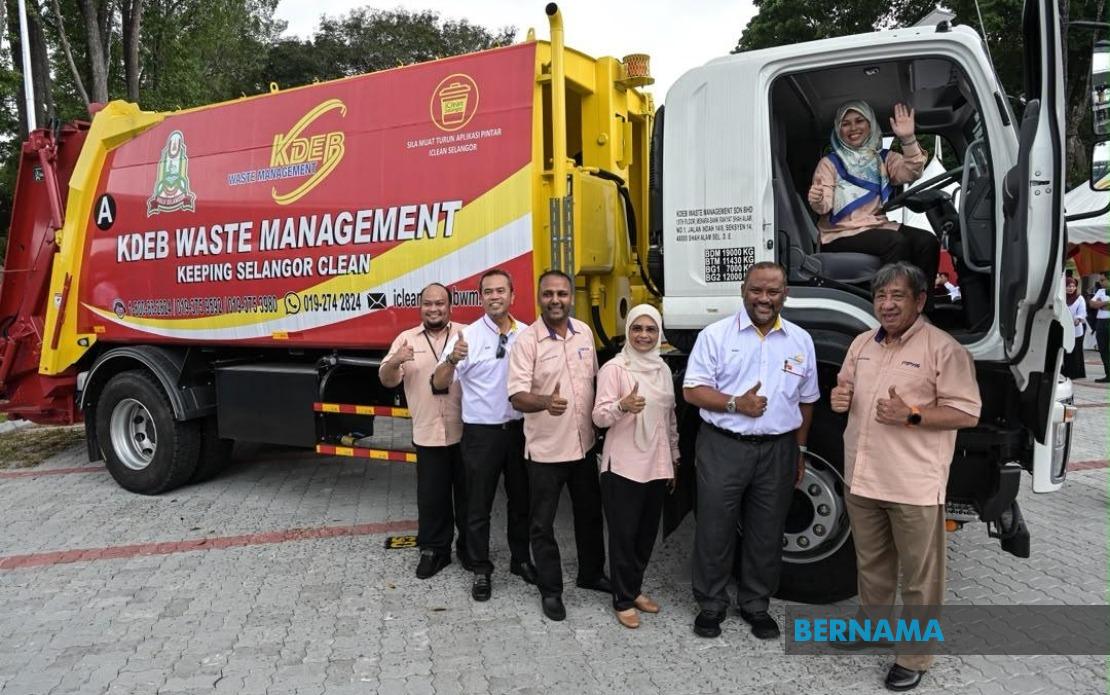
KDEB Waste Management (KDEBWM) has significantly bolstered its operational capacity in Hulu Selangor by deploying 33 new compactor lorries, marking a fresh phase in the municipal council's waste management infrastructure. The fleet handover follows the commencement of a renewed seven-year service agreement with Hulu Selangor Municipal Council (MPHS) on July 1, representing a substantial investment in waste collection capabilities across the district.
The newly acquired vehicles represent a technological upgrade across multiple manufacturer brands. The fleet comprises 18 Isuzu lorries, five Mitsubishi Fuso models, and 10 UD Trucks, each fitted with modern compaction technology designed to optimise collection routes and maximise load capacity. According to KDEBWM Managing Director Datuk Ramli Mohd Tahir, these specifications have been carefully selected to enhance operational efficiency while maintaining safety standards and environmental compliance throughout the contract period extending until June 30, 2033.
This partnership renewal underscores the continuity of a working relationship that has spanned multiple contract cycles. KDEBWM's initial engagement with MPHS commenced in 2018, and the organisation's reselection for another seven-year term reflects performance assessments and service delivery metrics that satisfied municipal leadership. The cumulative experience from the previous contract has informed current operational strategies and infrastructure decisions.
Waste collection volumes in the district have demonstrated considerable growth, indicating both population increases and improved collection methodologies. During the initial seven-year contract period, daily waste collection averaged between 100 and 150 tonnes. Current projections, however, estimate processing rates between 150 and 250 tonnes daily, with potential to reach 300 tonnes under full operational capacity. This expansion trajectory necessitated enhanced fleet resources to maintain service reliability and collection schedules.
The financial framework governing this extended arrangement reflects a substantial municipal commitment to waste management infrastructure. The MPHS-KDEBWM partnership is valued at RM117.2 million across the seven-year contract duration, translating to approximately RM16.7 million in annual expenditure. This investment scale positions waste management as a significant municipal budget allocation, comparable to other essential services that require substantial ongoing investment.
Beyond domestic waste collection, KDEBWM and MPHS have coordinated a complementary industrial waste management programme targeting small and medium enterprises throughout the district. This initiative extends waste management services beyond residential areas, facilitating environmental compliance for business establishments through designated concession panel operators. The integrated approach addresses multiple waste streams, acknowledging that comprehensive municipal waste management requires solutions tailored to both residential and commercial waste generation patterns.
A fundamental operational change has accompanied this contract renewal. MPHS implemented a door-to-door solid waste collection system commencing July 1, replacing previous infrastructure arrangements. Under this new methodology, KDEBWM contractors directly retrieve waste from residential and commercial premises according to scheduled collection times, rather than relying upon centralised collection points. This transition requires community adaptation and compliance with updated waste presentation standards.
The new collection system mandates specific waste containerisation requirements designed to enhance operational efficiency and environmental protection. Residents must furnish covered waste bins with minimum capacity of 120 litres, labelled with house or lot numbers to facilitate accurate collection and prevent mix-ups during transfers. This requirement eliminates previous leach bin arrangements, modernising the waste presentation infrastructure across residential areas. Domestic waste must be contained within plastic garbage bags, securely tied before placement in bins, maintaining closed lids to prevent pest access and rainwater infiltration.
These operational modifications reflect evolving best practices in municipal waste management. The emphasis on contained waste presentation protects collection workers from exposure to loose refuse and reduces environmental contamination during transport. Standardised labelling prevents collection errors that could disrupt service to specific households. For Malaysian municipalities grappling with rapid urbanisation and increasing waste generation, such systematic approaches offer scalable models demonstrating how fleet modernisation and operational procedure enhancement can simultaneously improve service quality and worker safety.
MPHS President Julaiahah Jamaludin's involvement in the contract handover ceremony signals municipal leadership's prioritisation of waste management infrastructure. Alongside KDEBWM management, municipal officials have actively communicated the operational changes to ensure community awareness regarding new collection procedures and waste presentation requirements. This coordination emphasises that successful waste management depends upon both service provider capacity and community compliance with operational parameters.
For Hulu Selangor residents and businesses, the expanded fleet represents improved collection reliability and more frequent service availability. The enhanced capacity accommodates growing waste volumes without extending collection intervals or reducing service frequency. For broader Selangor development, this municipal investment demonstrates commitment to environmental infrastructure supporting the state's economic expansion. Effective waste management enables sustainable growth by mitigating environmental degradation and health risks associated with inadequate refuse handling.
The seven-year contract timeline through 2033 provides KDEBWM operational stability for long-term planning, vehicle maintenance scheduling, and workforce development. For MPHS, the extended agreement ensures service continuity while allowing periodic performance monitoring and adjustment mechanisms. Such multi-year arrangements have become standard practice across Malaysian municipalities recognising that waste management requires substantial capital investment and sustained operational commitment beyond single electoral cycles.

