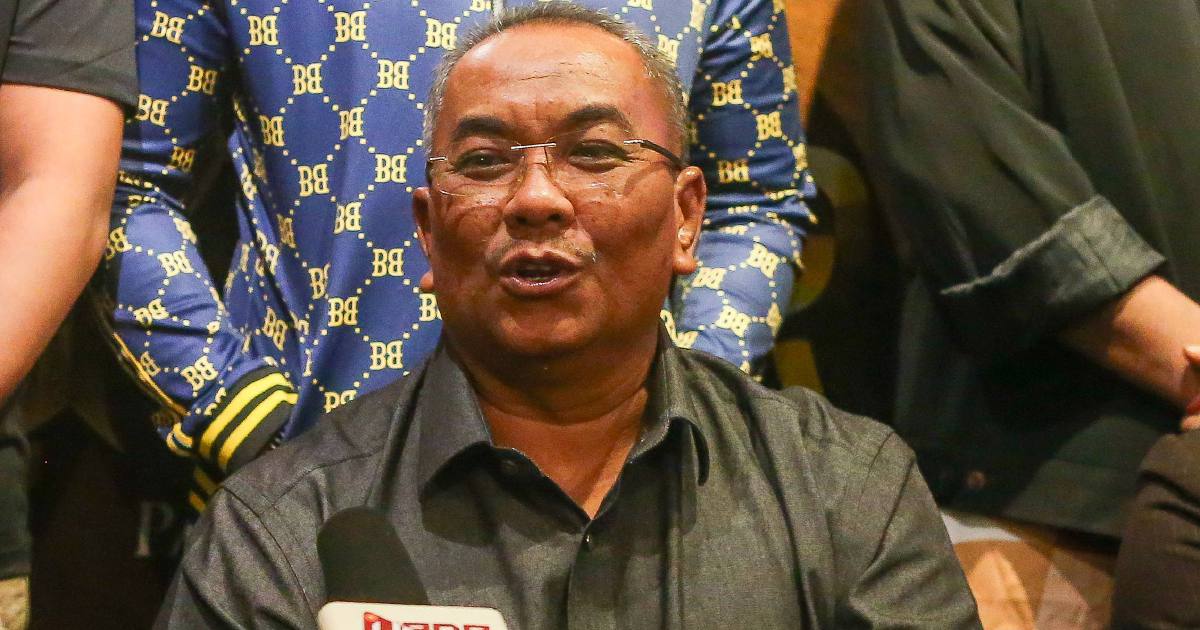
Kedah Menteri Besar Datuk Seri Muhammad Sanusi Md Nor has taken legal action against DAP deputy chairman Nga Kor Ming and two other individuals, issuing formal letters of demand over what he contends were distortions of his remarks at a recent public ceramah held in Negri Sembilan. The move represents an escalation in political tensions between the state leadership and the opposition Democratic Action Party, signalling deepening acrimony over campaign messaging ahead of crucial electoral contests.
The letters of demand constitute a formal legal step preceding potential litigation, serving as official notice that the recipients have allegedly breached legal obligations through their statements or actions. In Malaysian political discourse, such demands are frequently deployed when public figures believe their words have been deliberately misrepresented in ways that damage their reputation or character. The recipients are typically afforded a designated period to respond, retract statements, or face further legal consequences.
Datuk Seri Sanusi's action underscores the contentious nature of campaign discourse in Malaysia's multi-party democracy, where rhetorical battles frequently spill from street-level politics into courtrooms. The Kedah leader, who has proven a prominent and vocal figure within the ruling coalition, has previously engaged in public disputes with opposition figures over the interpretation and context of political statements. This particular incident appears rooted in disagreements over how his ceramah comments were subsequently reported or referenced by the DAP contingent.
Nga Kor Ming's position as DAP deputy chairman places the party leadership directly in the crosshairs of this dispute, potentially implying broader party involvement in the alleged misquotation rather than individual misstatement. The DAP, as Malaysia's largest Chinese-based political party and a key opposition coalition component, has maintained a substantial grassroots messaging operation, particularly through social media platforms where rapid dissemination of political narratives occurs. Such dynamics can create situations where statements undergo transformation through multiple retellings before reaching broader audiences.
The involvement of two additional individuals alongside Nga suggests a coordinated effort to spread the disputed claims, or possibly that the allegations concern statements made across multiple platforms or forums. Without comprehensive details on the identities of the other recipients, the pattern indicates that Datuk Seri Sanusi's legal team views the matter as involving systematic misrepresentation rather than isolated commentary. This framing strengthens the legal argument by demonstrating potential defamatory intent or coordinated action to damage his political standing.
Negri Sembilan, the location where the original ceramah transpired, represents strategic terrain for Malaysian coalition politics. As a traditionally competitive state with swinging voter demographics, public rallies and campaign messaging carry particular weight in shaping electoral outcomes. Comments made during such events frequently become flashpoints for political disagreement, as opposing camps attempt to characterise the same statements through vastly different interpretative lenses. What one side presents as principled policy positions, the other frames as gaffes or problematic utterances requiring public clarification.
The timing of this dispute warrants consideration within Malaysia's broader political calendar. With electoral cycles approaching and coalition politics remaining fluid, such public confrontations serve multiple purposes beyond their surface legal dimensions. They generate media attention, energise party supporters, and position leaders as defenders of their public records against opposition distortion. For Datuk Seri Sanusi specifically, the action reinforces his image as willing to deploy legal mechanisms to protect his political interests and reputation.
From a legal standpoint, letters of demand function as documentation of the recipient's alleged wrongdoing and the demanding party's formal objection. Malaysian defamation law, drawing from English common law traditions, provides pathways for public figures to seek remedies through both civil and criminal mechanisms. The effectiveness of such demands depends substantially on the strength of evidence supporting the distortion allegations and whether the disputed statements constituted factual claims or matters of political opinion—a distinction courts examine closely when evaluating defamation cases.
For Southeast Asian observers, this incident reflects broader patterns in the region where political disputes increasingly migrate into legal venues. As democratic institutions mature across Southeast Asia, opposition parties and ruling figures routinely challenge each other through courts alongside conventional political channels. Malaysia's legal system, encompassing both Islamic and civil law components, provides multiple avenues for such recourse, though outcomes remain dependent on judicial interpretation of complex political speech protections versus defamation standards.
The response from Nga Kor Ming and the DAP to these demand letters will likely prove instructive for gauging opposition resilience and strategy. Retraction risks undermining their credibility with supporters, whilst steadfast refusal invites further legal escalation. The party's communications approach in coming weeks will shape how Malaysian voters perceive the underlying dispute and, more broadly, which coalition appears more willing to engage honestly with political opponents.
This confrontation also illuminates the challenges facing Malaysian journalism and political discourse more generally. When major political figures disagree fundamentally over what was said and how it should be interpreted, media outlets face difficult decisions about reporting responsibility and the risk of inadvertently amplifying disputed claims. The proliferation of social media platforms has democratised political messaging whilst simultaneously reducing gatekeeping, creating conditions where misquotations spread rapidly before correction mechanisms can operate effectively.

