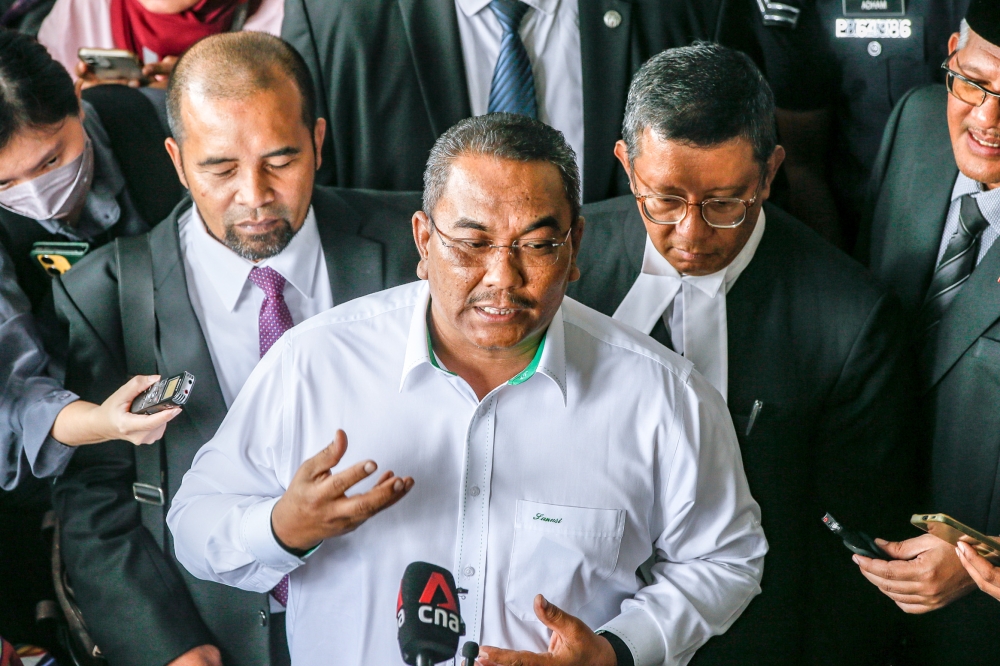
Kedah Menteri Besar Datuk Seri Muhammad Sanusi Md Nor has escalated political tensions in the state by issuing formal letters of demand to three individuals, including prominent DAP politician Nga Kor Ming, over what he characterises as deliberate distortion of his public statements. The legal notices demand retractions and compensation, marking an intensification of dispute resolution methods beyond typical political discourse. This move reflects deepening friction between Kedah's state leadership and opposition figures, with implications for cross-party relations across Malaysia's northern region.
The core of the dispute centres on remarks attributed to Sanusi that the recipients allegedly misquoted or reinterpreted to damage his political standing. Rather than engaging in public rebuttals alone, the Kedah chief has chosen the formal legal pathway, signalling serious intent to contest the characterisations and establish a documented record of his objections. This strategy mirrors broader trends among Malaysian politicians who increasingly employ defamation and misrepresentation claims to counter narratives they view as harmful or false.
Nga Kor Ming, a senior DAP figure with significant political influence in the peninsula, stands among the three recipients of these legal demands. The targeting of a politician of his stature suggests Sanusi views the alleged distortion as significant enough to warrant formal legal action, rather than treating it as routine opposition criticism. Such confrontations between state-level executives and national opposition leaders often reverberate through party structures and influence coalition dynamics in parliament.
The specific nature of the alleged misrepresentations appears linked to statements Sanusi made regarding federal funding allocations or disbursement to Kedah. These matters carry substantial weight in Malaysian politics, as federal-state financial relationships determine developmental capacity and political credibility. When such statements become contested terrain, the implications extend beyond individual credibility to affect perceptions of governance and resource distribution fairness.
Letters of demand represent a preliminary legal mechanism commonly employed in Malaysian civil procedure, serving as formal notice before potential litigation. They establish documentary evidence of disputes and often precede court action if recipients fail to comply. From a strategic perspective, issuing such letters creates a legal record and demonstrates willingness to pursue formal remedies, potentially influencing how other politicians assess the risks of similar public statements.
The broader political context matters considerably here. Kedah remains a significant state within Malaysia's federal structure, and relations between the state government and opposition parties affect broader national political calculations. DAP's presence as both a state actor and parliamentary force means disputes at the Kedah level can influence national coalition politics and parliamentary dynamics. Any sustained legal battle between Sanusi and DAP figures would likely draw heightened attention from their respective party leaderships and allies.
For Malaysian readers and observers, this incident illustrates how political disputes increasingly migrate toward legal frameworks. Rather than settling disagreements through traditional political channels—media statements, public debates, or party-level mediation—figures now regularly employ defamation law and formal legal demands. This shift has consequences for political discourse, potentially chilling certain forms of public criticism while encouraging others to pursue legal remedies for statements they view as damaging.
The response from Nga Kor Ming and the other recipients remains unclear at this stage, but DAP has historically defended its politicians against such claims and may coordinate a response through the party apparatus. Whether the matter proceeds to actual litigation or resolves through negotiation will significantly affect how this episode influences Kedah politics and federal-state relations. The precedent established—if Sanusi successfully pursues the demand—could encourage other political figures to adopt similar tactics.
For Southeast Asian context, Malaysia's approach to political disputes reflects patterns seen across the region, where legal mechanisms sometimes substitute for purely political resolution. However, the use of letters of demand and potential defamation suits in inter-party politics remains contentious, with civil liberties advocates concerned about potential impacts on political expression and public discourse.
The incident also raises questions about the burden of proof and standards for evaluating whether public statements constitute genuine distortion or legitimate political disagreement. In heated political environments, distinguishing between misrepresentation requiring legal remedies and ordinary opposition critique becomes complicated, potentially leading to litigation inflation if leaders routinely pursue legal action over disputed interpretations of their remarks.
Looking ahead, whether Sanusi's letters of demand achieve their stated objectives—securing retractions and compensation—depends on legal assessments and the recipients' positions. If unresolved, the matter could proceed to courts, where judges would evaluate competing claims about what Sanusi actually stated and whether subsequent characterisations constituted actionable misrepresentation. Such litigation would also consume political energy and resources that might otherwise direct toward governance and policy matters affecting Kedah citizens.

