The cabin environment at cruising altitude presents a uniquely challenging setting for skin health, with moisture levels dropping to just a fraction of what our skin experiences on the ground. For Malaysian travellers who regularly take regional flights to Singapore, Bangkok, or longer journeys to Australia and Europe, understanding the physiological impact of aviation on skin becomes increasingly relevant. The problem stems from a dramatic shift in cabin humidity—aircraft maintain levels between 10% and 20%, compared to the typical 40% to 60% found in normal terrestrial environments. This stark difference triggers what dermatologists call transepidermal water loss, a process where the skin's outer layers lose moisture at an accelerated rate, leaving complexions feeling tight, appearing dull, and becoming noticeably dehydrated by journey's end.
The severity of in-flight skin challenges correlates directly with flight duration, making long-haul international travel from Malaysia particularly problematic for skin maintenance. Short regional hops may present manageable cosmetic concerns, but extended flights crossing multiple time zones compound the dehydration effect substantially. Dermatologists increasingly recommend anticipatory skincare rather than reactive treatment, suggesting that preparation before boarding proves more effective than attempting intensive repairs mid-flight. This pre-flight strategy involves adjusting your regular skincare regimen in the days preceding travel, specifically by enhancing moisture-binding ingredients while temporarily eliminating products that could compromise the skin barrier during the journey ahead.
One critical mistake many travellers make involves continuing their standard skincare protocols unchanged before flying. Active ingredients commonly found in anti-ageing and acne-fighting products—including alpha hydroxy acids, beta hydroxy acids, and retinol compounds—can increase skin sensitivity and accelerate moisture loss during air travel. Dermatologists suggest pausing these potent actives for at least 24 to 48 hours before boarding, prioritising hydration over other skincare objectives. This temporary rebalancing proves counterintuitive for those with naturally oily skin types, who often assume their skin will remain problematic at altitude. However, the cabin environment overrides typical skin behaviour; even oily complexions experience predominantly dryness concerns during flights, making it essential to shift focus entirely toward moisture retention regardless of your usual skin classification.
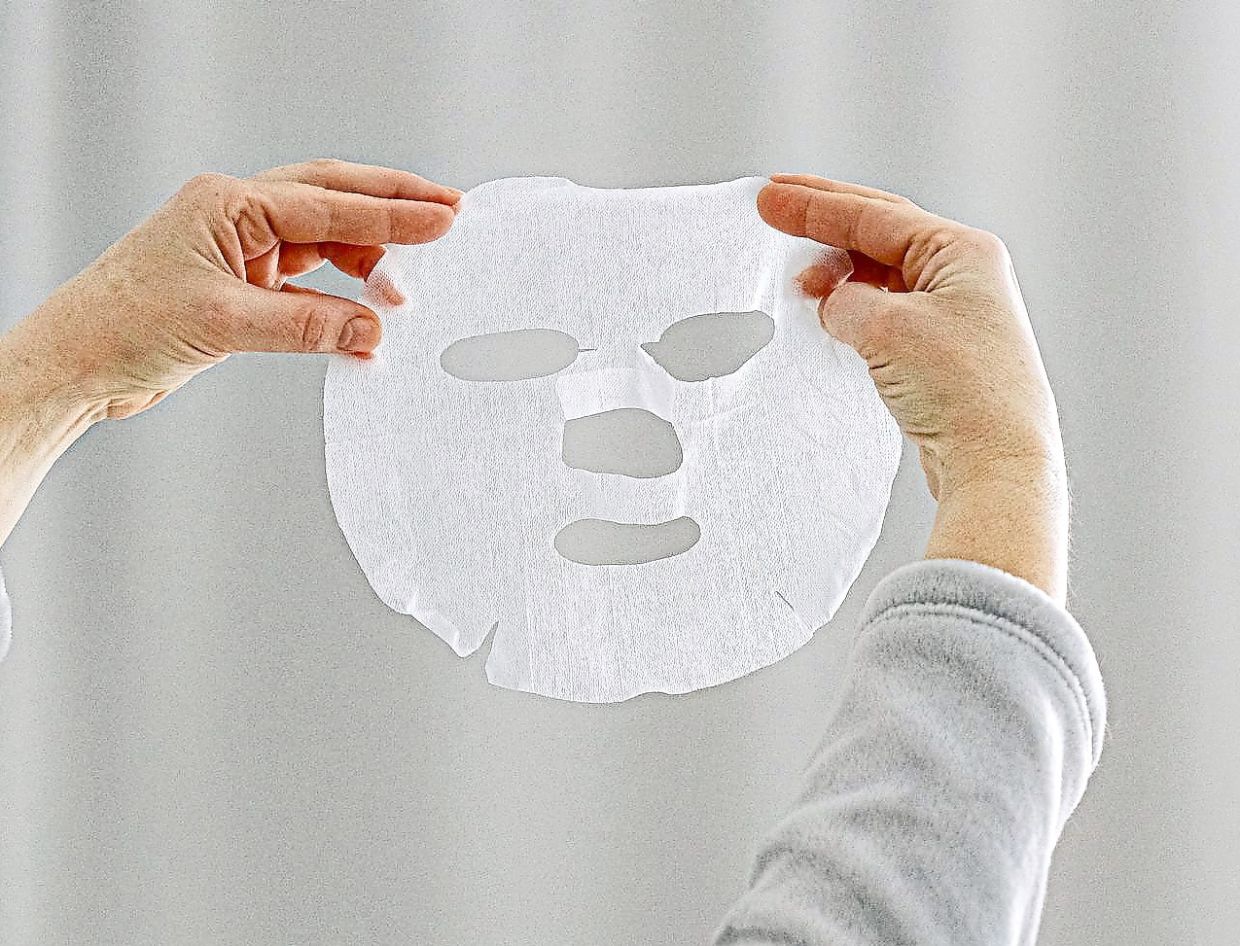
The elaborate multi-step skincare routines circulating on social media platforms like Instagram and TikTok—featuring sheet masks, multiple serums, and complex layering sequences—appeal aesthetically but present practical disadvantages in the confined aircraft environment. Beyond the theatrical appeal, these elaborate regimens raise hygiene concerns in spaces where sanitation cannot be guaranteed, potentially introducing bacteria or irritants to already-compromised skin. Dermatologists increasingly advocate for deliberate simplicity, emphasising that overloading skin with excessive products can paradoxically trigger heightened sensitivity and congestion. An effective in-flight routine centres on three core components: thorough cleansing using micellar water applied to disposable pads (avoiding abrasive makeup wipes that intensify moisture loss), application of a quality hydrating serum, and sealing with an appropriate moisturiser followed by broad-spectrum sunscreen for daytime flights.
The science of effective hydration involves understanding humectants—molecules that actively attract and bind water molecules to the skin's surface. Glycerin and hyaluronic acid represent the foundational humectants recommended by dermatologists, offering proven efficacy in moisture retention without unnecessary complexity. Panthenol, a derivative of the B vitamin family, functions similarly while providing additional anti-inflammatory benefits particularly valuable in the irritation-prone aircraft environment. Emerging ingredients like ectoin demonstrate promise as barrier-enhancing compounds with inherent anti-inflammatory properties, while ceramides remain established components of effective moisturising formulations. Rather than pursuing novel or expensive specialist products, dermatologists emphasise that any quality moisturiser significantly outperforms the alternative of no moisturiser whatsoever; the fundamental principle of moisture layering matters far more than specific brand selection or ingredient prestige.
The sequence of application carries equal importance to product selection when managing in-flight hydration. After cleansing with micellar water, applying a hydrating serum containing humectants creates a foundation layer that attracts moisture to the skin. Following this with a richer moisturiser serves the critical function of creating an occlusive barrier, preventing the moisture captured by humectants from evaporating back into the aircraft's dry air. Without this sealing step, the hydrating benefits dissipate rapidly, leaving skin even more dehydrated than before treatment. For daytime flights, sunscreen application completes the routine, with reapplication recommended every four to five hours despite aircraft windows filtering certain UV wavelengths; the cumulative sun exposure during lengthy flights, combined with increased exposure immediately upon landing in tropical destinations, justifies consistent protection throughout and after the journey.
Internal hydration through increased water consumption works synergistically with topical skincare efforts, though many travellers underestimate this foundational component. Drinking substantially more water than typical daily intake during flights addresses dehydration at a systemic level, supporting skin hydration from within while offsetting the moisture-depleting cabin atmosphere. Simultaneously, certain consumables actively worsen in-flight dehydration and should be avoided or minimised. Alcohol consumption accelerates overall dehydration through diuretic effects, while salty snacks intensify the body's fluid requirements and can trigger inflammation in already-stressed skin. The combination of increased water intake with reduced alcohol and salty food consumption represents a holistic approach that delivers measurable improvements in skin condition by flight's end, particularly over the course of long-haul journeys of eight hours or more.
Cosmetic application during flights requires reconsideration of normal standards and practices. While light makeup application remains acceptable, excessive foundation, powder, or contouring products can clog pores and create congestion in already-compromised skin environments. The combination of makeup residue, reduced cleansing frequency during flights, and dramatically lowered cabin humidity creates conditions conducive to bacterial growth and inflammatory skin reactions. Many dermatologists recommend minimal or no makeup during air travel, or alternatively, using only lightweight tinted moisturisers that provide coverage without occlusive effects. This temporary aesthetic compromise during the flight itself prevents the compromised skin condition that results from heavy makeup application in cabin conditions, ultimately producing superior appearance upon arrival at your destination.
Post-flight skincare recovery deserves equal attention to in-flight maintenance, particularly for travellers arriving in sun-intensive destinations. Even if sunscreen application during flight seemed unnecessary, applying broad-spectrum protection immediately upon disembarking becomes critical, as UV exposure increases substantially in outdoor environments, especially in tropical regions. The skin's barrier function remains compromised following air travel, increasing vulnerability to sun damage and photosensitivity reactions. Continuing enhanced moisturisation routines for several days following arrival supports full barrier recovery and prevents the delayed onset of severe dehydration symptoms that sometimes emerge 24 to 48 hours post-flight. This extended recovery period acknowledges that in-flight skin stress produces cumulative effects that require time and consistent nurturing to fully resolve.
For Malaysian business travellers and holiday-makers, incorporating these evidence-based practices into regular travel routines transforms the flight experience and arrival condition. The investment required—purchasing appropriate hydrating serums and moisturisers suited to your skin type—proves minimal compared to the cosmetic and comfort benefits of arriving with healthy, well-hydrated skin rather than the tight, dull, dehydrated complexion typical of unprepared air travel. Southeast Asian humidity makes proper post-flight skincare recovery particularly important, as the transition from extremely dry aircraft cabins to tropical climates can trigger reactive inflammation if skin hasn't been properly prepared and protected. By treating in-flight skincare with the same intentionality applied to other travel preparations, Malaysian travellers can ensure their skin remains an asset rather than becoming a concern throughout their journey.

