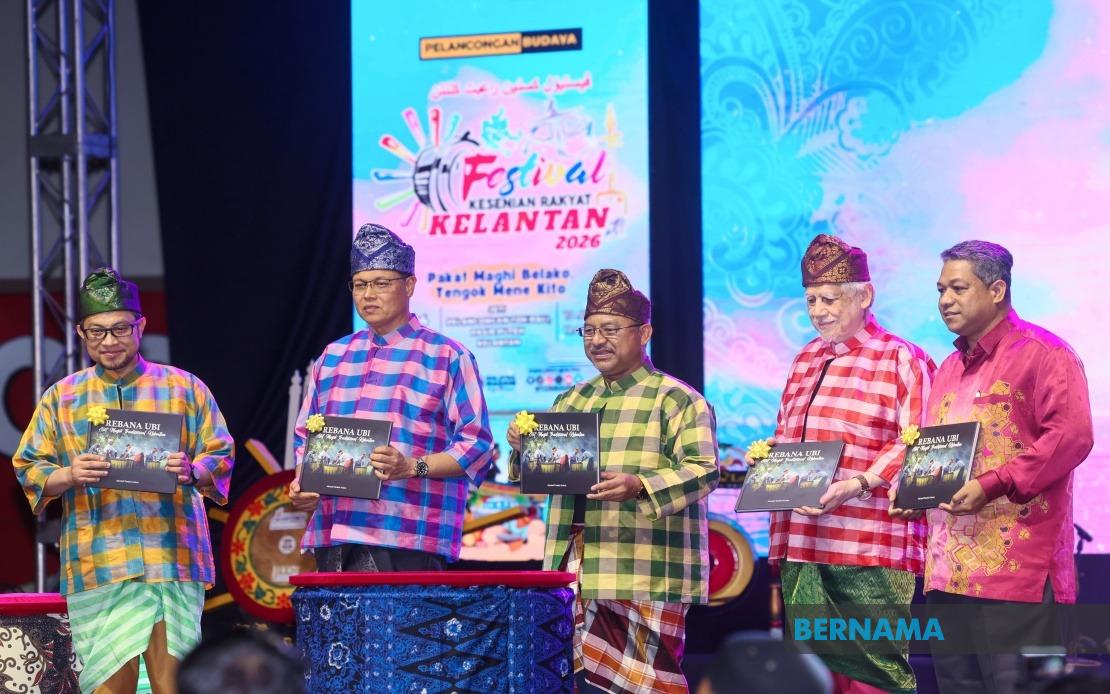
The Kelantan Arts Festival (FKRK) 2026, which unfolded across four days at Tok Bali Tourism Jetty in Pasir Puteh from July 1 to 4, emerged as a significant cultural gathering that reinforced social cohesion while honouring the distinctive artistic traditions of the northeastern state. Organised by the Ministry of Tourism, Arts and Culture (MOTAC) through the National Department for Culture and Arts (JKKN), the festival served as a deliberate expression of Malaysia MADANI principles, demonstrating how cultural programming can bridge communities and celebrate shared heritage.
At the heart of the festival was the 'Titih Bonda Pusaka Ayahanda' special performance, which employed multi-racial percussion ensembles as a deliberate statement about social harmony and inter-communal understanding. This artistic choice reflected a deeper recognition that Kelantan's identity, while rooted in Malay-Muslim traditions, gains richness through the participation and acknowledgment of diverse musical and cultural influences. The performance brought together an impressive roster of established artists including Roy Kapilla, Amy Search, Datuk Dr Lim Swee Tin, Paksu Agil, Megat Haikal, Zamry Gerak Khas, and Joe Rajuna, alongside traditional ensembles such as the Dikir Barat Kala Mahajara group and the Mak Yong Kijang Mas troupe.
The festival's programming extended well beyond headline performances, incorporating participatory activities that engaged visitors directly with Kelantan's living cultural traditions. Children competed in traditional dance competitions, creating opportunities for younger generations to connect with ancestral art forms, while the Mek and Awe Comey competition, functioning as a traditional costume fashion showcase, demonstrated how heritage garments remain vibrant elements of contemporary cultural expression. The ADABI cooking competition invited participants to explore the culinary dimensions of Kelantan's cultural identity, recognising that food preparation and tradition are inseparable aspects of heritage preservation.
Interactive folk sports demonstrations constituted another vital component of the festival experience, allowing attendees to learn and practise games and physical activities that have defined community life in Kelantan for generations. These hands-on activities served a dual purpose: preserving knowledge about traditional recreational practices while creating moments of shared enjoyment that transcended age, ethnicity, and social background. Such programming acknowledges that cultural heritage exists not merely in museums or formal performances but in the everyday practices and communal activities that define a region's identity.
The festival incorporated a community feast as a central feature, recognising the profound cultural significance of shared meals in Malaysian and Southeast Asian societies. Communal dining serves as both a practical expression of unity and a symbolic statement about belonging and inclusion. This element distinguished FKRK 2026 from purely performance-focused cultural events, grounding the celebration in lived experience and collective participation rather than passive spectatorship.
Craft product sales and exhibitions occupied prominent space at the festival grounds, creating a marketplace for local artisans and traditional craftspeople. This commercial dimension extended beyond mere consumption, functioning as an economic support mechanism for cultural practitioners who might otherwise struggle to sustain their trades in contemporary markets. Government agencies and non-governmental organisations participated through exhibitions, signalling institutional commitment to cultural preservation and providing platforms for civil society engagement with heritage issues.
The festival's official theme encapsulated its broader mission, articulated clearly by Tourism, Arts and Culture Ministry secretary-general Datuk Shaharuddin Abu Sohot, though the specific thematic statement was truncated in available records. Regardless, the overall conception of FKRK 2026 reflected a systematic approach to using cultural programming as a mechanism for achieving national policy objectives around social cohesion and inclusive development.
Organisational structure revealed the multi-layered governance approach characteristic of major Malaysian cultural initiatives. MOTAC, operating through JKKN, collaborated with the Kelantan state government and commercial partner Nasrom Travel Sdn Bhd, receiving logistical support from the Pasir Puteh Land and District Office and Pasir Puteh District Council. This distributed responsibility model ensured both national policy alignment and local administrative involvement, creating accountability structures that bridged state and federal interests.
The opening ceremony, officiated by Kelantan Menteri Besar Datuk Mohd Nassuruddin Daud and attended by State Tourism, Culture, Arts and Heritage Committee chairman Datuk Kamarudin Md Nor alongside JKKN director-general Mohd Amran Mohd Haris, conveyed the political significance attached to cultural programming in Malaysian governance. High-level official attendance at such events signals that arts and heritage are treated as legitimate policy domains worthy of sustained government attention, rather than peripheral concerns or marginal social activities.
For Malaysian audiences, particularly those in states beyond Kelantan, FKRK 2026 offers instructive lessons about sustainable approaches to cultural preservation. Rather than treating heritage as static artefact requiring museum protection, the festival demonstrated how traditional forms can remain dynamic, participatory, and socially relevant when programming emphasises community involvement, intergenerational transmission, and contemporary commercial viability for practitioners. The festival model, combining performance excellence with grassroots participation, craft commerce, and explicit symbolic messaging about inter-communal harmony, provides a replicable template for other Malaysian states interested in systematic cultural development.
Moreover, the festival's location in Pasir Puteh, at a tourism jetty, reflects strategic thinking about cultural programming's relationship to economic development and visitor attraction. By anchoring heritage celebrations to tourism infrastructure, the festival potentially creates sustainable economic incentives for ongoing cultural preservation while introducing visitors to regional traditions they might not otherwise encounter. This integration of culture with tourism represents an increasingly important strategy for Southeast Asian destinations seeking to differentiate themselves in competitive global markets while simultaneously addressing preservation challenges.

