Recognising that athletic talent alone cannot sustain long-term career prospects, Kelantan has established a collaborative framework to enable its sportspeople to pursue tertiary qualifications whilst maintaining their sporting pursuits. The Kelantan Sports Council is partnering with Yayasan Kelantan Darulnaim (YAKIN) to administer educational financing arrangements for athletes enrolling at public universities, marking a deliberate pivot towards holistic athlete development in the state.
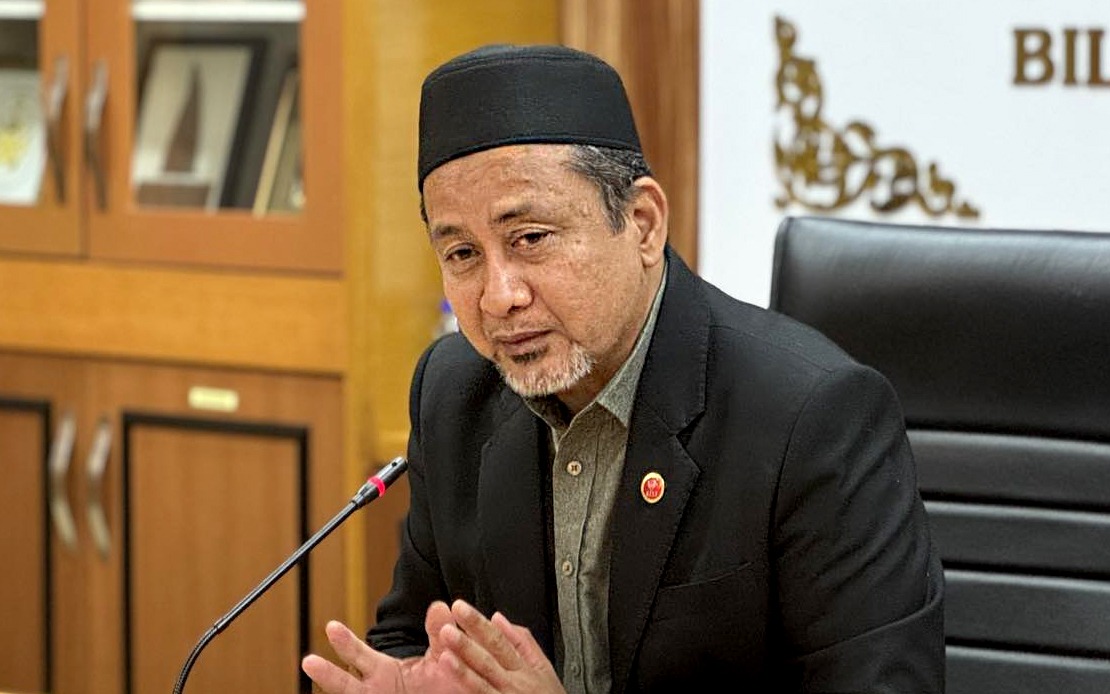
Zamakhshari Muhamad, the state's Youth, Sports, NGOs and Community Unity Committee chairman, explained that the initiative reflects a strategic decision to position education as equally important to athletic achievement within Kelantan's sports ecosystem. Rather than treating academic pursuits as secondary to sporting ambitions, the state government acknowledges that athletes require stable career pathways beyond their competitive years. This approach mirrors international best practices where leading sports nations invest in dual-track development programmes that protect athletes from the precarity of depending solely on sporting income.
The educational support scheme comprises two principal mechanisms. Athletes demonstrating potential and commitment to tertiary education will access structured loan and scholarship pathways through the coordinated efforts of the Kelantan Sports Council and YAKIN. Simultaneously, students achieving exceptional results in the Sijil Pelajaran Malaysia (SPM) and Sijil Tinggi Persekolahan Malaysia (STPM) qualifications will qualify for academic excellence incentives, creating tangible rewards for those balancing competitive sports with strong classroom performance.
Beyond educational financing, Kelantan's athlete support architecture extends to comprehensive welfare provisions designed to address immediate needs that might otherwise distract from training and studies. Under the Special Programme framework, selected athletes receive monthly allowances through the Imtiyaz initiative, ensuring basic financial security. The state also funds competition participation at both domestic and regional levels, recognising that international exposure and competitive experience are essential for athlete development but represent significant financial burdens for families without adequate resources.
The provision of sports equipment and nutritional supplements addresses the practical reality that elite athletic performance requires investment beyond what many athletes' families can manage independently. These provisions level the playing field, allowing talented individuals from modest backgrounds to access the same training inputs as their more financially advantaged peers. Without such support, Malaysia risks losing potential champions simply because they lack family wealth to fund specialised equipment or premium nutrition programmes.
Zamakhshari noted that the state government has extended its protective remit beyond training and competition into life circumstances that can derail athletes' development trajectories. Coverage for natural disasters, accidents, marriage and bereavement acknowledges that athletes remain vulnerable to the same life events affecting ordinary Malaysians, yet face heightened consequences if such events disrupt training continuity or force financial hardship. This preventive approach seeks to ensure that external shocks do not permanently derail promising careers.
The initiative's sustainability depends on coordination across multiple institutional layers. The National Sports Council, state education and youth and sports departments, and both public and private higher education institutions feature among the strategic partners enlisted to support implementation. This multi-agency approach reduces the risk of programme fragmentation whilst creating cross-sector accountability for outcomes. Malaysian states have sometimes struggled with siloed planning where sports departments operate independently from education authorities, resulting in duplicated efforts or missed synergies that this integrated model explicitly addresses.
For Kelantan specifically, this programme carries particular significance given the state's historical position in Malaysian sport. Kelantan has produced notable athletes across multiple disciplines, yet often struggled to retain homegrown talent when athletes relocate to federal territories or other states offering better education-sport combinations. By embedding educational support directly within sports development infrastructure, Kelantan creates incentives for talented youth to pursue excellence without abandoning their home state.
The initiative also reflects broader demographic and economic trends affecting Malaysian sport. Rising tertiary education costs have increasingly forced families to choose between investing in athletic development or educational advancement, particularly for families with limited disposable income. By positioning these as complementary rather than competing priorities, Kelantan acknowledges that modern athletes require credentials in an increasingly competitive labour market where sports careers may be cut short by injury, selection pressures, or simple attrition rates that see only small percentages of aspiring athletes reach income-generating levels.
Implementation success will depend on several practical factors. Loan structures must balance accessibility with realistic repayment capacity, particularly for athletes whose post-competitive earning potential remains uncertain. Scholarship allocation requires transparent, merit-based criteria to ensure equitable distribution across disciplines and demographic groups. Coordination mechanisms between YAKIN, educational institutions and sports authorities must function smoothly to process applications efficiently and support students throughout their studies.
Zamakhshari's expressed hope that these facilities will catalyse broader excellence across sporting, academic and personal dimensions reflects an understanding that athlete development cannot be compartmentalised. Young people excelling in sport often possess qualities—discipline, resilience, goal-orientation, teamwork—directly transferable to academic and professional success. Conversely, educational achievement builds confidence and analytical capabilities enhancing athletic decision-making and career planning.
For Malaysian sports policy more broadly, Kelantan's approach offers a template worth considering elsewhere. Rather than viewing athlete development and education as separate policy domains requiring sequential rather than simultaneous pursuit, integrated frameworks acknowledge modern sporting and economic realities. As other states observe Kelantan's implementation, successful outcomes could drive similar initiatives regionally, gradually shifting Malaysia's sports development paradigm from narrow athletic focus towards rounded human development that protects athletes throughout their lives.

