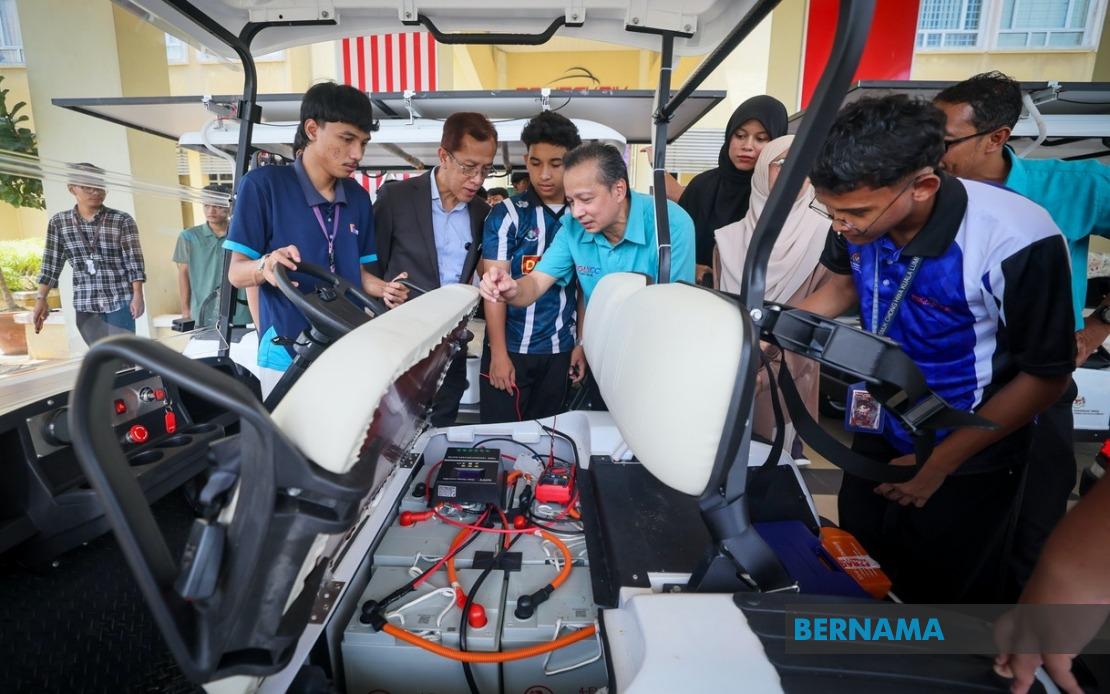
Jeli Kelantan Polytechnic has successfully demonstrated the first solar-powered buggy cars developed in the state, marking a significant milestone in renewable energy innovation and vocational education in East Coast Malaysia. The institution unveiled six vehicles equipped with integrated solar panel systems, comprising four four-seater units and two two-seater units, each valued at approximately RM40,000. The project represents a collaborative effort between the polytechnic's academic leadership and its students, positioning the institution at the forefront of green technology adoption in the region.
The Solar Buggy Car Technology Innovation Project, which cost nearly RM300,000 to complete, was spearheaded by 20 third-semester students enrolled in the Diploma in Electrical Engineering (Green Energy) programme. According to Jeli Kelantan Polytechnic director Mohd Zamre Ab Rahman, the students accomplished the full development and installation within approximately one month, demonstrating the practical application of theoretical knowledge acquired throughout their coursework. Lecturer Chung Boon Chuan provided technical guidance and oversight for the project, ensuring that the innovation met industry standards while serving as an educational tool.
The core innovation centres on enabling the buggy cars to charge their batteries using solar energy rather than relying solely on conventional electricity supply. This self-sufficiency approach reduces operational costs and environmental impact, aligning with broader sustainability objectives. The system represents a practical demonstration of how renewable energy can be integrated into everyday transportation solutions, a particularly relevant application given Malaysia's tropical climate and abundant sunshine year-round. For a region like Kelantan, which has significant solar potential, such technology underscores the feasibility of transitioning to cleaner energy sources.
The polytechnic's commitment to green energy extends beyond vehicle innovation. In the previous financial year, the Ministry of Higher Education allocated RM2 million to upgrade laboratory facilities and procure modern equipment specifically designed to support green energy education. This substantial investment reflects recognition at the national level that vocational institutions must equip students with skills aligned to emerging sectors. The upgraded facilities enable students to engage with cutting-edge technology and prepare for employment in industries where demand is accelerating across Malaysia and Southeast Asia.
Enrolment in the green energy diploma programme itself demonstrates growing regional interest in renewable technology careers. When the programme launched in July of the previous year, intake stood at 40 students. For the current academic session, applications surged to 80 students, representing a 100 percent increase in one year. This trajectory suggests that both students and families recognize the long-term career prospects in green energy, even in a state traditionally associated with other economic sectors. The doubling of intake places pressure on institutions to maintain teaching quality whilst scaling operations rapidly.
Kelantan's emerging renewable energy infrastructure supports employment growth in the sector. Solar farm developments in Tok Uban and Pasir Mas exemplify how the state is positioning itself within Malaysia's broader renewable energy transition. These large-scale projects require skilled technicians, engineers, and maintenance personnel—roles for which the polytechnic's graduates are being trained. The alignment between curriculum development and regional economic needs is a model that other vocational institutions might study, particularly in states seeking to diversify their industrial base.
Beyond its educational remit, Jeli Kelantan Polytechnic has signalled willingness to commercialize its solar buggy technology. The institution announced readiness to accept orders from the public and government agencies for solar panel system installations on buggy vehicles. This entrepreneurial approach generates revenue whilst creating pathways for students to engage in real-world project implementation. Such arrangements benefit multiple stakeholders: the polytechnic gains operational experience and income, students obtain practical experience in client-facing work, and organizations gain access to locally-developed sustainable technology.
The project embodies a broader educational philosophy centred on experiential learning and industry relevance. Students did not simply study solar panels and electrical systems in textbooks; they designed, installed, and tested systems on functioning vehicles. This hands-on engagement develops problem-solving skills and technical competency that transcend classroom instruction. Employers seeking graduates for positions in renewable energy sectors prioritize candidates with demonstrated practical experience, making project-based learning increasingly valuable in vocational curricula.
For Malaysia's national renewable energy objectives, developments at institutions like Jeli Kelantan Polytechnic matter considerably. The country has set ambitious targets for renewable energy capacity additions, and achieving these requires a pipeline of trained personnel. Vocational graduates fill essential middle-skill positions that university-educated engineers alone cannot provide. By developing specialized green energy diplomas and demonstrating tangible applications, polytechnics contribute to workforce development that underpins national energy transition strategies.
The initiative also carries implications for how smaller states like Kelantan position themselves within Malaysia's economic landscape. Historically peripheral to major manufacturing or financial sectors, Kelantan possesses geographic advantages for renewable energy development. By cultivating local expertise through education and supporting student-led innovations, the state builds competitive advantage in clean energy sectors. This knowledge-based economic development approach offers a sustainable path forward as traditional industries face pressures from automation and globalization.
The solar buggy project further demonstrates that innovation need not emerge exclusively from research universities or private technology firms. Polytechnics, often viewed primarily as training grounds for trades, are proving capable of developing marketable technologies. The six completed vehicles represent tangible products that could eventually enter commercial deployment or serve as demonstration units promoting solar technology adoption. This visibility helps normalize renewable energy solutions among the general public and decision-makers.
Moving forward, scalability will determine whether this innovation generates lasting impact. The polytechnic's willingness to accept commercial orders suggests confidence in the system's viability and durability. If orders materialize and production increases, the institution could become an unexpected hub for solar vehicle technology in Malaysia. Success would attract additional students, investment, and potentially partnerships with larger automotive or energy companies seeking to develop electric and solar-hybrid vehicle solutions for regional markets.
As Malaysia navigates its energy transition and seeks to develop new economic sectors, institutions like Jeli Kelantan Polytechnic demonstrate that vocational education, student creativity, and strategic resource allocation can generate meaningful innovation. The solar buggy project transcends a single product; it represents an emerging model of how technical education institutions can contribute simultaneously to workforce development, regional economic diversification, and national sustainability objectives whilst maintaining educational quality and student engagement.

