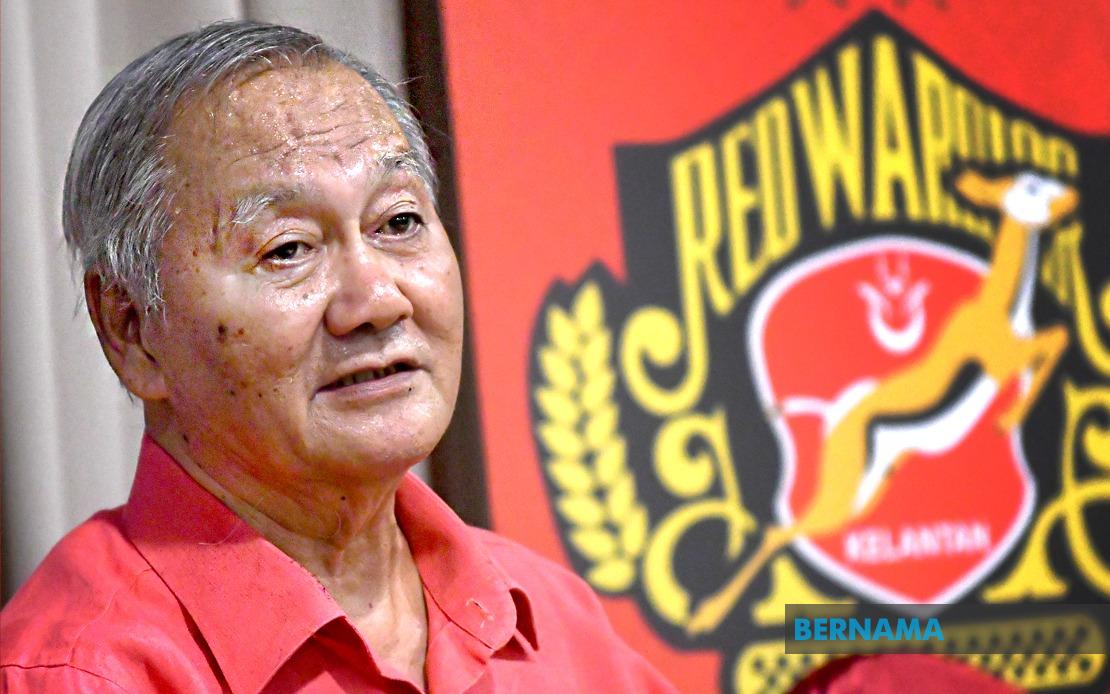
Kelantan Red Warriors FC has put its recruitment drive on temporary hold, according to head coach Irfan Bakti Abu Salim, who announced that internal administrative obstacles must be cleared before the club can proceed with strengthening its squad ahead of the new Super League season. The announcement came in Kota Bharu on July 12, underscoring the challenges that can emerge even when a club achieves sporting success, as KRW did by securing promotion through legitimate competition in the A1 Semi-Pro League.
While the club's qualification to Malaysia's top flight represents a significant achievement, Irfan Bakti emphasized that on-field success cannot fully translate into competitive readiness without the necessary administrative foundation. The coach expressed pride in the team's promotion, describing it as a merit-based accomplishment that validated the squad's performance throughout the previous season. However, he made clear that this sporting achievement has been shadowed by bureaucratic complications that now demand urgent attention from the club's management structure.
The decision to halt signings, whether of local Malaysian players or foreign recruits, reflects the severity of the technical issues facing the organization. Irfan Bakti did not elaborate on the specific nature of these problems, but indicated they are systemic enough to prevent the club from formally registering new players. This suggests the difficulties may relate to licensing requirements, financial compliance, or other regulatory prerequisites that the Malaysian football authorities impose on clubs competing in the Super League.
For Malaysian football enthusiasts and observers of the local game, KRW's situation highlights the gap that can exist between winning promotion and being adequately prepared to compete at a higher level. The Super League represents a considerable step up in competitive intensity and resource demands compared to the semi-professional tier from which KRW emerged. The club faces not merely sporting challenges but also organizational ones, and the coach's candid acknowledgment of these issues suggests a level of transparency about the hurdles ahead.
Currently, the club continues training operations with a squad of 18 to 20 existing players while waiting for administrative clearance. This existing roster will form the foundation of KRW's Super League campaign, at least in the immediate term. The training group size suggests the club is maintaining competitive fitness standards despite the recruitment freeze, and indicates that some level of operational continuity has been preserved even as management grapples with unresolved matters.
Irfan Bakti stressed that the management is working actively to overcome these obstacles, and his comments suggest optimism that resolution is achievable within a reasonable timeframe. The coach acknowledged that fulfilling all regulatory requirements remains a prerequisite for competing in the Super League, and he expressed hope that outstanding issues would be addressed before the league campaign begins. This dual emphasis—on confidence in eventual resolution combined with candid discussion of present constraints—reflects the balancing act required of club leadership when navigating such situations.
The significance of resolving these issues extends beyond mere administrative compliance. The gap between the semi-professional league and the Super League is substantial, both in terms of tactical sophistication and physical intensity. KRW will face established clubs with deeper financial resources, larger player pools, and more extensive coaching infrastructure. Without the ability to recruit strategically, the club risks entering the new season undermanned and potentially outmatched by competitors in several key areas. The coach's emphasis on needing a complete squad underscores this reality.
From a Malaysian football perspective, KRW's situation is instructive about the importance of institutional readiness alongside sporting merit. Promotion should ideally be accompanied by the organizational capacity to compete effectively at the higher level. The club's experience suggests that regulations and compliance requirements, while necessary for league integrity, can create real obstacles for clubs transitioning upwards through the Malaysian football pyramid. How quickly KRW resolves its issues may serve as a case study for future promoted clubs.
The temporary recruitment ban, while frustrating for a newly promoted club eager to strengthen, also reflects FIFA and Malaysian football authority standards that exist to maintain competitive balance and financial accountability. These regulations are designed to prevent clubs from circumventing proper channels or taking on unsustainable financial commitments. For KRW, working through the process properly, though slower, may ultimately serve the club's long-term interests better than hasty signings made under pressure.
Looking ahead, the coming weeks will be critical for KRW's Super League preparation. If administrative issues are resolved promptly, the club will still have opportunity to recruit players before the new season begins, though the window for integration and team-building will be compressed. Conversely, any prolonged delays could leave the club starting the campaign with insufficient squad depth, potentially compromising its ability to compete for respectable league positions.
The situation also carries implications for Malaysian football's broader development. For a club to earn promotion through legitimate competition and then face administrative barriers to leveraging that achievement reflects gaps in how the system supports upward mobility. Addressing both the specific issues facing KRW and the systemic challenges they represent would strengthen Malaysian football's competitive structure and ensure that merit-based promotion leads to meaningful competitive opportunity.

