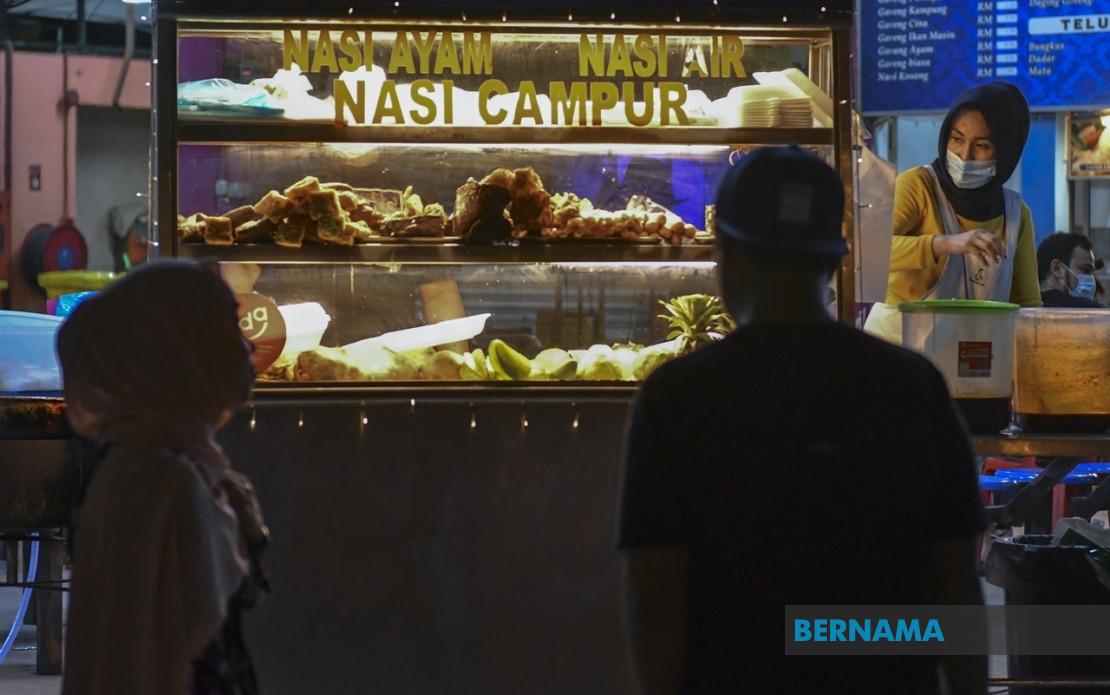
The Kelantan state government has announced plans to strengthen its oversight of food operations across the state in response to growing public concerns about halal certification standards. The decision comes after allegations circulated widely on social media regarding the halal status of multiple food premises operated by non-Muslim business owners in areas frequented by Muslim customers. Mohd Asri Mat Daud, chairman of the State Islamic Development, Dakwah, Information and Regional Relations Committee, confirmed the state's commitment to safeguarding halal compliance and protecting Muslim consumer confidence through more rigorous and frequent inspections.
The enforcement responsibility rests formally with the Kelantan Islamic Religious Affairs Department, and Mohd Asri indicated his office will work closely with that body to coordinate comprehensive investigations into the allegations. Although no official complaints have been lodged with state authorities regarding the disputed establishments, officials are conducting preliminary fact-finding work to gather sufficient information before determining what action may be warranted. This measured approach reflects the government's desire to establish a clear factual foundation before implementing any enforcement measures, though the underlying message signals zero tolerance for any lapses in halal standards.
The timing of this initiative reflects broader sensitivities around halal certification across Malaysia, where consumer trust remains paramount in a country with a Muslim-majority population. For Muslim Malaysians and Muslim minorities throughout Southeast Asia, halal status represents far more than a regulatory checkbox—it embodies religious observance and personal conscience. The episode in Kelantan illustrates how social media can rapidly amplify concerns about food safety and religious compliance, sometimes outpacing official channels and creating public anxiety that demands governmental response. State authorities recognise that allowing such doubts to fester unchecked could erode community confidence in the halal ecosystem more broadly.
Mohd Asri delivered a pointed message to food operators, cautioning them against prioritising profit margins over shariah compliance obligations. He stressed that such corner-cutting not only violates religious principles but actively harms the broader credibility of halal-certified establishments throughout the state. This warning carries particular weight given Malaysia's position as a global halal certification authority and leader in Southeast Asian halal standards. Any perception that enforcement is lax risks damaging Kelantan's reputation and, by extension, Malaysia's standing in the international halal marketplace, where buyers in Muslim-majority nations worldwide rely on Malaysian certification as a mark of authenticity.
The state government is also leveraging this moment to encourage food premise operators to pursue formal Malaysia's Halal Certification, positioning it as a business advantage rather than merely a regulatory burden. Officials have committed to accelerating the application process, targeting a 30-day turnaround for qualified applicants who demonstrate readiness and adherence to prescribed guidelines. This incentive structure aims to move more establishments into the formal certification framework, where oversight is structured and transparent. By reducing the incentives for informal or grey-market operations, authorities hope to create clearer lines of accountability and consumer assurance across Kelantan's food industry.
The incident also underscores the complex dynamics of food business ownership in Malaysia, where non-Muslim entrepreneurs operate establishments serving predominantly Muslim clienteles. This pattern is common throughout the country and reflects Malaysia's multicultural economic reality. However, it creates particular sensitivities around halal assurance, where religious authority and consumer protection intersect. The Kelantan episode suggests that while such arrangements are generally accepted, they require heightened scrutiny and explicit certification to maintain public confidence. Operators in these positions bear additional responsibility to demonstrate genuine commitment to halal standards, not merely technical compliance.
Public vigilance, enabled by social media platforms, has become a significant driver of regulatory action in Malaysia. The Facebook disclosure that triggered this enforcement response demonstrates how individual citizens can catalyse governmental attention to compliance issues that might otherwise escape official notice. While this represents a form of democratic accountability, it also highlights the importance of clear, accessible, and timely official communication about halal status. When information gaps exist, social media becomes the default information source, and allegations—even unverified ones—can spread rapidly and damage reputations. State authorities recognise the need to fill this space with authoritative, frequent updates about certified establishments and compliance records.
The broader implications extend across Southeast Asia, where halal certification frameworks vary significantly and consumer confidence remains inconsistent. Malaysia's experience in Kelantan offers lessons about the importance of maintaining strict certification standards, supporting operators in achieving compliance, and communicating transparently with consumers. Other regional governments managing similar multicultural food markets may observe how Kelantan resolves this challenge. The state's response—combining increased enforcement with incentives for certification—represents a balanced approach that protects religious integrity without creating barriers to business participation by operators of all backgrounds.
Moving forward, Kelantan authorities face the task of executing intensified inspections without appearing discriminatory or creating excessive regulatory burden on the food industry. The state's commitment to processing halal certification applications within 30 days should help remove practical obstacles that might otherwise push operators toward informal compliance arrangements. Simultaneously, enhanced monitoring demonstrates that authorities are taking public concerns seriously and will not tolerate negligence or deliberate non-compliance. Success will depend on consistent, transparent implementation and ongoing communication with both the business community and Muslim consumers whose confidence ultimately determines whether Kelantan's halal ecosystem functions effectively and commands respect.

