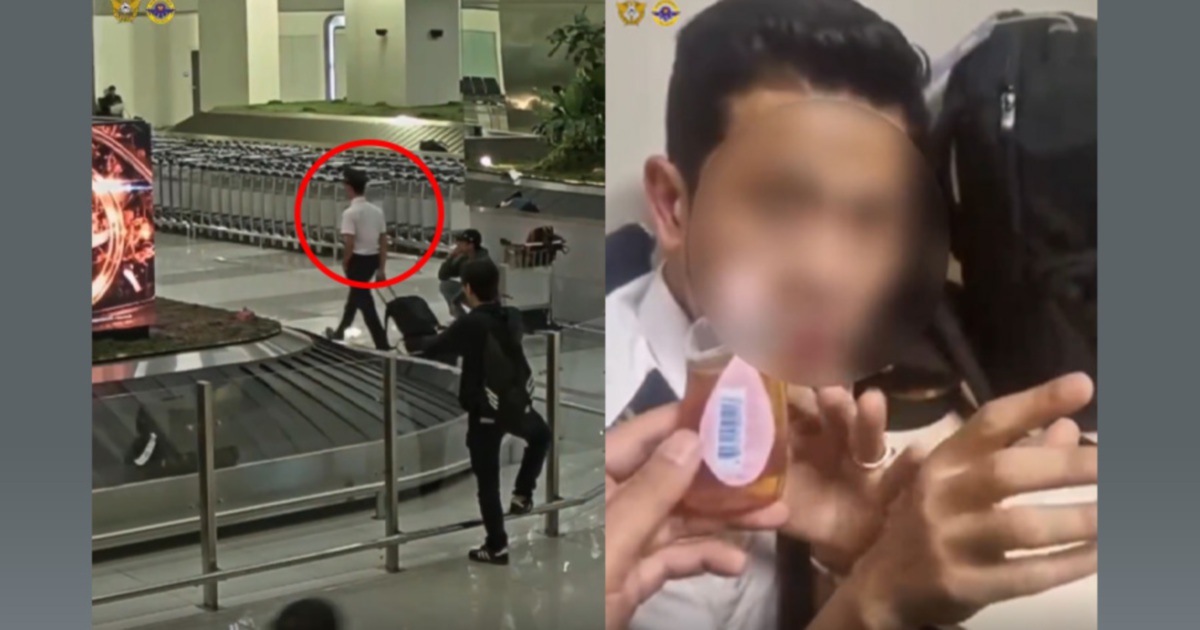
The MP representing Kepong has escalated pressure on government agencies to make public closed-circuit television recordings documenting the security screening procedures applied to a Malaysian commercial pilot at Kuala Lumpur International Airport, ahead of his subsequent detention across the border for suspected involvement in narcotic trafficking. The lawmaker's intervention signals growing parliamentary interest in the transparency surrounding the case and the handling of airport security protocols that may have bearing on the allegations.
The pilot in question was apprehended in Indonesia following investigations into claims that he attempted to transport illegal substances into the country. The timing of the arrest—occurring after the individual had passed through KLIA's security checkpoints—has prompted questions about the adequacy of screening measures and whether any procedural lapses might have facilitated the alleged offence. The incident highlights the critical juncture where airport security responsibilities extend beyond Malaysia's borders, with implications for how authorities coordinate with neighbouring jurisdictions on aviation-related law enforcement.
The request for footage disclosure reflects broader concerns about transparency in high-profile cases involving aviation personnel. Commercial pilots occupy a unique position within both Malaysian society and the international aviation network, with their actions subject to intense scrutiny from multiple regulatory bodies. The Kepong MP's call suggests that parliamentary representatives are receiving constituent concerns about whether proper safeguards were implemented and whether public disclosure of evidence might vindicate or implicate the screening procedures that were ostensibly in place.
Security footage from KLIA carries significant investigative weight, as it documents the precise moment when luggage and personal items undergo inspection before departure. Such recordings can establish whether screening was thorough, whether protocols were followed, and whether any individuals received differential treatment. For the Malaysian public, access to this evidence matters because it touches upon the competency of agencies tasked with preventing contraband from leaving the country—a responsibility that directly affects the nation's international reputation and standing with trading partners.
The Indonesian arrest complicates the jurisdictional landscape considerably. Once the pilot crossed into Indonesian territory, investigation and prosecution fell under Indonesian authority, limiting Malaysia's direct control over the case progression. However, the preliminary events at KLIA remain firmly within Malaysian jurisdiction, making the airport footage a legitimate subject of national interest. The Kepong MP's intervention appears designed to ensure that Malaysian authorities do not hide behind diplomatic sensitivities or inter-agency confidentiality protocols when the public interest in understanding what occurred on Malaysian soil takes precedence.
Releasing CCTV footage could serve multiple purposes beyond immediate case clarity. It would demonstrate to the international aviation community that Malaysia maintains rigorous security standards at its primary hub airport. For aviation unions and pilot associations, the footage might either corroborate proper procedures or reveal gaps requiring remedial action. Additionally, transparency can counteract speculation and rumour, which often multiply when official silence pervades high-profile incidents involving public figures like commercial pilots.
The case also underscores the persistent challenge posed by drug trafficking networks that exploit aviation infrastructure and personnel. Pilots, by virtue of their international mobility and access to secure airport areas, represent attractive recruitment targets for smuggling operations. A single lapse in screening or security protocol can provide the opening that organised networks require. The Kepong MP's call for footage release may therefore serve as an implicit call for heightened vigilance across KLIA's operations and for formal review of security procedures affecting flight crew members.
From a legislative perspective, the MP's intervention demonstrates how elected representatives can apply parliamentary pressure to compel agency accountability. Rather than awaiting formal judicial processes or awaiting results from Indonesian investigations, the legislator is using public advocacy to demand that Malaysian authorities act transparently regarding events within their territory. This approach can expedite information disclosure that might otherwise remain classified for prolonged periods under administrative convenience or inter-agency cooperation agreements.
The broader implications for Malaysian aviation extend beyond a single pilot's case. KLIA handles millions of passengers and crew members annually, making the integrity of its security systems vital to the aviation sector's credibility. Should screening procedures prove deficient, the airport authority would face pressure to implement corrective measures. Conversely, if footage demonstrates that protocols were properly executed, such evidence would vindicate security personnel and strengthen public confidence in airport operations.
The incident also reflects evolving attitudes toward transparency in law enforcement and immigration matters. Malaysian society increasingly expects that agencies justify their actions with evidence, particularly when cases involve prominent individuals or when public safety intersects with personal rights. The Kepong MP's call aligns with this broader social expectation that institutions should open their records to appropriate public scrutiny rather than maintain blanket confidentiality.
As the case unfolds through Indonesian legal channels, the question of KLIA footage availability may become pivotal to understanding how the alleged smuggling operation unfolded. Whether the pilot was flagged by Malaysian security, whether suspicious items were detected and then somehow missed, or whether the contraband was successfully concealed despite proper screening—these questions can only be conclusively answered through documented evidence. The MP's push for disclosure represents legitimate oversight of how Malaysian security institutions discharged their responsibilities at the point where the incident originated.

