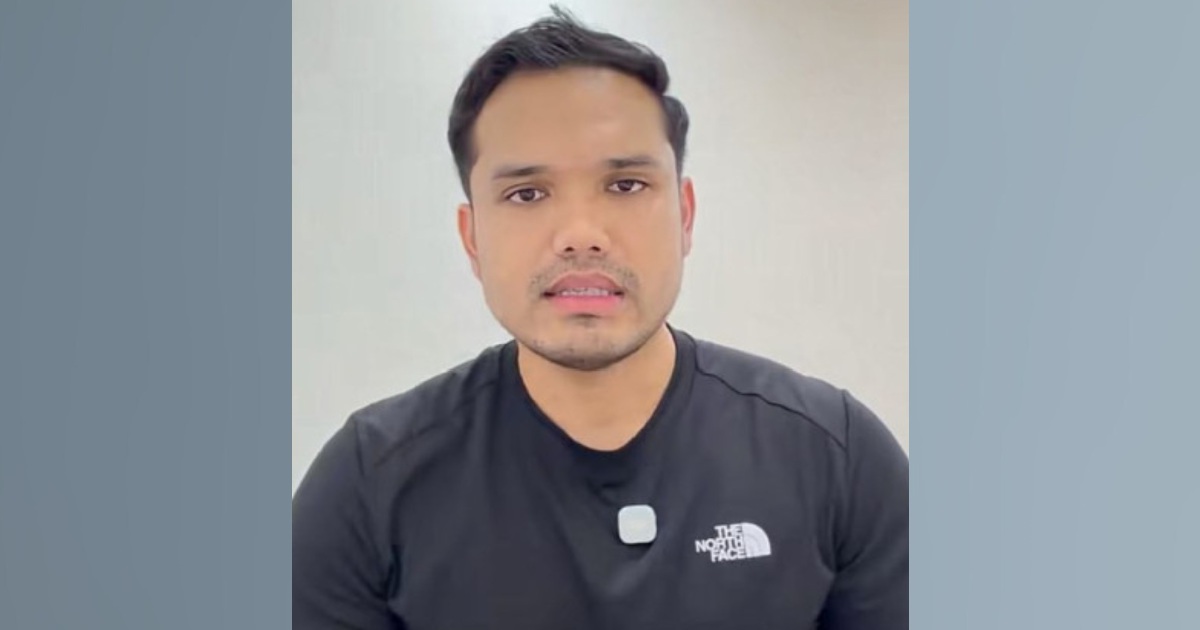
Khairul Aming, one of Malaysia's most recognizable content creators and business personalities, has responded with significant concern to the unexpected public exposure of his private telecommunications records. The influencer disclosed that details from his personal phone bill surfaced online through undisclosed channels, prompting him to voice discomfort about the breach of his personal information.
The incident adds to a growing pattern of data security vulnerabilities affecting Malaysian public figures and celebrities. In recent years, multiple high-profile personalities have fallen victim to similar privacy breaches, ranging from financial records to personal contact information. These exposures typically occur through either careless data handling by service providers, deliberate leaks by disgruntled employees, or sophisticated cybersecurity attacks targeting digital systems that hold sensitive consumer information.
For Khairul Aming, whose brand depends partly on maintaining a carefully curated public image while preserving boundaries around his private life, the unauthorized release of billing information represents a tangible threat to his personal security and privacy. Phone bills can reveal extensive details about calling patterns, contact frequency with specific individuals, and service provider information—data that sophisticated bad actors could weaponize for identity theft, harassment, or targeted scams. This vulnerability highlights how even prominent figures with substantial resources often lack adequate protection against unauthorized data exploitation.
The exposure raises uncomfortable questions about how telecommunications companies in Malaysia safeguard customer data. Regulatory frameworks governing corporate accountability for data breaches remain inconsistent, and companies frequently face minimal penalties even after major security lapses. Consumers rarely receive advance notification of compromises, and recovery processes are typically cumbersome and time-consuming. The absence of stringent enforcement mechanisms means organizations sometimes prioritize cost savings over robust security infrastructure.
Khairul Aming's public response serves an important function in raising awareness about digital vulnerabilities affecting ordinary Malaysians. As a figure with considerable social media reach and influence, his decision to speak openly about the incident encourages other victims to report similar breaches rather than suffering in silence. This visibility is essential for building momentum toward stronger regulatory requirements and corporate accountability measures that could benefit the broader Malaysian public.
The timing of this incident reflects broader concerns within Southeast Asia about data governance and cybersecurity standards. As digital services proliferate throughout the region and connectivity deepens, unauthorized data access becomes an increasingly serious economic and social problem. Nations throughout the region continue grappling with balancing innovation and convenience against robust privacy protections, often defaulting to frameworks that favor corporate interests over individual rights.
Investigators have not yet identified who accessed or released the phone bill information, though several possibilities merit consideration. Internal breaches involving telecommunications company staff remain a persistent vulnerability, as employees with system access occasionally compromise customer information for personal gain or malicious purposes. External cyberattacks exploiting software vulnerabilities also rank among primary culprits. Additionally, sometimes information circulates through informal networks before reaching wider public awareness, making source attribution difficult even for professional investigators.
The incident underscores why technology-savvy individuals, particularly those with elevated public visibility, increasingly employ security consultants and implement multi-layered protective measures around their personal information. These might include dedicated secure communication channels, data monitoring services that alert users to unauthorized access attempts, and regular audits of their digital footprint across various platforms and service providers. Unfortunately, such comprehensive protection remains accessible primarily to individuals with substantial financial resources.
For average Malaysian consumers, the situation reveals systemic vulnerabilities that individuals cannot adequately address through personal vigilance alone. Effective solutions require coordinated action involving government regulators, telecommunications companies, cybersecurity professionals, and consumer advocacy organizations. This might include mandatory data breach notification timelines, substantial financial penalties for security lapses, mandatory encryption standards, and regular independent audits of company security protocols.
Khairul Aming's experience also illuminates how digital privacy concerns transcend traditional geographical or economic boundaries. High-profile individuals from entertainment, business, politics, and media sectors worldwide face similar challenges, yet solutions implemented in other countries often fail to translate effectively to Malaysia's unique regulatory and technological landscape. Policymakers must develop context-appropriate frameworks that address local conditions while incorporating international best practices.
Moving forward, this incident may catalyze broader conversations about telecommunications regulation and data protection standards throughout Malaysia. Consumer advocacy groups have repeatedly called for comprehensive privacy legislation comparable to frameworks implemented in the European Union and other developed markets. The question remains whether high-profile breaches affecting well-known personalities will finally generate sufficient political momentum for meaningful regulatory reform, or whether existing inadequate protections will persist until a truly catastrophic incident forces systemic change.

