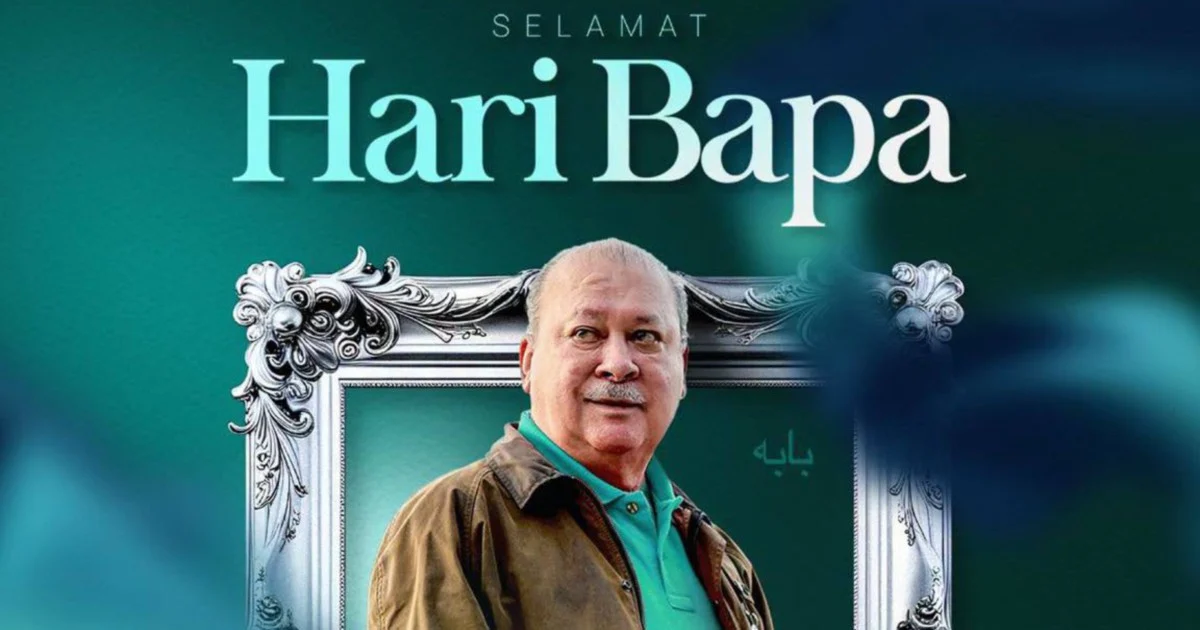
His Majesty Sultan Ibrahim, King of Malaysia, and Her Majesty Raja Zarith Sofiah, Queen of Malaysia, have joined the nation in marking Father's Day with warm greetings extended to all fathers across the country. The message represents the royal couple's recognition of the significant role fathers play within families and Malaysian society more broadly.
Father's Day celebrations in Malaysia traditionally fall in the month of June, offering a dedicated occasion to acknowledge and appreciate the contributions that fathers make to their households and communities. The royal sentiment underscores the importance placed by the monarchy on family values and intergenerational bonds that remain foundational to the nation's social fabric.
The gesture reflects a longstanding custom whereby the Malaysian royal institution acknowledges key family-oriented occasions throughout the year. Such messages from the palace carry particular weight in Malaysian culture, where the monarchy maintains a respected position as custodians of national traditions and values. The King and Queen's participation in Father's Day observances helps elevate the significance of the occasion within public consciousness.
Fathers occupy a crucial position within the Malaysian family structure, and public recognition of their role has grown increasingly prominent in recent years. The royal greetings serve to validate the diverse experiences and contributions of fathers across different sectors of society—whether in traditional employment, self-employment, agriculture, or the service industries that characterise Malaysia's modern economy.
The timing of Father's Day celebrations often coincides with broader national conversations about parenting, work-life balance, and family dynamics in contemporary Southeast Asia. Malaysia, as a multicultural nation with Malay-Muslim, Chinese, Indian, and indigenous communities, incorporates diverse approaches to fatherhood and family structures. Royal recognition of the occasion helps bridge these varied traditions within a unified national narrative.
The message also arrives during a period when Malaysian society continues to navigate challenges related to family well-being, economic pressures on breadwinners, and evolving definitions of paternal responsibility. Younger generations increasingly embrace more hands-on parenting approaches and equal partnership models within families, departing from more traditional hierarchical structures. The monarchy's acknowledgement of fathers—without prescribing narrow definitions—tacitly affirms the legitimacy of these changing family paradigms.
Within the Southeast Asian context, Malaysia's approach to highlighting family occasions through royal channels demonstrates how the institution of monarchy can remain relevant and connected to contemporary social realities. Neighbouring countries observe similar traditions, though the form and emphasis vary according to different constitutional arrangements and cultural practices. The Malaysian example shows how formal state institutions can engage meaningfully with civil society celebrations.
The Father's Day greetings represent one of many occasions throughout the year when the Malaysian royal household communicates directly with citizens on matters touching personal and family life. These messages, while ceremonial in nature, carry genuine significance for many Malaysians who view the monarchy as embodying national cohesion and shared values. The consistency of such gestures helps maintain public affection for the institution across different demographic groups.
For fathers themselves, the royal recognition provides a moment of public validation often absent from the routines of daily family life. Many fathers in Malaysia balance multiple responsibilities—employment, household management, elder care, and community engagement—with limited formal acknowledgement. Father's Day and messages like those from the King and Queen offer an opportunity for families to pause and express appreciation for these often-underappreciated contributions.
The greetings also serve a symbolic purpose in affirming that fatherhood, across all its varied expressions in Malaysian society, merits public and institutional recognition. In a nation where discussions about gender roles and family structures occasionally generate controversy, the monarchy's inclusive approach to honouring fathers provides a unifying message that transcends political and social divisions. The gesture reinforces the notion that strong families, regardless of their particular structure or cultural background, represent a common aspiration throughout the country.
As Malaysia continues to develop as a modern multicultural nation, moments like Father's Day celebrations demonstrate the enduring importance of family institutions within public discourse. The royal couple's participation ensures that the occasion receives appropriate prominence and respect, encouraging Malaysians to reflect on their own family relationships and the role fathers continue to play in shaping the next generation.
%22%2F%3E%3C%2Fpattern%3E%3C%2Fdefs%3E%3Crect%20width%3D%22100%25%22%20height%3D%22100%25%22%20fill%3D%22url(%23ph5o7jrg)%22%2F%3E%3Crect%20width%3D%22100%25%22%20height%3D%22100%25%22%20fill%3D%22url(%23ph5o7jrp)%22%2F%3E%3Ctext%20x%3D%2250%25%22%20y%3D%2250%25%22%20text-anchor%3D%22middle%22%20dominant-baseline%3D%22central%22%20fill%3D%22rgba(255%2C255%2C255%2C0.95)%22%20font-family%3D%22Georgia%2C%20'Times%20New%20Roman'%2C%20serif%22%20font-weight%3D%22700%22%20font-size%3D%22226%22%20letter-spacing%3D%22-0.02em%22%3EMelaka%3C%2Ftext%3E%3C%2Fsvg%3E)
%22%2F%3E%3C%2Fpattern%3E%3C%2Fdefs%3E%3Crect%20width%3D%22100%25%22%20height%3D%22100%25%22%20fill%3D%22url(%23ph5d5kfg)%22%2F%3E%3Crect%20width%3D%22100%25%22%20height%3D%22100%25%22%20fill%3D%22url(%23ph5d5kfp)%22%2F%3E%3Ctext%20x%3D%2250%25%22%20y%3D%2250%25%22%20text-anchor%3D%22middle%22%20dominant-baseline%3D%22central%22%20fill%3D%22rgba(255%2C255%2C255%2C0.95)%22%20font-family%3D%22Georgia%2C%20'Times%20New%20Roman'%2C%20serif%22%20font-weight%3D%22700%22%20font-size%3D%22272%22%20letter-spacing%3D%22-0.02em%22%3EAmira%3C%2Ftext%3E%3C%2Fsvg%3E)