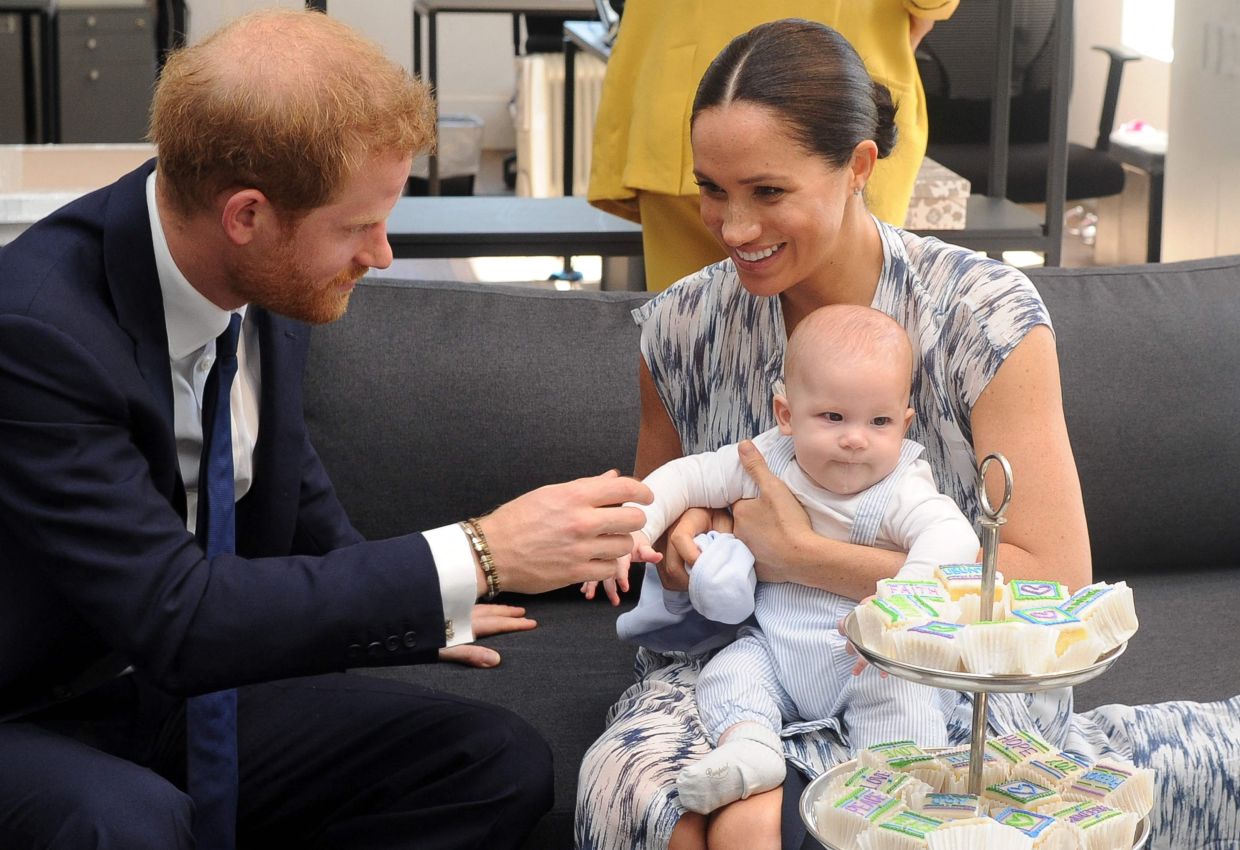
King Charles III welcomed Prince Harry, his wife Meghan and their two children to Highgrove House, a country estate situated west of London, on Friday—a meeting that represents the most significant family gathering between the estranged royals in several years. The visit, involving Prince Archie and Princess Lilibet alongside Queen Camilla, comes as deliberate efforts to mend the deep divisions that have separated the Duke and Duchess of Sussex from the monarchy since they abandoned their royal responsibilities and relocated to California six years ago.
The significance of this reunion extends beyond a simple family occasion. Prince Harry had travelled to the United Kingdom on July 6 to participate in various charitable initiatives, yet the prospect of meeting his father dominated public discourse throughout his stay. Media attention intensified around whether Meghan would join him and, crucially, whether their children would travel from their California home to spend time with their grandfather. Such gatherings require careful coordination given the demands on the King's schedule, which typically involves commitments planned years in advance. The limited window for the meeting reflected practical constraints: the children would need to return to school as autumn approached, and the family's roots remain firmly established on the west coast of America.
This visit underscores the complicated dynamics that have plagued the House of Windsor since 2018, when the couple stepped away from public duties. Their subsequent departure to North America triggered considerable turmoil within the institution, compounded when Harry published a controversial memoir detailing grievances against his family. The book included serious allegations regarding the monarchy's relationship with the British press, particularly accusations that senior royals had leaked private information to journalists in exchange for favourable coverage. Prince Harry was notably critical of Queen Camilla in these accounts, claiming she had shared confidential conversations with media outlets as part of a broader effort to rehabilitate her public image following the disclosure of her relationship with Charles before his accession to the throne.
The legal and personal dimensions of Harry's dispute with the royal family intersected significantly during this visit period. Earlier in the week, tensions escalated when royal officials initially offered Harry accommodation at Buckingham Palace before withdrawing the invitation—a tense exchange that reflected the fragility of relations between the prince and the institution. Compounding these difficulties, Harry simultaneously lost a final court case challenging British tabloid publications over alleged privacy violations, a legal struggle that has preoccupied him throughout his estrangement from the family. His continued battles against the press represent not merely personal vendetta but a fundamental conflict over press freedom and royal privacy that has become a flashpoint in his relationship with his relatives.
The health situation surrounding King Charles has added emotional weight to reconciliation efforts. The 77-year-old monarch is undergoing treatment for an undisclosed form of cancer, a circumstance that has motivated Harry to pursue mending family relationships. Harry previously told the BBC that he harboured no desire to perpetuate ongoing conflict, stating plainly that he remained open to reconciliation despite the accumulated grievances. His acknowledgement that time with his father may be limited reflects a pragmatic reassessment of priorities, marking a notable shift from his more combative public positions during the immediate aftermath of his royal departure.
Prior contact between father and son had been minimal. The most recent substantial interaction occurred in September, when Harry briefly visited London and met Charles for tea—their first encounter in well over a year, highlighting the depth of the rupture that had developed. Before that, the children had last seen their grandfather during celebrations marking the late Queen Elizabeth II's Platinum Jubilee in 2022. Prince Archie, now seven years old, and Princess Lilibet, aged five, are at developmental stages where they possess sufficient memory of family occasions to retain impressions of royal relatives, making this reunion potentially significant for their understanding of family heritage and connections.
The decision to hold the meeting at Highgrove rather than at an official royal residence carries subtle symbolic meaning. The private country estate, while still within royal circles, represents a less formal setting than Buckingham Palace or Windsor Castle, suggesting an attempt to create a more relaxed, familial atmosphere rather than emphasizing ceremonial protocol. Palace officials explicitly characterised the gathering as private, declining to release photographs or official statements, a choice that reflects sensitivity about the meeting's personal rather than institutional nature. This restraint contrasts sharply with the intense public and media scrutiny that has characterised the couple's relationship with the monarchy since their departure.
For Malaysian and Southeast Asian observers, this development carries implications beyond mere celebrity interest. The saga of the House of Windsor demonstrates how institutional pressures, media dynamics, and personal ambitions can fracture even the most privileged families, creating ruptures that span continents and persist across years. The reconciliation effort reflects broader patterns seen in Asian families navigating between traditional expectations and individual desires for autonomy—themes that resonate throughout the region. Furthermore, the couple's establishment of a media empire in California while maintaining complicated ties to their family institution parallels modern patterns of diaspora and transnational family relationships increasingly common among affluent families worldwide.
Harry's explicit acknowledgement that he seeks reconciliation rather than continued confrontation marks a turning point in the narrative. His previous legal battles and media ventures, while earning him significant wealth and influence, had positioned him in perpetual conflict with the institution from which he had departed. This meeting suggests a maturing perspective, one where continued conflict appears exhausting rather than principled. The presence of Meghan and the children signals that any reconciliation attempt must accommodate his life in America and his commitment to his nuclear family, rather than demanding a return to royal duties or London residence.
The outcome of Friday's gathering remains to be seen in terms of its impact on long-term family dynamics. Single meetings rarely resolve deeply rooted disagreements, particularly those involving institutional complications and decades of accumulated tension. However, the very fact that such a meeting occurred—that the King chose to allocate precious time to host his estranged son and grandchildren—suggests genuine willingness from both parties to explore renewed connections. Whether this represents a temporary gesture or the beginning of sustained reconciliation will likely become apparent only through subsequent interactions and the family's evolving public statements.
As King Charles navigates his health challenges and the continuing evolution of the monarchy, investing in family relationships takes on heightened importance. For Prince Harry, the opportunity to expose his children to their grandfather and allow them to develop autonomous relationships with their royal relatives represents a significant concession to familial ties that had previously seemed irreparably damaged. The meeting thus reflects not resolution but rather a recommitment to the possibility of resolution—a potentially crucial distinction for a family that, despite its resources and privileges, faces the same fundamental challenges of bridging distance, managing expectations, and prioritising connection over conflict that affect families everywhere.

