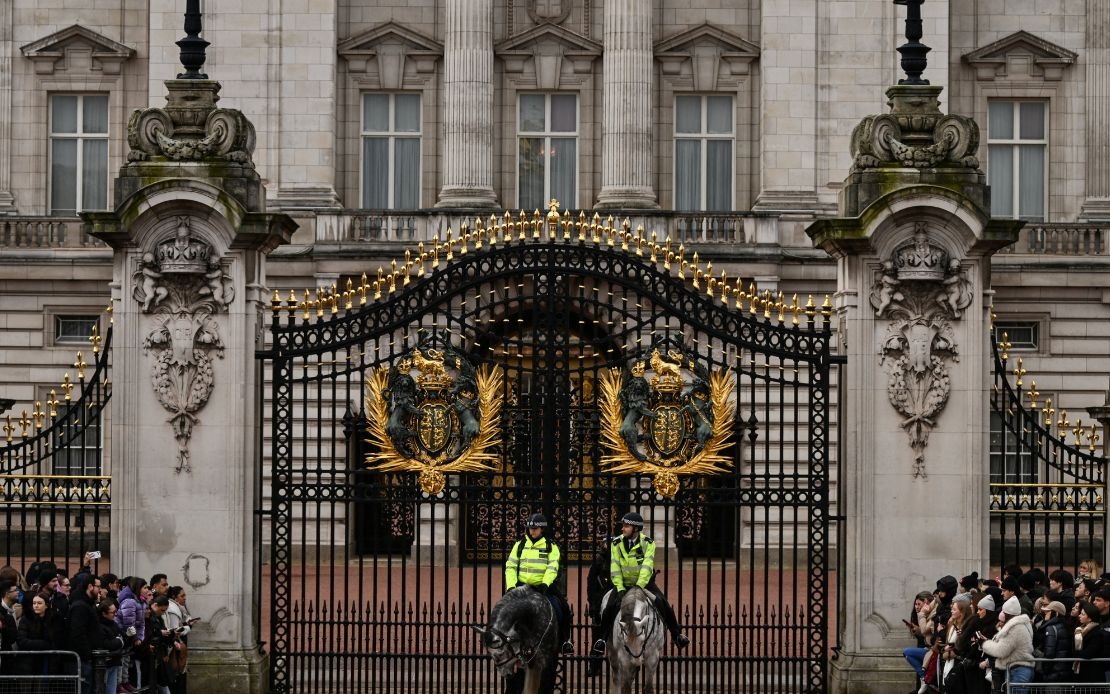
King Charles III and Queen Camilla will continue to utilise Buckingham Palace as the principal ceremonial venue for official royal functions once its extensive renovation programme concludes, though the palace will not serve as their personal residence, the Royal Household announced on Thursday. This clarification addresses longstanding questions about the future role of Britain's most iconic royal residence following nearly a decade of intensive structural work aimed at modernising its ageing infrastructure and ensuring its long-term viability.
The decision underscores the monarchy's commitment to maintaining Buckingham Palace as both a working centre of royal administration and a symbol of institutional continuity. Through the completion of its refurbishment phase, the palace will host the full spectrum of official ceremonies, state receptions, and formal gatherings that comprise the ceremonial dimension of contemporary monarchy. This arrangement reflects broader strategic thinking within the Royal Household about how to balance the operational needs of a modern institution with heritage preservation and public engagement.
The Royal Household's formal statement emphasises that Buckingham Palace will fulfil three complementary roles in the years ahead. First, it will serve as the ceremonial heart where state functions and official celebrations take place, reinforcing its position as the symbolic centre of British royal life. Second, the palace will function as the principal workplace of the Royal Household, housing administrative offices and facilities necessary for managing the monarch's official duties. Third, the institution intends to leverage the completed refurbishment to expand public access to the palace, transforming it into a more accessible national heritage asset that allows citizens and visitors greater opportunity to experience this historic building.
The Buckingham Palace Reservicing Programme, now in its ninth and penultimate year, represents one of the most significant conservation undertakings ever attempted on the palace. The decade-long project addresses fundamental structural concerns, antiquated building systems, and infrastructure challenges that accumulated over generations. By spreading the work across ten years rather than attempting a concentrated closure, the Royal Household has minimised disruption to ceremonial functions while ensuring comprehensive modernisation that will guarantee the palace's functionality for decades to come.
Recent figures on royal palace usage provide context for the continued importance of Buckingham Palace to the institution. During the 2025-2026 financial year, the Royal Household hosted nearly 97,000 guests across 827 separate events held at various royal palaces. This volume of activity demonstrates the significant ceremonial and diplomatic role that the palace continues to perform, hosting everything from state banquets and diplomatic receptions to awards ceremonies and official celebrations that form part of Britain's constitutional and cultural calendar.
The financial commitment to palace preservation has grown accordingly. The Sovereign Grant, which provides public funding for the monarch's official duties and maintenance of occupied royal residences, increased to £132.1 million in 2025-2026, representing a notable rise from previous allocations. Of this total, £67.5 million was specifically directed towards preserving and protecting occupied royal palaces, reflecting the substantial ongoing costs associated with maintaining these historic structures to contemporary standards while preserving their architectural and cultural significance.
For Malaysian and Southeast Asian observers, the arrangement offers insight into how heritage institutions in Westminster democracies manage the intersection of historical preservation, institutional function, and public access. The decision to maintain Buckingham Palace as a working ceremonial centre rather than converting it into a museum demonstrates a philosophy that historic buildings can remain vital to contemporary governance while serving broader public purposes. This model may resonate in the region, where several nations balance similar imperatives regarding royal palaces and heritage sites.
The confirmation that the King and Queen will maintain separate private quarters reflects pragmatic modernisation thinking within the monarchy. The arrangement allows the royal household to operate a functional administrative centre in Buckingham Palace while preserving the privacy necessary for personal life elsewhere. This separation also addresses practical concerns about operating a palace of Buckingham's scale as a private residence, where heating, security, and maintenance costs would be substantially higher than maintaining it primarily as a ceremonial and administrative facility.
The expanded public access promised once refurbishment concludes represents a deliberate strategy to reinforce the palace's role as a national asset rather than purely as a royal residence. By enabling greater numbers of visitors and tourists to experience the palace's interiors, the monarchy seeks to strengthen public connection to institutional heritage and generate increased understanding of royal ceremonial traditions. This democratisation of access reflects contemporary expectations about transparency and public engagement with heritage institutions, distinguishing modern approaches from earlier eras when such buildings remained largely inaccessible to ordinary citizens.
Looking forward, the completion of the Buckingham Palace Reservicing Programme will mark a significant milestone in British institutional history. The refurbished palace will emerge as a model of how to apply contemporary conservation practices to historic buildings of exceptional scale and complexity, ensuring that one of the world's most recognisable residences remains fit for purpose across coming generations. The Royal Household's planning demonstrates that heritage preservation and modern functionality need not be mutually exclusive, a lesson relevant to cultural institutions worldwide as they grapple with similar challenges of maintaining historic structures for contemporary use.

