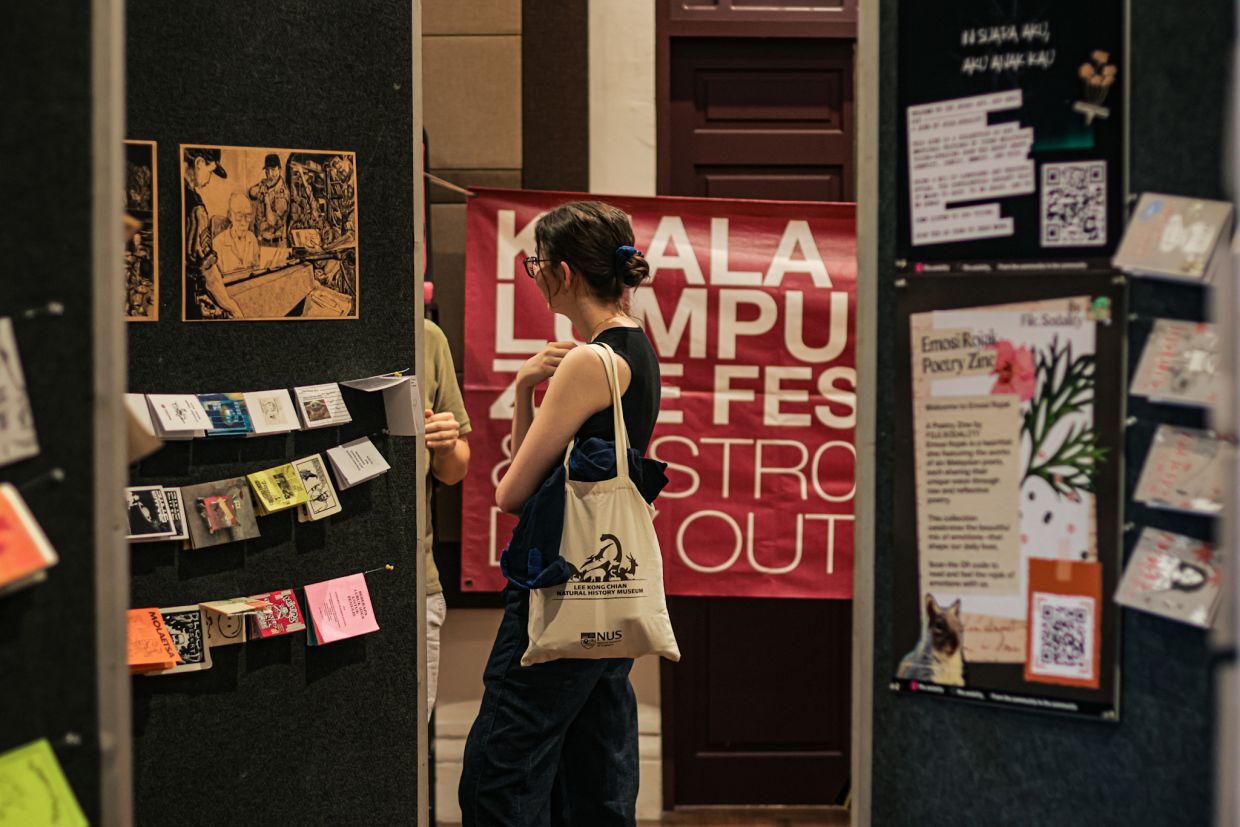
Malaysia's independent arts scene is set to gain momentum as the KL Zine Etc festival makes its much-anticipated return, cementing its place as a key cultural event on Kuala Lumpur's creative calendar. The festival's second edition signals not merely a continuation but a significant expansion of what has become a vital platform for self-published works, artist books and DIY creators who operate outside conventional publishing structures. The growing prominence of such events reflects a broader regional awakening to alternative storytelling and grassroots creative expression.
Hosted across the first floor of a heritage trade hall, this year's festival has nearly doubled its vendor count compared to its inaugural year, now hosting more than 50 exhibitors. This quantitative leap underscores the momentum building within Malaysia's independent publishing community. The expansion encompasses zinesters, visual artists, writers, independent presses and printmakers whose work spans handmade zines to experimental publications and limited-run editions. Beyond mere commerce, the festival operates as a nexus where creative practitioners gather to affirm the merdeka—or independent—spirit that has historically animated zine culture globally and now increasingly in Southeast Asia.
What distinguishes this edition is its deliberate thematic orientation toward peace and dialogue. In response to geopolitical tensions reverberating across the world, the festival's organisers have anchored the programme around an anti-war exhibition serving as the lead cultural intervention. Yet the curators have deepened this framework to encompass internal conflicts as well—the personal struggles emerging from mental health challenges, identity negotiations and ideological positioning. This layered approach moves beyond conventional peace activism, instead recognising that conflict operates at multiple registers simultaneously. The concept of "ceasefire zones" functions as both literal and metaphorical language, inviting participants to construct spaces of temporary reprieve where reading, conversation and exchange become acts of resistance against broader currents of polarisation.
The festival's programming spans three days and encompasses zine-focused discussions, interactive workshops where attendees can engage in print-making and publication design, curated film screenings and live music performances. This multimedia approach acknowledges that contemporary publishing extends far beyond the printed page. The inclusion of film and music recognises how independent creators operate across disciplinary boundaries, often blending visual art, text, sound and performance in experimental configurations. Such programming choices align with how younger audiences in Malaysia and across the region increasingly consume and create cultural content in hybrid formats.
The diversity of creative output represented at KLZE reflects the thematic eclecticism characterising Malaysia's independent publishing sector. Exhibiting works tackle contemporary fanzine cultures, historical punk aesthetics, folk narratives rooted in local traditions, indigenous rights activism, comic narratives, environmental crisis, gender politics and speculative role-playing games. This catholicity reveals an ecosystem unbound by genre or subject-matter constraints, where creators pursue niche interests and marginal voices with equal dedication. The breadth suggests a maturing creative culture capable of sustaining multiple conversations simultaneously.
The participating vendors draw from across Malaysia's geography, reflecting how independent publishing has become a genuinely national phenomenon rather than merely an urban Klang Valley phenomenon. Vendors including Kedai Hitam Putih from Kelantan, Pipit Press from Melaka, Shuren Press from Johor, Olivia JD from Sarawak and Borneo Komrad from Sabah underscore the decentralised nature of Malaysia's creative production. This geographic distribution carries particular significance in a Southeast Asian context where cultural authority has traditionally concentrated in major capitals. The festival's inclusion of Sabah and Sarawak-based publishers affirms the creative vitality of East Malaysia and resists narratives that marginalise regional voices.
Beyond Malaysia's borders, KLZE has rapidly emerged as a regional gathering point attracting independent creators from Singapore, Indonesia, the Philippines, Hong Kong, China, Myanmar and Taiwan. This transnational dimension positions the festival within broader currents of Southeast Asian cultural exchange and cooperation. The gathering of artists from societies with vastly different political economies and regulatory environments creates opportunities for cross-pollination of ideas and methods. Given the region's historical susceptibility to geopolitical fragmentation, these person-to-person creative exchanges carry significance extending beyond artistic merit alone. They represent grassroots diplomacy through culture.
The festival's commitment to multilingual representation mirrors this regional orientation. Exhibiting publications circulate in Bahasa Malaysia, English, Mandarin Chinese and additional languages, creating spaces where linguistic diversity becomes a feature rather than a barrier. In a region fractured by language, this deliberate multilingualism acknowledges how independent publishers serve constituencies across national boundaries and linguistic communities. The choice to present works in multiple languages also reflects how Southeast Asian creators increasingly navigate hybrid linguistic identities and transnational audiences.
Practical accessibility remains central to the festival's philosophy. Entry charges RM10, a modest sum that includes RM5 in vouchers redeemable toward zine purchases. This pricing structure deliberately lowers barriers to participation, ensuring the festival remains accessible to students, precariat workers and others with limited disposable income. Such consideration for affordability aligns with zine culture's historical roots in punk and DIY movements, where accessibility and anti-commercialism served as founding principles. That KLZE maintains this ethos while expanding its scale suggests organisers remain committed to preserving the democratic character of the independent publishing ecosystem.
Looking forward, the festival's organisers emphasise their vision of KLZE as a platform for meaningful exchange rather than mere commercial transaction. They articulate hopes that the gathering will catalyse friendships, foster international collaborations and create conditions for alternative narratives to circulate more widely. These aspirations acknowledge that independent publishing serves functions extending beyond entertainment or education. Such venues function as deliberate counter-spaces where marginalised perspectives gain visibility and where creators can imagine different futures. In the current geopolitical moment, such gathering spaces assume heightened importance as nodes of resistance to homogenising forces.

