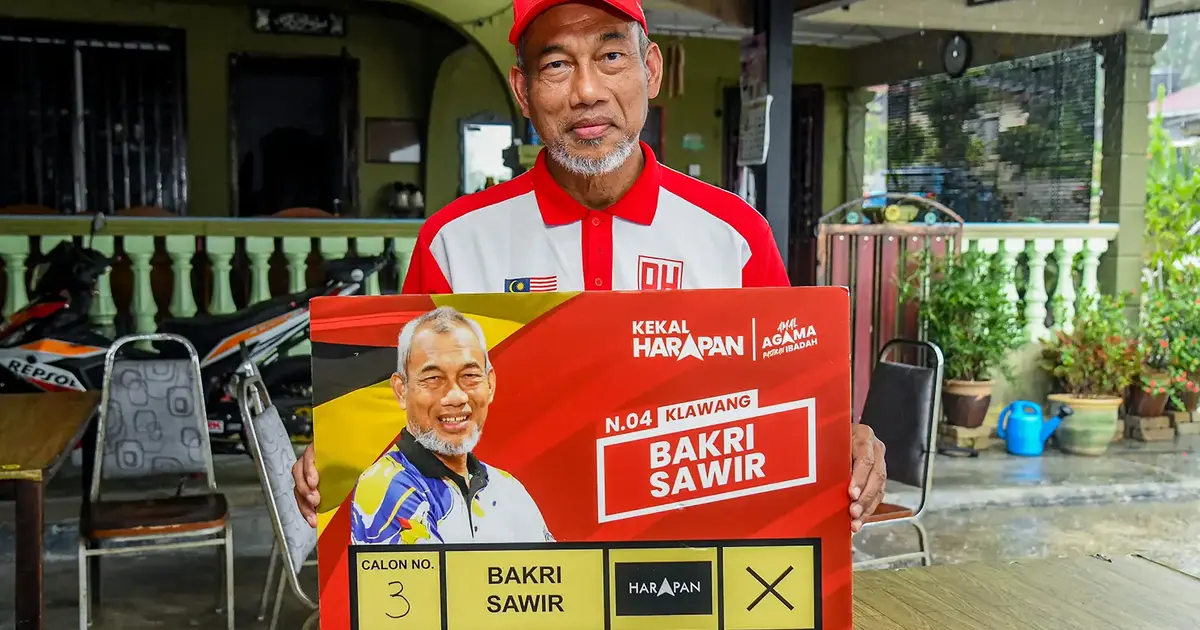
Two-term Klawang assemblyman Bakri Sawir has dismissed concerns about the strengthened coalition between Barisan Nasional and Perikatan Nasional, asserting that his previous electoral success proves he can secure victory without Umno's support. The Pakatan Harapan representative's confidence reflects the complex political dynamics currently unfolding across Selangor, where the traditional power structures continue to shift and realign ahead of upcoming electoral contests.
Sawir's remarks come against the backdrop of the 2023 Selangor state election, where he characterizes his experience with Umno as a betrayal that ultimately tested his resolve but did not diminish his political standing. His decision to frame past difficulties as motivational rather than deterring suggests a calculated effort to project strength and independence to his constituents. This narrative resonates with a broader sentiment among some PH figures who have gradually grown more assertive in positioning themselves as alternatives to the traditional powerbrokers within the BN framework.
The Klawang constituency holds particular strategic importance within Selangor's political landscape. Nestled within one of Malaysia's most densely populated and economically significant states, Klawang represents a microcosm of the diverse voter demographics that increasingly demand accountability and direct engagement from their representatives. The emergence of candidates like Sawir, who claim to operate independently of larger party machinery when necessary, reflects changing voter preferences toward localized representation and grassroots politics.
The BN-PN coalition agreement introduces new competitive pressures across multiple constituencies, including Klawang. This partnership potentially consolidates opposition to PH in ways that previous electoral cycles did not witness. However, Sawir's assertion that he has navigated such challenges before suggests he believes his personal credibility and ground organization remain sufficient to overcome structural disadvantages imposed by larger political alliances. His two-term incumbency provides tangible evidence of electoral viability, even if circumstances have shifted since his last victory.
Understanding Sawir's confidence requires examining the mechanics of local politics in Selangor, where personality and community connections often outweigh broader national political narratives. Assemblymen who successfully deliver constituency services, engage regularly with residents, and address local grievances frequently retain voter loyalty regardless of fluctuations in national sentiment or coalition alignments. Sawir's longevity in the position suggests he has cultivated such relationships, though maintaining them in a more fractured political environment presents genuine challenges.
The reference to past betrayal by Umno during the 2023 state polls carries implications beyond mere campaign rhetoric. It indicates that relationships between PH and BN component parties remain fraught with tension, particularly at state and local levels where resource allocation, seat allocation, and recognition depend on complex negotiations. For voters, such narratives highlight the unreliability of certain political partnerships and may reinforce arguments for voting based on individual candidate merit rather than party affiliation alone.
Sawir's optimism, however, must be tempered against the structural realities facing PH in an increasingly polarized political environment. The BN-PN agreement creates a unified opposition machinery that did not exist during his previous election campaign. Both organizations bring different strengths to the coalition: BN provides established networks and traditional support bases, while PN offers newer mobilization capacity and appeals to specific voter segments. This combination potentially presents a more formidable challenge than Sawir previously faced.
The broader implications for PH are significant. If candidates like Sawir genuinely believe they can win without their party's traditional alliances, or if they perceive the party as occasionally unreliable, this may reflect deeper organizational vulnerabilities. Party leadership would need to address whether local discontent with PH's national strategy or coalition choices is eroding confidence in the party's ability to support its representatives. Alternatively, Sawir's confidence might simply reflect the genuine popularity some PH figures enjoy in their constituencies, warranting respect rather than concern.
For Malaysian voters in Selangor and beyond, Sawir's campaign positions represent an emerging model of electoral competition. Rather than accepting predetermined alliance outcomes, some candidates are positioning themselves as independent actors capable of appealing across traditional partisan lines. This approach acknowledges voter frustration with party politics while maintaining formal party affiliation—a delicate balance that requires both substantial personal credibility and effective communication about local achievements.
Moving forward, Sawir's claim will be tested against the actual electoral machinery deployed by the BN-PN coalition in his constituency. While personal popularity and constituency service matter significantly, access to campaign resources, volunteer networks, and media coverage—often determined by party and coalition infrastructure—remains crucial to electoral success. His willingness to challenge assumptions about Umno's indispensability suggests either genuine confidence in alternative support sources or strategic positioning that may not withstand sustained competitive pressure.
The Klawang assemblyman's rhetoric ultimately serves multiple audiences: constituents who appreciate his independence from larger party structures, PH leadership potentially vulnerable to intra-party criticism, and observers tracking how Southeast Asian political systems adapt to coalition realignment and increasingly fragmented electoral landscapes. Whether Sawir's confidence translates into actual electoral victory will significantly influence how similar candidates position themselves in future campaigns across the region.

