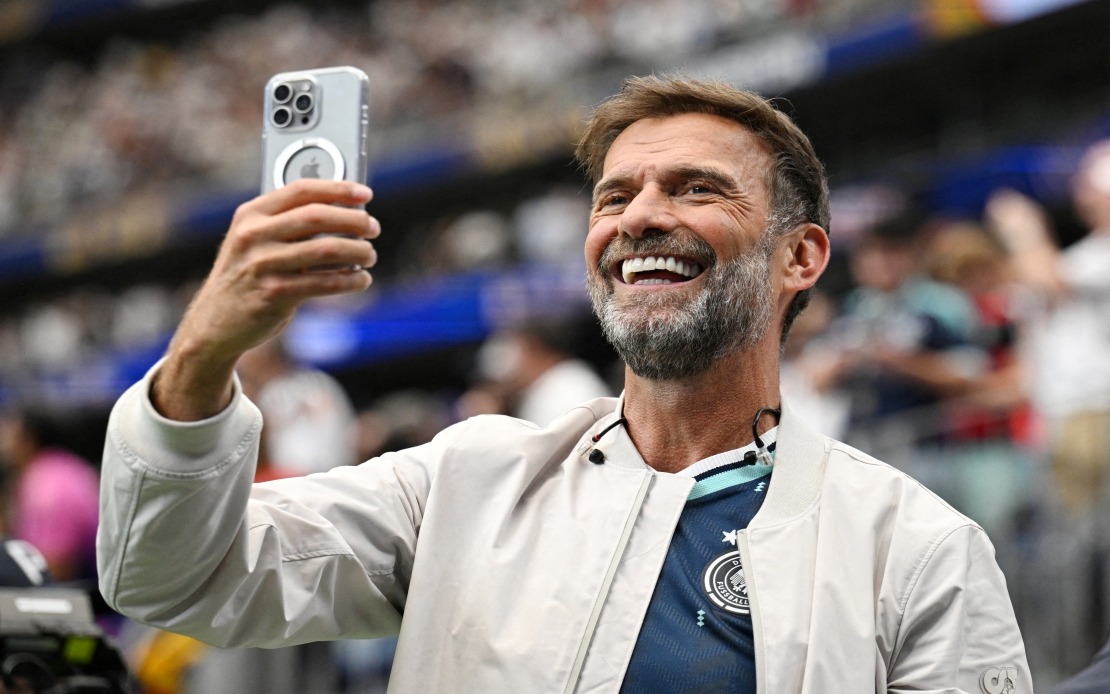
Jürgen Klopp has publicly acknowledged that he is engaged in substantive discussions with the German Football Federation regarding the vacant position of national team coach, a role left open following Julian Nagelsmann's departure. Speaking to MagentaTV, the prominent German manager indicated that while he has proven his readiness for the challenge, the negotiation process will demand considerable time and careful deliberation before any agreement materialises.
Nagelsmann stepped down from his position on Friday after nearly three years leading the German national side, a tenure that concluded disappointingly with elimination from the World Cup in the last 32 stage following a penalty shootout defeat to Paraguay. The circumstances surrounding Germany's exit from the tournament have prompted the DFB to seek a new direction, with Klopp emerging as a leading contender for the role given his distinguished track record in elite football management.
The 57-year-old Klopp, who most recently served as manager of Liverpool before departing in the summer of 2024, currently holds the position of Head of Global Soccer at Red Bull. He emphasised that the extended timeline for resolving this potential appointment reflects the complexity of the situation, noting that the underlying challenges facing German football extend beyond individual personalities. Klopp stressed that the fundamental issues the national team must address are systemic rather than attributable solely to Nagelsmann's tenure, suggesting that any incoming coach would inherit substantial structural problems requiring comprehensive solutions.
Klopp's statement that he is "more than recharged" and ready to take on new responsibilities signals his enthusiasm despite the demanding nature of managing a national team still grappling with disappointment. His recent sabbatical from active coaching has provided him with renewed energy and perspective after years of intensive work at Liverpool, during which he led the Merseyside club to unprecedented success including a Premier League title and Champions League triumph.
In characterising Nagelsmann as an "extraordinary coach," Klopp acknowledged the complexity of assessing performance when outcomes diverge sharply from expectations. He suggested that the narrative surrounding the German job would have been fundamentally different had the team advanced further in the tournament, highlighting how tournament football's unforgiving nature can obscure managerial quality and decision-making. This measured assessment demonstrates Klopp's understanding of the pressures inherent in international football management, where single matches can determine legacies.
A significant complication in the process involves Klopp's existing contractual obligations to Red Bull, under whose banner he currently works until 2029. He has engaged in preliminary conversations with Red Bull's chief executive Oliver Mintzlaff to explore whether a pathway exists to release him from these obligations. Klopp's approach emphasises mutual benefit, suggesting that any resolution must enable Red Bull to emerge from the situation with its reputation and strategic interests intact, reflecting his appreciation for the organisation that hired him after his Liverpool departure.
The DFB's approach to Klopp represents a strategic choice to seek experienced, proven leadership during a transitional period for German football. Having won two Bundesliga titles with Borussia Dortmund and earning respect across Europe through his success with Liverpool, Klopp brings credibility and winning mentality that could potentially revitalise the national programme. His previous interest in the Germany job, discussed on multiple occasions in recent years, suggests mutual recognition between the DFB and Klopp regarding his suitability for the position.
For Malaysian and Southeast Asian observers, this development illustrates the global circulation of elite coaching talent and how major European football federations pursue managerial solutions. The potential appointment of Klopp would represent a significant investment in experience and pedigree, reinforcing how national teams compete for the world's most accomplished coaches. It also demonstrates the complex financial and contractual negotiations that accompany high-level football appointments, particularly when candidates remain under existing professional commitments.
The timeline for resolution remains uncertain, with Klopp's emphasis on "intensive talks" suggesting weeks rather than days of negotiation ahead. The DFB must balance its desire to install a new coaching regime with the practical constraints of resolving Klopp's Red Bull position and potentially addressing severance or alternative arrangements. This extended process may frustrate stakeholders eager for clarity, but Klopp's insistence on thorough deliberation suggests he is approaching the decision with appropriate seriousness rather than rushing into a commitment that could ultimately prove unsustainable.
The outcome of these negotiations will carry significance beyond Germany's borders, potentially influencing patterns of managerial movement across European football and signalling the DFB's commitment to appointing a coach of Klopp's calibre despite the administrative and financial complications involved. Whether the federation and Red Bull can craft an agreement satisfying all parties remains the critical question as discussions progress into the coming weeks.

