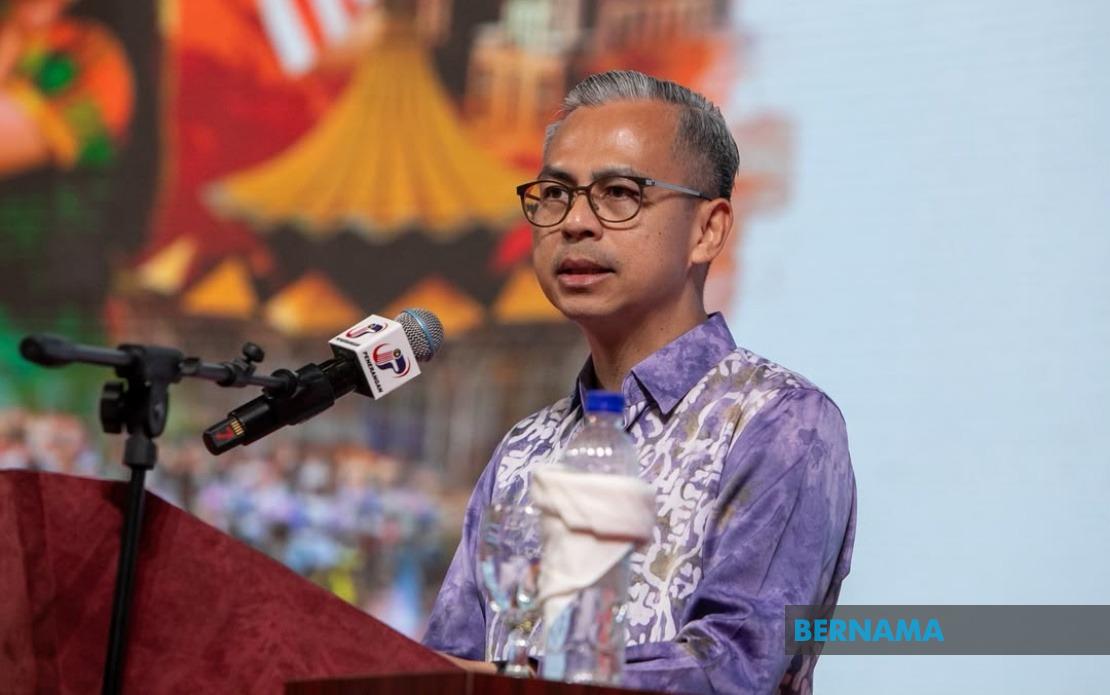
Malaysia's flagship patriotic initiative, the Kembara Merdeka Jalur Gemilang convoy, will retain its prominent role in fostering national pride and cohesion among citizens, Communications Minister Datuk Seri Fahmi Fadzil affirmed at the launch of the 2026 National Month campaign in Ipoh on July 19. The mobile convoy programme remains instrumental in deepening Malaysians' connection to their nation and strengthening the bonds that unite a diverse population across the country.
The 2026 National Month and Malaysia Day celebrations will operate under the theme 'Malaysia MADANI: Kesejahteraan Dinikmati' (Malaysia MADANI: Shared Prosperity), with the KMJG convoy positioned as a centrepiece activity within the broader observance. Despite budget constraints that will necessitate prudent resource management during this year's festivities, the government has prioritised maintaining initiatives that reinforce patriotic sentiment and deepen citizens' appreciation for the nation's independence and achievements.
Fahmi's remarks reflect the administration's strategic emphasis on using visible, engaging programmes to connect government messaging with grassroots communities. The convoy concept, which brings patriotic displays and symbolic activities directly to towns and cities nationwide, bypasses traditional media channels and creates direct public engagement. This hands-on approach has proven effective in generating enthusiasm, particularly among younger demographics who might otherwise have limited exposure to national observances.
Complementing the convoy initiative, the government will intensify the 'One House, One Jalur Gemilang' campaign, which encourages individual households to display the national flag. This decentralised approach transforms patriotic expression from a government-orchestrated event into a personal, voluntary commitment by citizens. By normalising the presence of the Jalur Gemilang in residential areas, the initiative aims to reinforce symbols of sovereignty, unity, and national pride in the everyday landscape of Malaysian communities.
The flag-flying campaign carries particular significance in a multicultural nation where shared symbols can transcend ethnic and religious boundaries. The national flag represents not ethnic or religious identity but the collective commitment of all Malaysians to their shared homeland, making it a unifying emblem that resonates across demographic lines. Encouraging widespread flag display at household level amplifies this message of inclusive national belonging.
Prime Minister Datuk Seri Anwar Ibrahim, who officially launched the campaign at the Sultan Azlan Shah Ministry of Health Training Institute in Tanjung Rambutan, underscored the government's commitment to these patriotic initiatives. His attendance alongside National Unity Minister Datuk Aaron Ago Dagang and Perak Menteri Besar Datuk Seri Saarani Mohamad demonstrated the cross-ministerial coordination required to sustain these programmes effectively. Such high-level participation signals that these celebrations form part of the broader national agenda rather than peripheral activities.
The timing of the 2026 celebrations holds particular relevance for Malaysia. As the nation progresses with its developmental agenda and navigates complex regional and global dynamics, reaffirming national identity and social cohesion becomes increasingly important. Economic pressures, demographic shifts, and evolving social expectations create environments where deliberate efforts to strengthen unity prove valuable.
The KMJG convoy's evolution reflects lessons learned from previous iterations about what engages citizens most effectively. Rather than abstract patriotic messaging, the convoy delivers tangible experiences, allowing families to interact with symbolic content and participate in celebrations. This experiential dimension makes patriotic appeals more memorable and emotionally resonant than purely rhetorical approaches.
For the broader Southeast Asian region, Malaysia's emphasis on maintaining inclusive, multi-communal national celebrations offers a model worth observing. Many countries in the region grapple with balancing national identity affirmation with the imperatives of multicultural coexistence. Malaysia's approach—using shared symbols and nationwide programmes that welcome participation across all communities—demonstrates that patriotic sentiment need not be divisive when constructed thoughtfully.
The financial constraints mentioned by Fahmi also reflect post-pandemic budgetary realities affecting many governments. Rather than scaling back patriotic initiatives entirely, the administration opted to maintain core programmes while optimising resource allocation. This approach preserves continuity in national observances while respecting fiscal limitations, suggesting that commitment to national unity remains non-negotiable even amid economic pressures.
Looking ahead to 2026, the success of the KMJG convoy and flag-flying campaign will likely depend on sustained promotion and community engagement strategies. Government agencies, local authorities, and community leaders will need to work collaboratively to ensure these initiatives gain meaningful traction beyond urban centres, reaching smaller towns and rural areas where citizens may have less exposure to national campaigns. The inclusive framing of these programmes—encouraging voluntary participation rather than mandating compliance—positions them for organic growth within communities.

