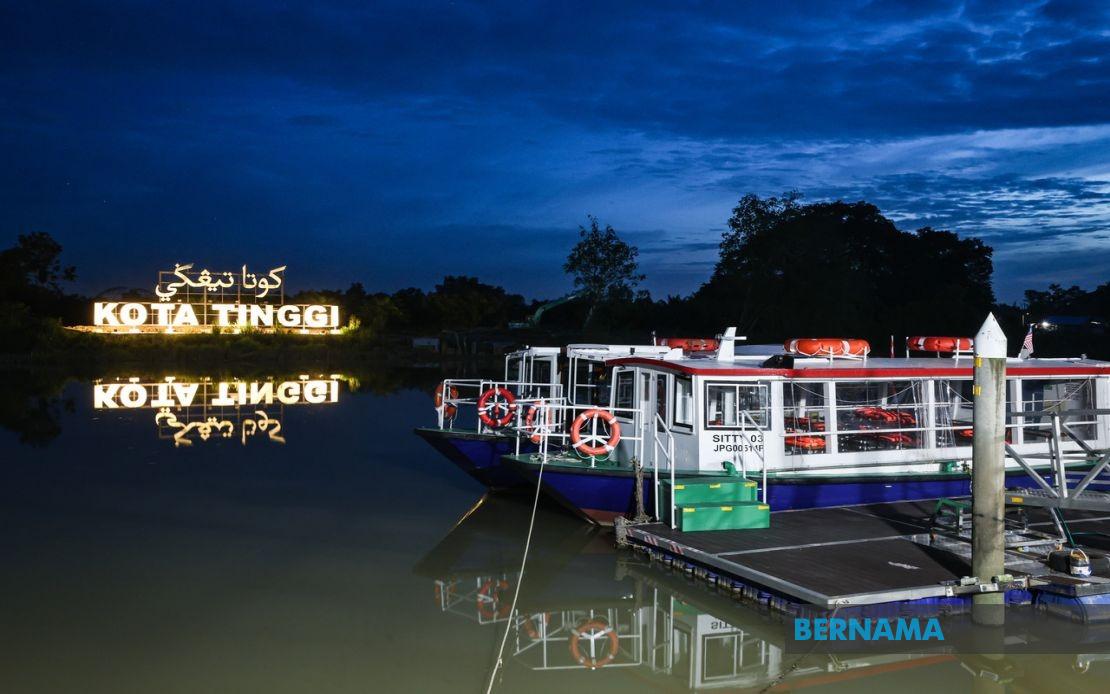
Passengers boarding boats at Pangkalan Kota Jetty in Kota Tinggi are embarking on more than a leisurely ride across water. The Kota Tinggi River Cruise (KTRC) has positioned itself as a dual-experience attraction, merging the region's storied past with its ecological present as part of Johor's broader Visit Johor 2026 initiative. Since commencing operations, the venture has demonstrated strong appeal, welcoming over 10,000 visitors within its first seven months and establishing itself as a noteworthy ecotourism product for a state increasingly focused on diversifying its tourism portfolio beyond traditional attractions.
The 6.7-kilometre journey along Sungai Johor represents a fundamental shift in how heritage tourism is being packaged in Johor. Where the riverbank once served as the arterial corridor for the Johor-Riau Sultanate following Malacca's collapse in the 16th century, it now functions as an open-air museum. The river sustained early settlements including Johor Lama and Kampung Makam, burial grounds for several former sultans whose legacies remain woven into the landscape. According to KTRC operations manager Aiman Haikal Mohd Azmi, this royal history forms the cruise's principal draw, particularly for visitors from neighbouring Singapore, Indonesia, and Brunei seeking deeper engagement with Malay-Islamic heritage than conventional tourist circuits typically provide.
The daytime experience guides passengers past landmarks of historical and contemporary significance. Titian Laksamana, a pedestrian suspension bridge, and the Johor River Barrage frame photogenic vistas while serving as anchors for structured storytelling. Throughout the approximate one-hour journey, onboard narration or audio commentary introduces passengers to legendary figures such as Sultan Mahmud Mangkat Dijulang and Laksamana Bentan, contextualising their roles within the sultanate's trajectory. This interpretive layer transforms what might otherwise be an ordinary scenic cruise into a mobile classroom, allowing visitors to absorb narratives of statecraft, maritime power, and cultural resilience whilst observing the physical infrastructure—crumbling riverside structures and vantage points overlooking contemporary Kota Tinggi—that anchors those stories in tangible reality.
The operator's diversified product offerings reflect sophisticated understanding of market segmentation. Standard daytime cruises priced at RM20 for adults, RM15 for children, and RM10 for seniors and persons with disabilities target families and educational groups. However, KTRC has strategically extended its operational window to capture experiences unavailable during daylight hours. The sunset and firefly cruises, priced marginally higher at RM23, RM17, and RM13 respectively across the same demographic categories, leverage the river's transformation at dusk. The firefly package represents particularly astute positioning, capitalising on the region's bioluminescent ecosystem and aligning with global trends in experiential and nature-based tourism. Extended operating hours until 10 pm on weekends accommodate leisure travellers and weekend excursionists, whilst the weekday 9 am to 7 pm schedule serves school groups and domestic tourists.
The dining cruise variant introduces yet another revenue stream whilst enhancing the experience economy. Passengers enjoying meals aboard witness Kota Tinggi's panoramic character from a perspective unavailable to land-based visitors. This packaging model—combining gastronomic experience, heritage interpretation, and natural scenery—elevates the offering beyond conventional tourist activities and appeals to higher-value visitors and occasion-based travellers, including families marking celebrations and corporate groups seeking team-building alternatives.
From a Southeast Asian tourism perspective, Kota Tinggi's river cruise initiative arrives at an opportune moment. Regional travel patterns have shifted markedly toward experiential and culturally immersive tourism, particularly among affluent urban populations and international visitors seeking authenticity beyond shopping malls and beach resorts. The venture's reported success in attracting cross-border visitors from Singapore, Indonesia, and Brunei suggests the product has transcended parochial appeal and achieved regional relevance. This positioning strengthens Johor's competitive standing within Southeast Asia's increasingly crowded ecotourism marketplace.
The ecological dimension of KTRC's operations warrants consideration alongside commercial success. Aiman Haikal emphasised that heritage and nature-based tourism initiatives function as custodians of river ecosystem integrity. The shift toward valuing the Sungai Johor as a tourism asset creates economic incentives for conservation—a powerful tool in developing nations where budget constraints frequently compromise environmental stewardship. When local communities perceive direct economic benefit from pristine ecosystems, support for protective measures strengthens considerably. The cruise operator's success thus potentially catalyses broader environmental awareness and community investment in the river's health.
The operator's stated reliance on state government support underscores the symbiotic relationship between public sector enabling infrastructure and private sector innovation. The Johor River Barrage, pedestrian bridges, and riverside access points represent public investments that private operators leverage to generate value. Conversely, KTRC's commercial success and visitor flows justify ongoing public investment in riverside amenity maintenance and expansion. This dynamic between government and business creates multiplicative benefits for local communities through employment, vendor opportunities, and infrastructure improvement.
Operational logistics reflect mature planning. Hourly departures from 9 am onwards ensure accessibility for various schedule preferences without overwhelming carrying capacity. The tiered pricing structure incorporating senior citizen and disability concessions demonstrates inclusive design principles increasingly expected by conscientious tourism operators. Ticket affordability relative to the experience duration and heritage content provided positions the attraction as accessible to middle-income Malaysian families rather than exclusively catering to affluent tourists.
The broader implications for Johor's tourism strategy merit attention. Rather than competing directly with established destinations like Kuala Lumpur or Penang through comparable urban attractions, Johor is cultivating a distinctive positioning centred on sultanate heritage, natural ecosystems, and cultural authenticity. Kota Tinggi's river cruise exemplifies this differentiation strategy. As Visit Johor 2026 unfolds, such signature experiences may become anchors around which comprehensive destination marketing coalesces, establishing the state as Southeast Asia's premier sultanate heritage destination.

