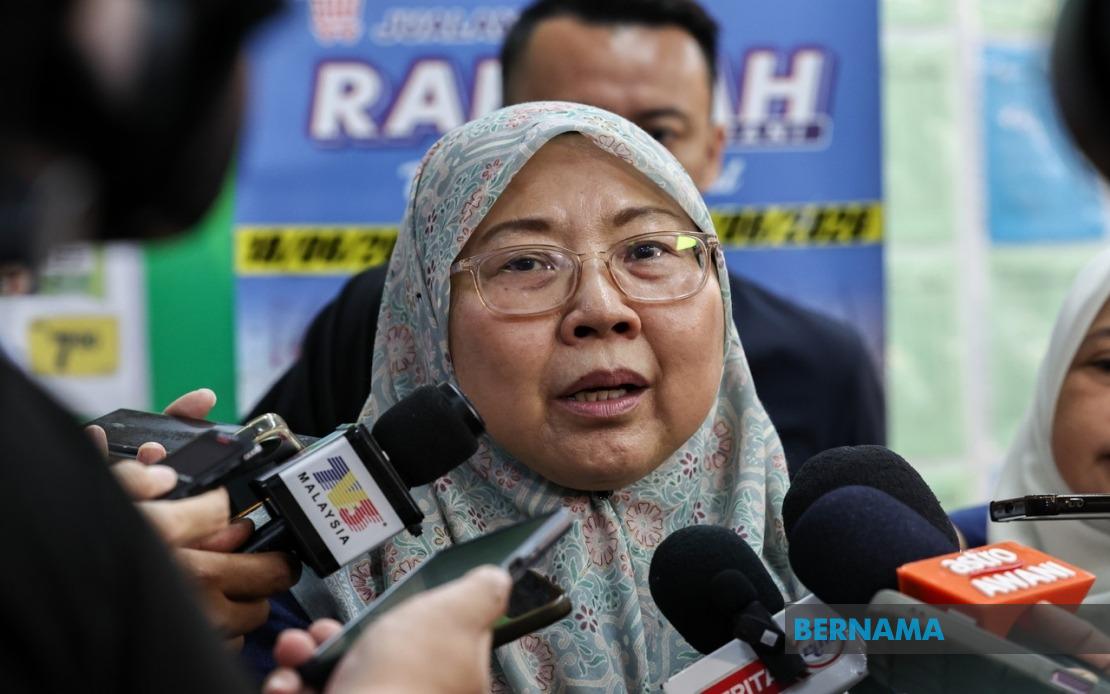
The Ministry of Domestic Trade and Cost of Living has moved to reassure citizens that supplies of essential goods will remain plentiful in Johor and Negeri Sembilan leading up to the state elections scheduled for July 11. Deputy Minister Datuk Dr Fuziah Salleh made the assurance on June 19, emphasising that despite mounting global logistics expenses stemming from the West Asia conflict, the government has adopted comprehensive preventive measures to shield the supply chain from potential disruptions. The ministry's confidence comes as officials anticipate elevated consumer demand during the election period from both state officials and visitors arriving from outside the region.
To address anticipated supply pressures, KPDN has overhauled its distribution methodology for price-controlled cooking oil, a staple commodity that frequently experiences shortages during periods of heightened demand. Under the revised system, repackers now deliver subsidised oil directly to retail points rather than routing shipments through intermediate wholesalers, a streamlining designed to reduce handling delays and minimise opportunities for stock diversion. This structural change represents a significant operational adjustment aimed at ensuring consumers can access affordable cooking oil without facing empty shelves during the election period.
Johor's allocation of subsidised cooking oil stands at over 3,000 metric tonnes monthly, managed across a network of 18 repackers working in coordination with 95 distribution points scattered throughout the state. The distribution points encompass diverse retail channels, notably including Econsave supermarket branches, collectively intended to saturate local markets with affordable supplies. Following an inspection at the Econsave outlet in Taman Daya, the deputy minister confirmed that existing inventory levels appeared healthy, with approximately 100 cartons of subsidised cooking oil flowing through the store daily to match neighbourhood consumption patterns.
To prevent diversion of subsidised goods to unintended recipients, KPDN has instituted checkpoint controls at checkout counters requiring either application-based verification or MyKad identity card presentation. These gatekeeping mechanisms aim to restrict purchase eligibility exclusively to Malaysian citizens, thereby closing avenues through which subsidised commodities might leak into black markets or cross state lines. Such accountability measures reflect government concern about the fiscal implications of subsidy leakage, particularly during election cycles when public spending comes under heightened scrutiny.
Beyond oil supply assurance, the deputy minister highlighted the broader performance of the Rahmah MADANI Sales Programme, a government initiative designed to ease cost-of-living pressures across Malaysian households. Since the programme's inception on January 1 through mid-June 2026, KPDN orchestrated 13,692 promotional events nationwide, successfully engaging millions of citizens in subsidised shopping opportunities. Within Johor specifically, the programme conducted 920 separate sessions distributed across all 56 state constituencies, collectively attracting 2.3 million visitors who completed over 1.46 million transactions. These participation metrics underscore public appetite for subsidised purchasing venues and demonstrate the scale of government intervention in controlling retail prices.
For Malaysian and Southeast Asian readers monitoring price stability in the region, KPDN's proactive stance carries relevance beyond Johor's borders. Supply chain vulnerabilities affecting Malaysia's essential goods sectors reflect broader vulnerabilities facing the entire region, where geopolitical tensions in West Asia drive up transportation costs across international shipping routes. Malaysia's approach to maintaining price controls through direct distribution channels and transaction verification offers a blueprint for how democratic governments manage commodity accessibility during politically sensitive periods whilst containing fiscal costs through leakage prevention.
The timing of these assurances merits examination. Election campaigns frequently generate inflationary pressure through concentrated spending and heightened consumer expectations, yet governments simultaneously face pressure to demonstrate competence in price management. KPDN's emphasis on systems innovation—particularly the bypassing of wholesale intermediaries—suggests confidence that bureaucratic streamlining can substitute for market-wide price pressures. Whether such operational improvements prove sufficient if global logistics costs continue climbing remains an open question for the coming weeks.
The election timeline itself establishes distinct pressure points for supply management. Nomination day falls on June 27, with early voting scheduled for July 7 and main polling on July 11. This compressed calendar creates a narrow window for managing demand spikes and inventory adjustments. The government's early declaration of preparedness, made well ahead of these milestones, appears designed to forestall public anxiety about potential shortages and prevent panic purchasing that could self-fulficially create stockouts.
For consumers in Johor and Negeri Sembilan, the practical implications involve accessing subsidised goods through official retail channels under the verification requirements outlined by the deputy minister. The Rahmah MADANI programme's extensive reach, having already generated millions of transactions nationwide, indicates that shopping venues and promotion schedules should remain accessible throughout the election period. However, the continued reliance on global supply chains means that unexpected disruptions—whether from escalating Middle East tensions, shipping delays, or other unforeseen circumstances—could still impact availability despite current official confidence.