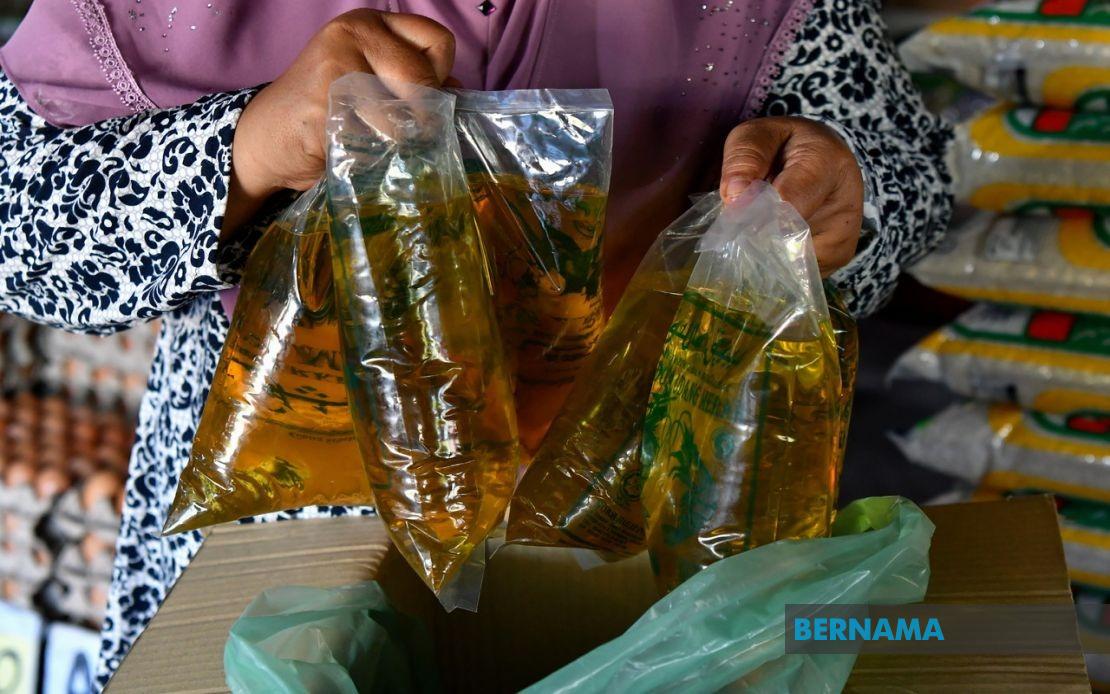
The Domestic Trade and Cost of Living Ministry has committed to examining recommendations from the Public Accounts Committee regarding the nation's cooking oil subsidy framework and price management strategies. The announcement comes after the PAC tabled its findings in the Dewan Rakyat on July 16, highlighting concerns about subsidy leakage and system vulnerabilities that have plagued Malaysia's Cooking Oil Stabilisation Scheme since its inception. Minister Datuk Armizan Mohd Ali indicated that the ministry recognises the need for structural reforms to prevent the misuse of subsidised cooking oil and ensure that government support reaches intended beneficiaries rather than profiteers or foreign nationals.
At the heart of the ministry's modernisation efforts lies the electronic Cooking Oil Stabilisation Scheme System, commonly known as eCOSS, which has been under development since 2023. The initiative represents a fundamental shift from manual, paper-based record-keeping to a digital infrastructure designed to track cooking oil movements throughout the supply chain. Currently, the rollout is proceeding in two distinct stages: first, the gradual integration of eCOSS protocols across refinery operations, distribution channels, and retail points; second, the expansion through a dedicated eCOSS Mobile Application that commenced pilot testing in May 2025. This technological transformation is essential because the previous system's reliance on manual documentation created multiple opportunities for record manipulation, diversion of supplies, and subsidy theft by unscrupulous operators.
The digital ecosystem will receive a significant boost through integration with Malaysia's national identity verification system. The National Registration Department is introducing an updated identity card format that will enable users to authenticate their eligibility for subsidised cooking oil through QR code scanning at the point of purchase. This biometric linkage serves multiple objectives: it creates an auditable record of each transaction, prevents duplicate purchases by individual households, and most importantly, establishes a technological barrier preventing foreign nationals from accessing subsidies intended exclusively for Malaysian citizens. The implications of this restriction are substantial, as leakage to non-citizens has been identified as a chronic problem draining government resources.
Another dimension of the PAC's critique centres on the dominance of foreign-owned refineries within Malaysia's cooking oil production landscape. The committee has recommended that the ministry redistribute refining quotas to promote competition and strengthen local operators. Currently, the government has not formally allocated quotas to specific refineries; instead, repackers independently select suppliers based on pragmatic considerations including transportation costs, credit availability, pricing competitiveness, and supply reliability. The ministry is now contemplating phased interventions to encourage repackers to source more heavily from domestically owned facilities. These measures would include imposing quota requirements that shift a portion of purchases toward local refiners and establishing formal business matching mechanisms to facilitate direct relationships between Malaysian-owned refineries and repackaging companies. Such restructuring could protect domestic industry while simultaneously reducing opportunities for foreign firms to manipulate supply arrangements for profit.
Implementation of the enhanced scheme also includes several consumer-level restrictions designed to prevent subsidy diversion. The ministry has prohibited the retail sale of one-kilogramme packets of cooking oil to non-Malaysian citizens, a measure targeting a known vulnerability where small quantities were purchased and either consumed by foreign workers or exported unofficially. Additionally, the eCOSS framework is being integrated with the Sumbangan Asas Rahmah scheme, a broader government assistance programme that consolidates various subsidy mechanisms. This integration allows for cross-verification of beneficiary eligibility and reduces administrative redundancies across multiple ministries. Enforcement mechanisms have been simultaneously streamlined to allow regulators to conduct targeted inspections and investigations based on digital alerts generated by the eCOSS platform, rather than relying on traditional field audits.
The ministry's approach reflects acknowledgment that controlling subsidy leakage requires coordination across multiple stakeholder groups. Compliance expectations now extend to refinery operators, repackers, wholesalers, retailers, and logistics providers—each of whom occupies a critical position within the supply network. Any party discovered operating outside legal parameters faces enforcement action, creating incentives for voluntary compliance. The seriousness with which the ministry views subsidy abuse is underscored by its statement that KPDN will pursue strict sanctions against violators regardless of their position within the industry hierarchy.
This policy shift arrives against a backdrop of mounting fiscal pressure on Malaysia's government budget. Cooking oil subsidies represent a substantial recurring expenditure, and without effective controls, the programme becomes increasingly difficult to justify as a use of public funds. The PAC's investigation apparently determined that current mechanisms are insufficient to prevent losses through various schemes, whether organised diversion by large operators or opportunistic purchases by foreign nationals. The comprehensive nature of the recommended reforms—spanning technology adoption, quota redistribution, identity verification, and enforcement capacity—suggests the committee found systemic rather than marginal problems.
For Malaysian consumers and businesses, the implications are multifaceted. Those eligible for subsidised cooking oil will eventually benefit from a more efficient distribution system that reduces shortages caused by leakage and hoarding. Small retailers and repackers operating legitimately should experience more predictable supply chains once local refineries gain strengthened market positions. Conversely, operators accustomed to exploiting ambiguities in the previous system face heightened risk of detection and penalty. The digital tracking infrastructure will create an auditable trail of transactions, fundamentally altering the economics of subsidy arbitrage.
The ministry's commitment to implementing these recommendations, while respecting the PAC's independent parliamentary mandate, demonstrates acceptance that the existing Cooking Oil Stabilisation Scheme requires substantial structural reform rather than incremental adjustment. The convergence of technology deployment, regulatory redirection toward local producers, and tightened eligibility verification represents a comprehensive strategy to align subsidy benefits with policy intent. Successful execution will depend on coordination across government agencies, sustained investment in eCOSS infrastructure, and willingness of industry stakeholders to adopt new operational procedures. The PAC's 2026 report has essentially provided a roadmap for transforming a well-intentioned but leak-prone subsidy programme into one capable of delivering targeted support while protecting public resources from exploitation.

