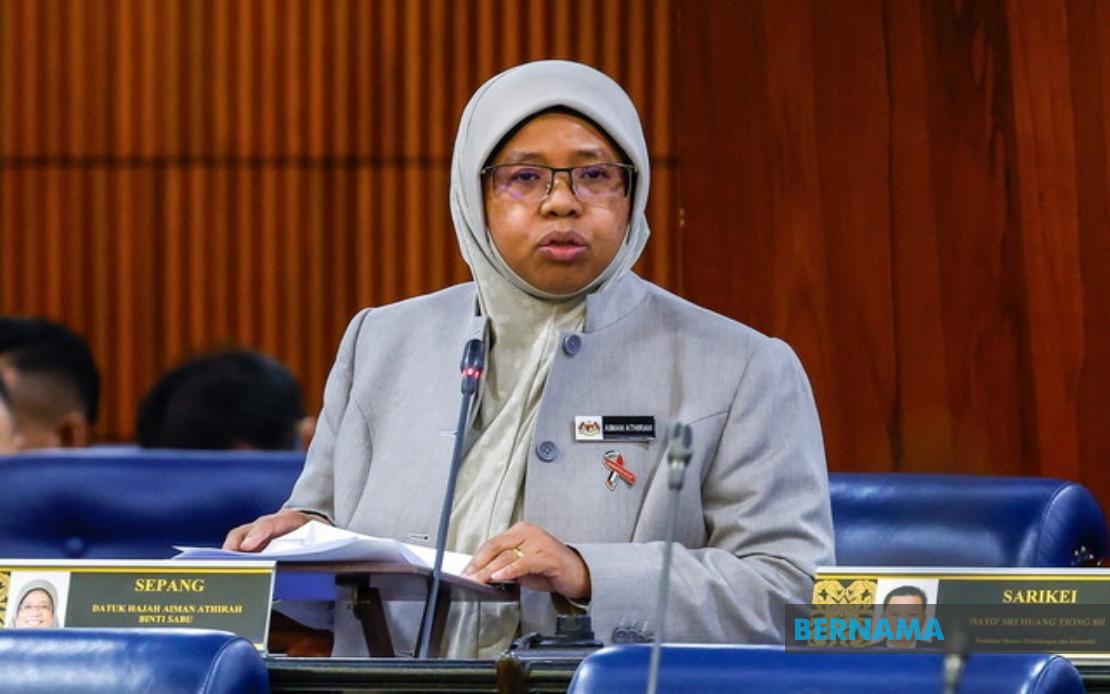
The Ministry of Housing and Local Government has moved to accelerate development in historically marginalised communities by greenlighting 594 improvement projects spanning Chinese new villages and Indian settlements, representing a combined investment of RM73 million during the current fiscal year. The ambitious portfolio, revealed during parliamentary proceedings, signals renewed government commitment to addressing infrastructure gaps and improving quality of life in communities that have long struggled for resource allocation and public attention.
The development pipeline consists predominantly of projects targeting the 573 Chinese new villages scattered across Malaysia, supplemented by 21 separate initiatives benefiting Indian villages in six states. This breakdown reflects both the geographical spread of Chinese new village settlements and a comparatively newer focus on Indian community development, which only commenced receiving dedicated ministry coordination beginning in 2025. The distinction underscores how different disadvantaged communities have received varying levels of institutional support over time, with established infrastructure frameworks for Chinese new villages contrasting with emerging programmes for Indian settlements.
Within the Chinese new village component, infrastructure investment forms the largest segment, encompassing 366 distinct projects designed to upgrade basic amenities, roads, water systems, and public facilities. Of these infrastructure initiatives, nearly 41 percent—148 projects—have already reached completion, whilst 218 remain actively under construction or in implementation phases. This relatively strong completion rate suggests effective execution capacity within the ministry's project management frameworks, though the substantial pipeline of ongoing work indicates that infrastructure deficits across these villages remain considerable.
The housing assistance segment represents another crucial pillar of the development strategy. A total of 197 projects under the Housing Repair Assistance Programme have received approval, targeting deteriorating residential structures across new villages. Currently, only 47 of these repair initiatives have concluded, whilst 150 are progressing through various implementation stages. Additionally, the New Village Housing Construction Assistance Programme has greenlighted ten projects intended to support residents in building new homes, though notably, construction has not yet commenced on any of these ten schemes, suggesting either procurement delays or preparatory administrative processes still underway.
The Indian village component, whilst substantially smaller in numerical terms, represents a significant policy shift toward inclusive development. Eighteen villages distributed across Johor, Melaka, Selangor, Kuala Lumpur, Perak, and Negeri Sembilan have been identified as priority locations for development intervention under a RM2 million allocation. These projects encompass three broad categories: essential infrastructure improvements, enhancement of public amenities, and community safety enhancements—addressing fundamental concerns that have characterised these settlements for decades. The geographical concentration in peninsular states reflects current demographic patterns and existing administrative coordination capabilities.
Progress tracking reveals that five Indian village projects have been completed, thirteen are under active construction, two remain in procurement stages awaiting supplier selection and contract finalisation, and one project is still in preliminary planning phases. This distribution indicates a reasonably active implementation schedule, with over 70 percent of approved projects either completed or under construction. The slower pace compared to Chinese new village infrastructure projects may reflect the nascent nature of dedicated ministry coordination for Indian communities and the complexity of establishing new administrative pathways.
Historical investment patterns provide important context for understanding current initiatives. Between 2023 and 2024, the government channelled RM328.9 million toward Chinese new village development across 613 settlements nationwide, establishing a consistent funding trajectory that the current year's allocation appears designed to sustain. This cumulative commitment demonstrates multi-year strategic planning rather than ad-hoc resource allocation, suggesting institutional recognition that transforming community conditions requires sustained fiscal commitment beyond single budget cycles.
The Indian village programme reflects a more recent policy orientation. Dedicated ministry allocations commenced only in 2025, with an initial RM15 million directed toward 50 identified Indian villages through 87 distinct projects, serving 22,144 identified beneficiaries. This targeted approach differs from the broader geographic coverage accorded Chinese new villages, potentially reflecting either more recent community mobilisation efforts, differing administrative infrastructure, or updated government priorities toward previously overlooked populations. The allocation divides between RM10 million under the ministry's own 2025 budget initiative involving 54 projects and RM5 million administered through the Malaysian Indian Transformation Unit (MITRA) under its socioeconomic development programme.
For Malaysian communities observing these initiatives, the expanded project portfolio carries both immediate and longer-term implications. Enhanced infrastructure directly improves daily living conditions—better roads reduce transportation costs and journey times, upgraded water systems enhance health outcomes, and improved public facilities strengthen community cohesion. Housing repair assistance particularly benefits elderly residents and lower-income households lacking resources for structural maintenance, whilst construction assistance removes financial barriers to home ownership for qualifying families. The cumulative effect of 594 projects should reduce the infrastructure gap between these communities and better-resourced urban and suburban areas.
Regional perspectives offer additional insight. Southeast Asian neighbours have adopted varying approaches toward minority and historically marginalised communities, with some prioritising integration-focused policies whilst others emphasise community-specific development. Malaysia's strategy appears to combine targeted investment with community-specific pathways—the separate coordination mechanisms for Chinese new villages versus Indian villages reflect recognition that distinct communities possess different needs, administrative histories, and social structures. This differentiated approach contrasts with undifferentiated models but requires sensitive implementation to ensure equitable outcomes.
The parliamentary accountability mechanism through which these details emerged—direct questioning and ministerial response—ensures public scrutiny of implementation progress. Deputy Minister Datuk Aiman Athirah Sabu's detailed breakdown of project statuses, completion rates, and budget allocations provides constituents and monitoring bodies with verifiable benchmarks against which to measure future performance. This transparency framework, whilst not guaranteeing successful execution, establishes institutional mechanisms for tracking progress and identifying implementation bottlenecks.
Looking forward, the challenge extends beyond simple project completion. Sustainability requires ensuring that completed infrastructure receives adequate maintenance funding, that repair assistance reaches genuinely needful residents through transparent selection processes, and that new housing construction assistance enables long-term homeownership rather than creating temporary relief. The coming months will prove critical in determining whether these 594 projects translate theoretical commitments into tangible improvements in community conditions across Malaysia's Chinese new villages and Indian settlements.

