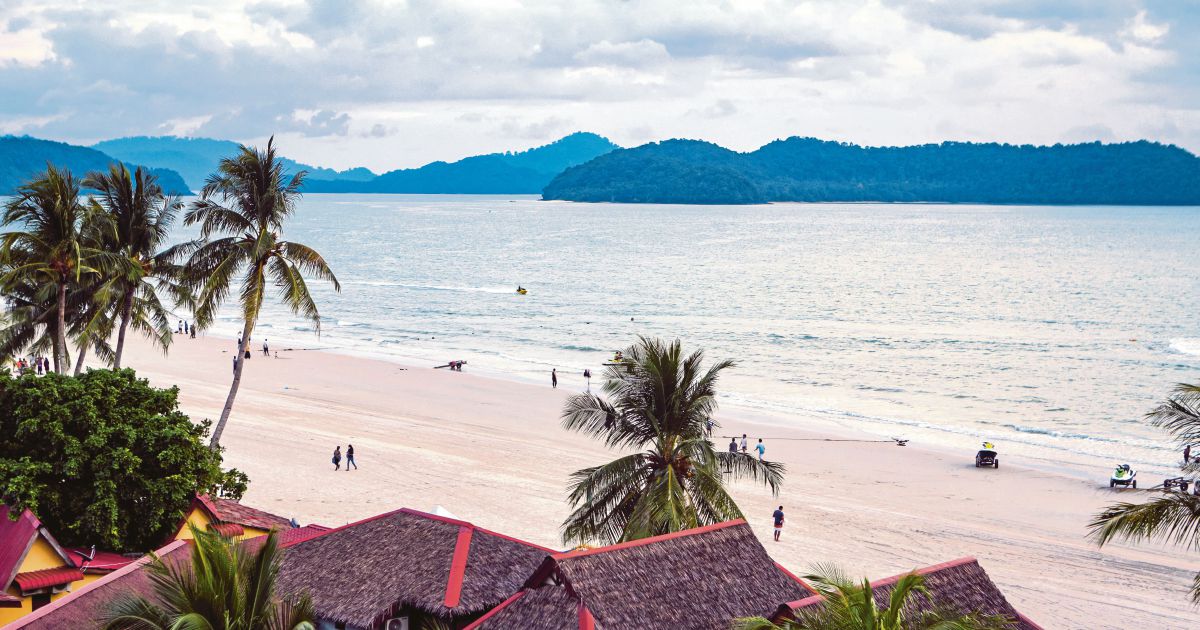
Former Prime Minister Tun Dr Mahathir Mohamad has raised concerns that Langkawi, nearly four decades into its duty-free status, remains significantly underdeveloped relative to what it could achieve, with the island realising approximately 50 per cent of its full economic and tourism potential. The candid assessment comes at a critical moment for Malaysia's tourism sector, which continues to recover from pandemic disruptions while facing mounting competition from neighbouring destinations across Southeast Asia.
The duty-free status conferred upon Langkawi in the mid-1980s was intended to catalyse rapid economic transformation, attracting investment and international visitor flows comparable to established regional competitors. The initial vision projected the island would emerge as a world-class destination offering shoppers and leisure travellers an unmatched combination of retail advantages, natural attractions, and world-class hospitality infrastructure. Yet despite these ambitious beginnings and substantial capital deployment, Langkawi's development trajectory has failed to match expectations or the progress achieved by rival island destinations across the region.
The warning about competitive vulnerability is particularly pertinent given the aggressive expansion strategies pursued by neighbouring tourism destinations. Thai islands such as Phuket and Samui, Bali in Indonesia, and increasingly emerging competitors across the Philippines and Vietnam have invested heavily in infrastructure modernisation, hospitality capacity expansion, and targeted marketing campaigns. These destinations have systematically enhanced their appeal to international travellers, particularly high-spending visitors from East Asia and beyond. The momentum established by these competing hubs now positions them formidably against Langkawi's current offering, despite Malaysia's natural advantages in terms of accessibility and political stability.
The gap between Langkawi's potential and actual performance reflects a complex web of factors beyond simple resource allocation. Infrastructure development, particularly transport connectivity and accommodation diversity, requires sustained investment commitment and strategic planning. The island's appeal depends not merely on duty-free shopping privileges but on the entire visitor experience, from airport operations and road networks to water management systems and environmental conservation. Addressing these foundational requirements demands coordinated effort across multiple government agencies, private sector partners, and local stakeholders—a challenge that has evidently proved difficult to execute effectively over multiple decades and successive political administrations.
Dr Mahathir's assessment carries weight given his historical association with Langkawi's development trajectory. His administration initiated the duty-free initiative and oversaw the island's initial transformation phase, providing him unique perspective on both the original ambitions and the subsequent implementation challenges. His candid acknowledgement that developmental targets have fallen substantially short suggests deep structural issues rather than temporary setbacks that might be readily corrected through marginal adjustments or incremental improvements.
The competitive landscape facing Langkawi extends beyond infrastructure and into the realm of market perception and destination branding. Successful tourism destinations cultivate distinctive identities that resonate with target visitor segments. Phuket has established itself as an adventure and nightlife hub, Bali projects cultural authenticity alongside resort luxury, while emerging competitors emphasize unique natural features or cultural experiences. Langkawi's positioning remains somewhat diffuse, lacking the sharp competitive differentiation that attracts and retains high-value visitor segments. This branding weakness compounds the material gaps in infrastructure and service quality.
The economic implications of Langkawi's underperformance extend beyond tourism revenues to encompass employment generation, local business development, and broader regional prosperity. Islands that effectively capitalise on tourist traffic create multiplier effects throughout their economies, supporting transport operators, restaurants, accommodation establishments, retail enterprises, and cultural attractions. When tourist flows fall below potential, these secondary employment and business opportunities diminish accordingly, limiting prosperity and opportunity for local communities who depend on tourism-driven economic activity.
Forward momentum requires strategic decisions about investment prioritisation and development direction. The duty-free framework alone, while valuable, appears insufficient to overcome competitive disadvantages that have accumulated over decades of relative underinvestment. Langkawi requires modernised airport facilities capable of handling larger aircraft and increasing passenger volumes, diverse accommodation options spanning luxury resorts to mid-range hotels, enhanced natural attraction management and interpretation, and aggressive international marketing positioning the island against specific competitor destinations.
Regional tourism patterns continue shifting, with growing numbers of middle-class travellers from China, India, and within Southeast Asia itself seeking accessible, value-conscious destinations. This expanding market segment potentially represents opportunity for destinations willing to invest appropriately and position themselves competitively. Whether Langkawi can recapture momentum and transition from underperformer to regional leader depends fundamentally on decisions made in coming years regarding strategic direction, investment commitment, and execution capability across government and private sector partners.

