A kindergarten in Langkawi faces temporary closure after authorities received allegations of serious mistreatment of young children in their care. The Social Welfare Department (JKM) has directed the facility to suspend operations pending the completion of police investigations into claims that range from inadequate sleeping arrangements to confinement of children in inappropriate spaces.
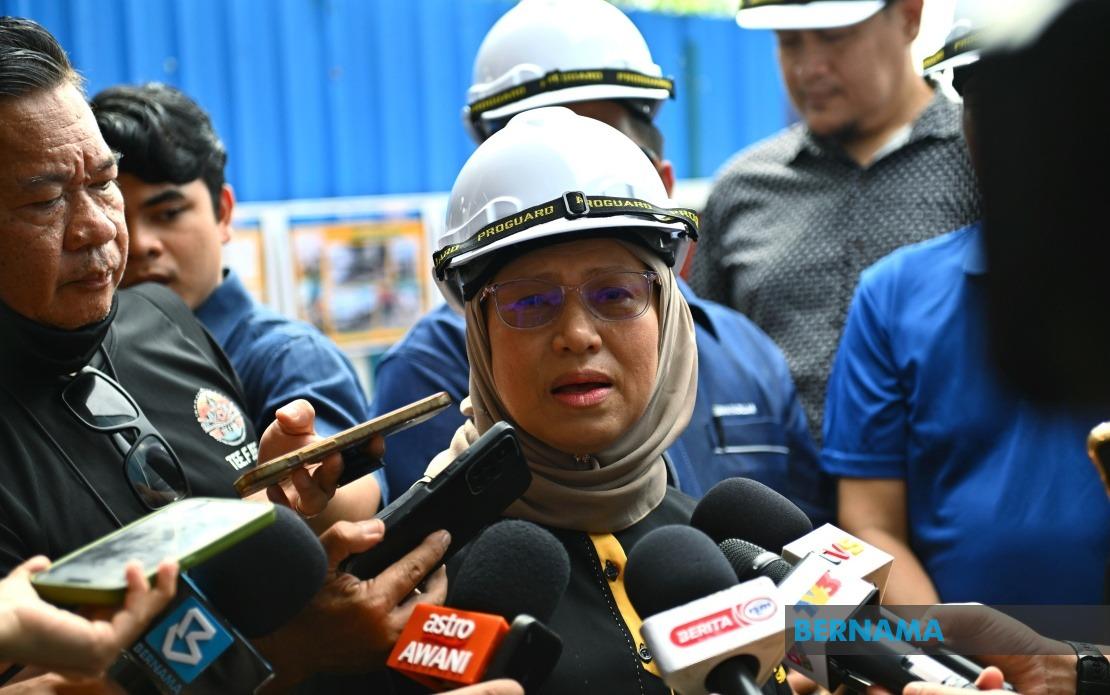
Women, Family and Community Development Minister Datuk Seri Nancy Shukri announced the decision during a site visit to the Pending Jetty upgrade project in Kuching on July 18, making clear that protecting child welfare takes precedence over ordinary business operations. Though the Education Ministry holds primary regulatory responsibility for kindergartens, JKM's involvement reflects the seriousness with which child protection concerns are treated within Malaysia's welfare framework. The dual-ministry approach underscores how child safety matters transcend normal bureaucratic silos when allegations emerge.
The investigation centres on a formal complaint lodged by a former kindergarten teacher who witnessed what she characterized as improper handling of children at the premises. Her account included disturbing details: children sleeping directly on floors without mattresses and being confined in toilet facilities. Langkawi district police chief ACP Khairul Azhar Nuruddin confirmed that officers are methodically examining these claims through conventional investigative means, including review of security camera footage and collection of witness statements to establish whether the allegations have factual basis.
Under Malaysia's child protection legal framework, the case falls within Section 31(1) of the Child Act 2001, which sets standards for the treatment and care of children. The invocation of this specific provision signals that authorities view the allegations as potentially constituting child abuse or gross neglect under statutory definitions. Nancy stressed that parents should remain vigilant and follow police guidance to ensure their children's safety, implicitly acknowledging the trust breach that occurs when educational institutions fail in their duty of care.
JKM has assigned child protection officers to work collaboratively with police and the District Education Office, creating a multi-agency task force to gather evidence and prepare comprehensive investigative reports. This coordinated approach aims to thoroughly document whether the kindergarten violated care standards, safety protocols, or welfare regulations governing early childhood facilities. The kindergarten operator has already received official cautioning about deficiencies in child care, safety, and welfare practices, with formal reminders to comply with applicable regulations.
Authorities made explicit that any verified legal violations will trigger appropriate enforcement action, signalling that this matter extends beyond administrative reprimand. The threatened sanctions likely include potential prosecution, permanent closure rather than temporary suspension, loss of operating licenses, and professional consequences for responsible individuals. This graduated warning system—from cautioning through investigation to potential legal action—reflects the seriousness with which Malaysian authorities now approach institutional child protection failures.
The incident highlights broader concerns about oversight within the early childhood education sector in Malaysia. Private kindergartens and childcare facilities operate across diverse regulatory environments, with varying inspection frequency and enforcement rigor. Parents entrust institutions with their most vulnerable family members during critical developmental years, creating an asymmetric relationship where institutional failures can cause lasting physical and psychological harm. The Langkawi case, if substantiated, would represent a fundamental breach of this trust.
For Malaysian parents, this situation reinforces the importance of rigorous due diligence when selecting childcare facilities. Establishing regular communication channels with children, monitoring behavioural changes, checking facility credentials, and maintaining familiarity with care environments can help identify problems before they escalate. The willingness of the former teacher to report concerns through official channels demonstrates the crucial role that institutional insiders play in protecting children when external oversight proves insufficient.
This incident also reflects evolving public expectations regarding child protection in Malaysia. Increased social media awareness and changing attitudes toward child rights have created an environment where allegations that might previously have been quietly managed now trigger visible government responses and public scrutiny. The transparent communication from Nancy and police leadership contrasts with historical patterns of institutional protection and suggests a genuine shift toward accountability.
The investigation will test whether Malaysia's regulatory mechanisms can effectively protect children in private childcare settings. Authorities must determine whether failures stemmed from inadequate facility standards, insufficient inspections, poor staff training, weak enforcement, or individual negligence. These distinctions matter because they point toward different remedial solutions—whether systemic regulatory overhaul or targeting of specific actors.
For Southeast Asian neighbours facing similar institutional child protection challenges, the Langkawi case offers lessons about the importance of multi-agency coordination, transparent communication with parents and the public, swift investigative response, and credible enforcement threats. Countries strengthening their child protection frameworks can learn from both Malaysian authorities' visible commitment to investigating these allegations and the underlying regulatory gaps that allowed such conditions to potentially exist.

