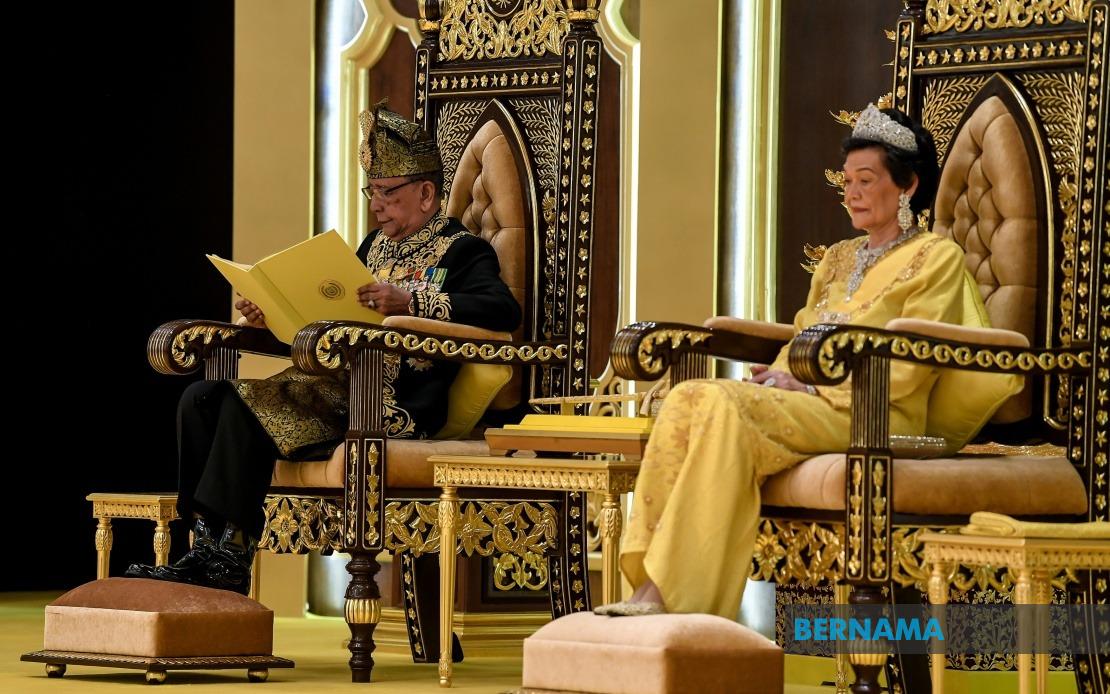
The Sultan of Kedah, Al Aminul Karim Sultan Sallehuddin Sultan Badlishah, has issued a clarion call for Langkawi Island to chart its own developmental course, rejecting the temptation to emulate or directly compete with established regional tourist capitals. Speaking at an investiture ceremony marking his 84th birthday in Alor Setar on July 5, the Sultan articulated a vision that positions Langkawi's authenticity as its greatest competitive advantage rather than viewing the island as a secondary mirror of more famous competitors.
The Sultan's remarks carry particular significance given the intense rivalry for tourist dollars across Southeast Asia's island destinations. Rather than pursue copycat development that would see Langkawi become a diluted version of Thailand's Phuket or Indonesia's Bali, the royal address emphasizes that the island's enduring value lies in preserving and thoughtfully cultivating what already distinguishes it. This strategic perspective suggests that authentic differentiation—rooted in Langkawi's specific natural features, cultural heritage, and indigenous character—offers a more sustainable foundation for long-term tourism competitiveness than attempting to replicate the established models of larger, more developed neighbours.
According to Sultan Sallehuddin, Langkawi functions as a critical economic engine for Kedah state and holds strategic importance for Malaysia's broader tourism and revenue generation ambitions. The island's designation as a premier tourism destination reflects decades of investment and marketing, yet the Sultan's comments imply that current development trajectories may not be optimizing the island's most distinctive assets. The emphasis on Langkawi's "true strength" residing in its "natural treasures and unique heritage" suggests that policymakers should reassess whether recent growth has inadvertently eroded the very qualities that initially attracted international visitor interest.
The Sultan articulated an unequivocal commitment to protecting Langkawi's reputation and image, declaring that he would tolerate no interference from parties seeking to exploit development opportunities in ways that could damage the island's standing. This protective stance indicates awareness of tensions that can emerge when rapid commercialization encounters conservation concerns, a phenomenon familiar across Southeast Asia's most-visited destinations. By explicitly warning against reputational damage, the Sultan signals that Langkawi's development framework must be underpinned by strict accountability and ethical standards.
Sustainable development emerged as a cornerstone principle in the Sultan's vision. Rather than pursuing extractive or exploitative tourism models, the royal address advocates for balanced growth that preserves environmental integrity and cultural authenticity for future generations. This perspective aligns with emerging global recognition that over-tourism and unsustainable development practices can permanently degrade destination appeal, ultimately undermining the economic benefits that rapid expansion initially promises. For Malaysia and the region, this represents an important counterweight to pressures for immediate, maximum-extraction development.
Beyond tourism strategy, the Sultan raised pressing concerns about infrastructure project delays that have plagued Kedah residents. The Sungai Kedah/Anak Bukit flood mitigation plan, which remains incomplete despite lengthy delays, has left communities vulnerable to recurring inundation. The Sultan's intervention on this issue underscores the interconnection between tourism development aspirations and basic governance responsibilities. Langkawi's appeal to international visitors depends partly on reliable infrastructure, public safety, and quality of life for residents—foundations that cannot be secured through tourism marketing alone.
The flooding crisis mentioned by the Sultan exemplifies how infrastructure gaps directly impact both resident welfare and destination competitiveness. Tourist experiences are inevitably compromised when flooding disrupts transportation, damages accommodations, or creates sanitation hazards. More fundamentally, when local residents experience chronic flooding despite promises of resolution, public confidence in governance erodes, undermining the social cohesion necessary for sustainable tourism development. The Sultan's call for immediate remediation reflects understanding that Langkawi's long-term prosperity requires addressing these foundational challenges.
The timing of the Sultan's remarks, delivered during his birthday honours ceremony, carries procedural significance. By using this formal occasion to articulate royal guidance on both tourism strategy and infrastructure priorities, Sultan Sallehuddin has elevated these concerns beyond routine administrative matters into questions of state-level importance. This approach typically signals expectations that relevant agencies and leadership will treat these directives as priorities warranting accelerated attention and resource allocation.
For Malaysian policymakers, the Sultan's vision offers a framework distinct from purely market-driven or comparative-advantage approaches. Rather than asking "How can Langkawi compete more directly with Phuket or Bali?", the royal guidance reframes the question as "What makes Langkawi irreplaceably distinctive, and how can we develop that authenticity in ways that benefit residents and attract visitors?" This subtle but consequential shift emphasizes that Langkawi's competitive advantage rests not on cost-cutting or imitation but on cultivating and protecting its singular character.
The broader regional context matters here. Southeast Asia's tourism sector faces increasing pressure from over-capacity, environmental degradation, and visitor fatigue at heavily developed destinations. Destinations that successfully positioned themselves as alternatives—offering authentic experiences, environmental protection, and genuine cultural engagement—have proven more resilient and profitable than those pursuing undifferentiated mass-market strategies. The Sultan's call for Langkawi to maintain distinctive identity aligns with this emerging market reality.
Looking forward, implementation will prove critical. Royal exhortations for sustainable, identity-conscious development only achieve their intended effects when translated into concrete policy, investment decisions, and enforcement mechanisms. Whether Kedah's development authorities will meaningfully constrain commercial pressures in favour of conservation and authenticity remains to be seen, but the Sultan's public and emphatic framing has established clear expectations against which future decisions will be measured. For Malaysia's tourism sector and regional observers, Langkawi's developmental trajectory offers a case study in whether authentic differentiation can prevail over imitative competition.

