The introduction of a dedicated sea ambulance service in Langkawi represents a significant breakthrough for the island's 325,000 residents and the millions of annual tourists who depend on its healthcare infrastructure. Set to commence operations in early 2024, the initiative addresses a chronic gap in emergency medical transportation that has long hindered patient care on the island. Finance Minister Datuk Seri Amir Hamzah Azizan announced that the Ministry of Finance has committed RM5.5 million to purchase the vessel and fund its initial operational phase, signalling serious government commitment to resolving this longstanding accessibility crisis.
For island communities like Langkawi, sea ambulance services represent far more than routine transport logistics. The absence of dedicated emergency marine evacuation has forced residents to rely on commercial ferry services, which operate on fixed schedules and may be unavailable during critical night-time emergencies. This dependency has created genuine risks for patients requiring urgent hospitalisation or specialist care unavailable on the island itself. The mainland's larger medical facilities remain the only option for serious trauma cases, complex surgical procedures, and conditions requiring intensive care—yet reaching them has required improvisation and costly delays that compromise patient outcomes.
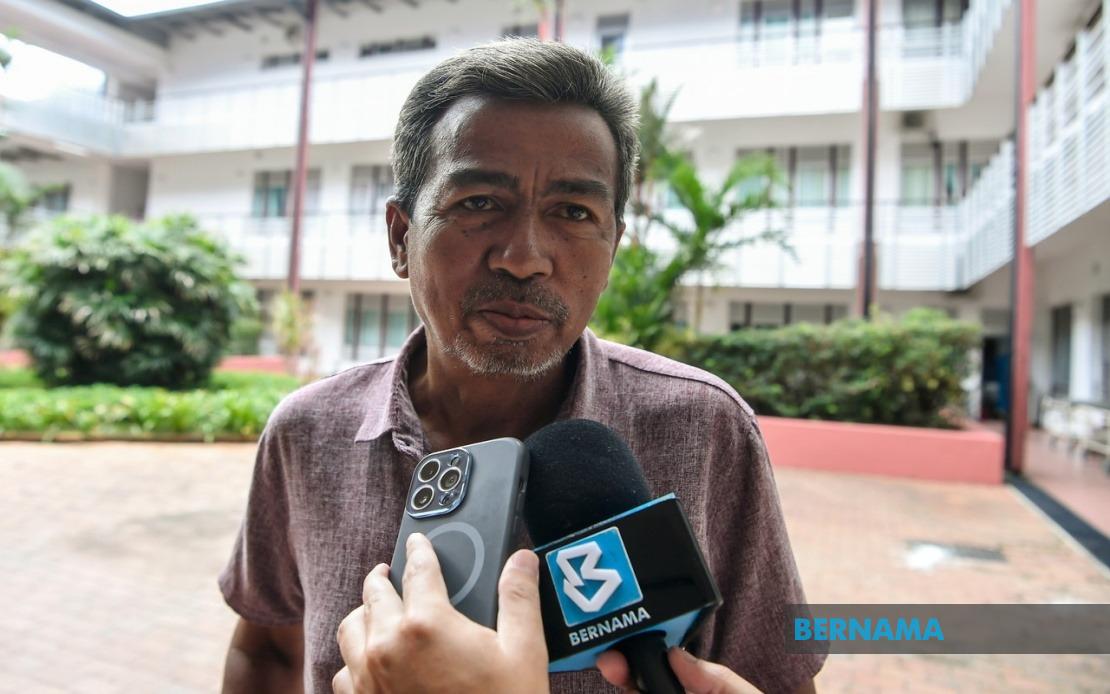
Yusuf Zakaria, chairman of the Langkawi Small Traders Association, emphasised the distinction between the new government service and the existing non-governmental organisation water ambulance. While acknowledging the private sector's efforts, he stressed that a government-operated service brings standardised procedures, regulatory oversight, and accountability mechanisms that instil greater confidence in safety protocols. This institutional legitimacy matters profoundly in medical emergencies, where families need assurance that their loved ones are receiving care that meets formal quality standards rather than depending on organisational goodwill.
Contractor Muhamad Hafiz Abdul Jalil articulated the practical frustrations that prompted this initiative. For construction workers, agricultural labourers, and others engaged in physically demanding occupations on Langkawi, workplace injuries or acute health episodes have created logistical nightmares without proper emergency marine transport. Ferry services, designed for passenger convenience rather than medical evacuation, lack equipped cabins, trained attendants, and stabilisation systems necessary for critically ill patients. The absence of these facilities has transformed routine medical emergencies into crises, potentially costing lives or causing preventable deterioration during transport delays.
Masri Ahmad, a trader with decades of experience navigating Langkawi's healthcare challenges, highlighted a dimension often overlooked in development discussions: tourism economics. Langkawi's status as a major tourist destination means the island hosts hundreds of thousands of international and domestic visitors annually. Medical emergencies affecting tourists—heart attacks, diving accidents, severe allergic reactions—present both humanitarian and economic imperatives. When visitors require emergency evacuation to mainland hospitals without proper maritime medical infrastructure, the incidents damage Langkawi's reputation and deter future tourism. Conversely, a modern sea ambulance service becomes a competitive advantage in the regional tourism market, offering visiting families the reassurance that comprehensive emergency care exists immediately accessible.
The service's establishment also reflects broader healthcare equity considerations across Malaysia's archipelago. Island and remote communities frequently face disproportionate health risks due to geographic isolation, yet receive fewer infrastructure investments than urban centres. This pattern perpetuates health disparities, with island residents experiencing higher mortality rates from preventable emergencies simply because critical transport links remain absent. The Langkawi decision sets precedent for similar investments in other island communities like Tioman, Perhentian, and Semporna, suggesting acknowledgement that regional healthcare systems require marine components.
Operationally, the sea ambulance's impact extends beyond direct transport functions. Its presence enables pre-hospital emergency care to begin immediately upon departure rather than waiting for arrival at mainland facilities. Equipped ambulances with trained paramedics can stabilise conditions, administer medications, and monitor vital signs during the journey—interventions that prove critical in trauma, stroke, and cardiac cases where minutes determine neurological damage or survival rates. This pre-hospital window represents the difference between lifelong disability and full recovery in numerous emergency scenarios.
The RM5.5 million allocation encompasses both capital investment and operational sustainability, recognising that equipment purchase alone represents only partial cost. Staffing a 24-hour service with trained maritime paramedics, maintaining vessel seaworthiness, purchasing medical consumables, and ensuring rapid response capability require ongoing funding. This comprehensive budgeting approach suggests that government planners have consulted international best practices for maritime emergency services, avoiding the pitfall of launching ventures that deteriorate due to insufficient operational funding.
From a Malaysian perspective, this initiative demonstrates how infrastructure investment targeted at overlooked communities generates disproportionate improvements in quality of life and economic security. Residents gain fundamental healthcare access they were denied through geography; workers gain confidence returning to physically demanding occupations knowing emergency evacuation exists; and the tourism sector gains competitive advantage. For neighbouring Southeast Asian nations with comparable island communities and similar healthcare infrastructure gaps, Langkawi's sea ambulance model offers a replicable solution that other governments might examine and adapt.
The service's launch in early 2024 will mark the culmination of advocacy efforts by Langkawi business groups, healthcare professionals, and residents who persistently raised the issue despite resource constraints faced by government agencies. Their sustained pressure demonstrates how civil society engagement, when united across business and community interests, can prioritise essential services in policy-making. The success of this initiative may encourage similar coalitions to advocate for other infrastructure gaps affecting island and remote communities throughout Malaysia.

