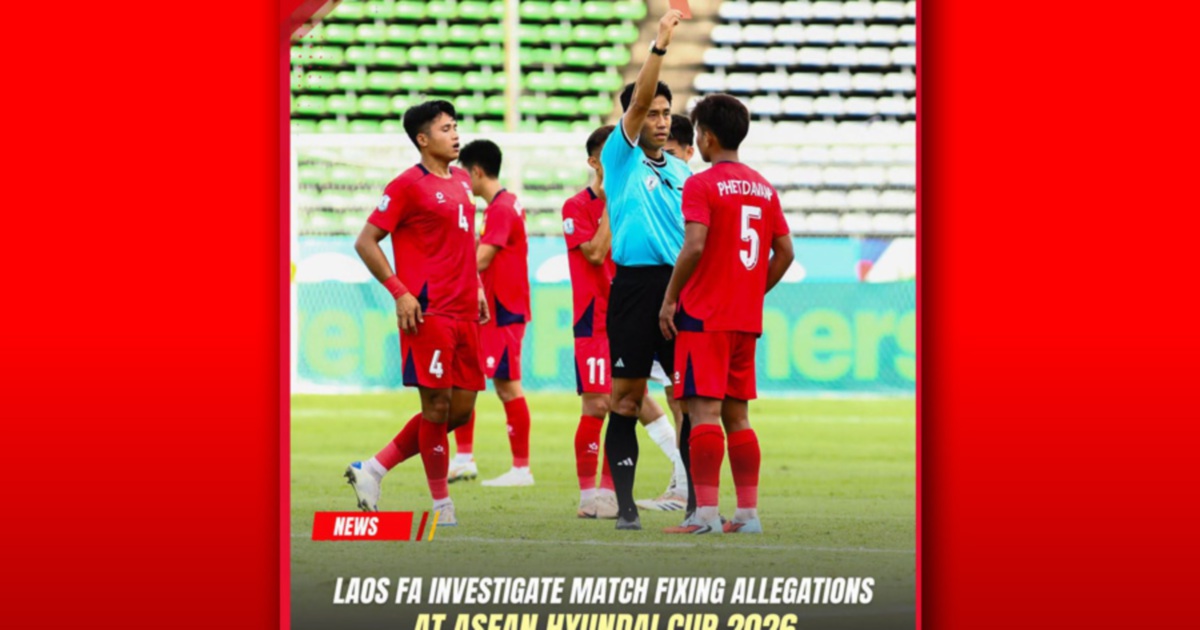
Corruption allegations have surfaced within Southeast Asian football following a formal decision by the Lao Football Federation to conduct an extensive investigation into purported misconduct by members of the country's national squad. The federation's move addresses serious claims spanning match-fixing activities, improper financial inducements, and participation in illegal gambling operations, signalling growing anxiety about integrity standards across the region's sporting competitions.
The decision to pursue a high-level inquiry reflects the gravity with which authorities are treating the allegations. Match-fixing represents one of the most damaging threats to professional football globally, as it fundamentally undermines the credibility of competitions and erodes public confidence in the sport. For Southeast Asian football, which is still developing its regulatory frameworks and enforcement mechanisms, such scandals can have particularly severe consequences for the league's international standing and domestic support.
The timing of these allegations coincides with competitive pressure surrounding regional tournaments, particularly the Asean Cup, which represents one of the premier footballing events in the calendar. The visibility and stakes associated with such competitions can unfortunately create environments where illicit betting syndicates attempt to manipulate outcomes. The involvement of national team players in such schemes would suggest that corruption networks have penetrated beyond domestic league structures into the highest echelon of football administration in Laos.
Bribery allegations compound concerns about institutional weakness within football governance frameworks. When corrupt actors can successfully persuade players or officials to compromise sporting integrity through financial incentives, this indicates insufficient safeguards exist to detect and deter such behaviour. The federation's investigation will likely need to examine recruitment patterns, payment trails, and communication channels through which alleged corrupt transactions occurred.
The illegal gambling dimension of the scandal highlights the interconnected nature of sporting corruption in Southeast Asia. Illegal betting operations frequently drive match-fixing schemes, as operators profit when matches produce predetermined outcomes. The prevalence of unregulated gambling platforms across the region creates readily accessible markets where individuals can place bets on football matches with minimal oversight, significantly increasing the financial incentives for corrupt manipulation.
For Malaysian football enthusiasts and administrators, the Laos situation offers cautionary lessons about vigilance required to maintain competitive integrity. Although the allegations centre on Laos, the regional nature of Asean Cup competition means Malaysian teams and officials interact regularly with counterparts from all participating nations. Any corruption discovered in one federation can potentially implicate players, officials, or organisations from other countries, depending on the scope of illicit networks involved.
The federation's willingness to initiate an investigation rather than suppress allegations suggests that at least some elements within Lao football administration recognise the necessity of transparency and accountability. Regional sporting bodies increasingly face pressure from the international football community to address corruption proactively. Failure to conduct genuine inquiries can result in sanctions, reduced participation opportunities, and reputational damage that extends beyond individual federations to affect neighbouring countries' international standing.
Southeast Asian football development agencies and tournament organisers will likely implement enhanced monitoring measures in response to the revelations. These could include increased scrutiny of player communications, financial transaction records, and betting market movements surrounding matches. Such precautions, while somewhat intrusive, have become standard practice in professional football leagues grappling with integrity threats in other global regions.
The investigation's outcome will substantially influence how Asean football governance evolves in coming years. Should evidence confirm extensive match-fixing networks, implications extend beyond disciplinary action against individual players and officials to broader institutional reforms. Federations throughout Southeast Asia may need to strengthen educational programmes for players regarding corruption risks, implement clearer reporting mechanisms for suspicious activities, and establish dedicated integrity investigation units capable of conducting sophisticated forensic analysis.
International football bodies including FIFA and the Asian Football Confederation are monitoring the situation closely, given their responsibility for maintaining standards across global football. Their involvement could influence the investigation's methodology and ensure findings meet international investigative standards, though this also introduces external scrutiny that domestic authorities may find challenging.
The scandal underscores persistent vulnerabilities within developing football markets where insufficient resources and regulatory capacity constrain corruption prevention efforts. Strengthening Southeast Asian football against match-fixing and related corruption will require sustained investment in governance infrastructure, personnel training, and technology capable of detecting suspicious patterns in betting markets and player behaviour.
For Malaysian stakeholders, the incident emphasises the importance of regional cooperation on sporting integrity matters. Football's borderless nature means that corruption in one country can spread rapidly through networks spanning multiple nations. Collaborative approaches to investigation, information sharing, and sanctions coordination offer the most effective means of combating sophisticated corruption schemes operating across Asean boundaries.
The forthcoming investigation findings will provide crucial insights into the extent of corruption within Lao football and potentially reveal whether similar networks operate within other Southeast Asian football associations. These revelations should prompt urgent governance reviews across the region to ensure adequate safeguards exist and that all participants understand the consequences of compromising sporting integrity.

