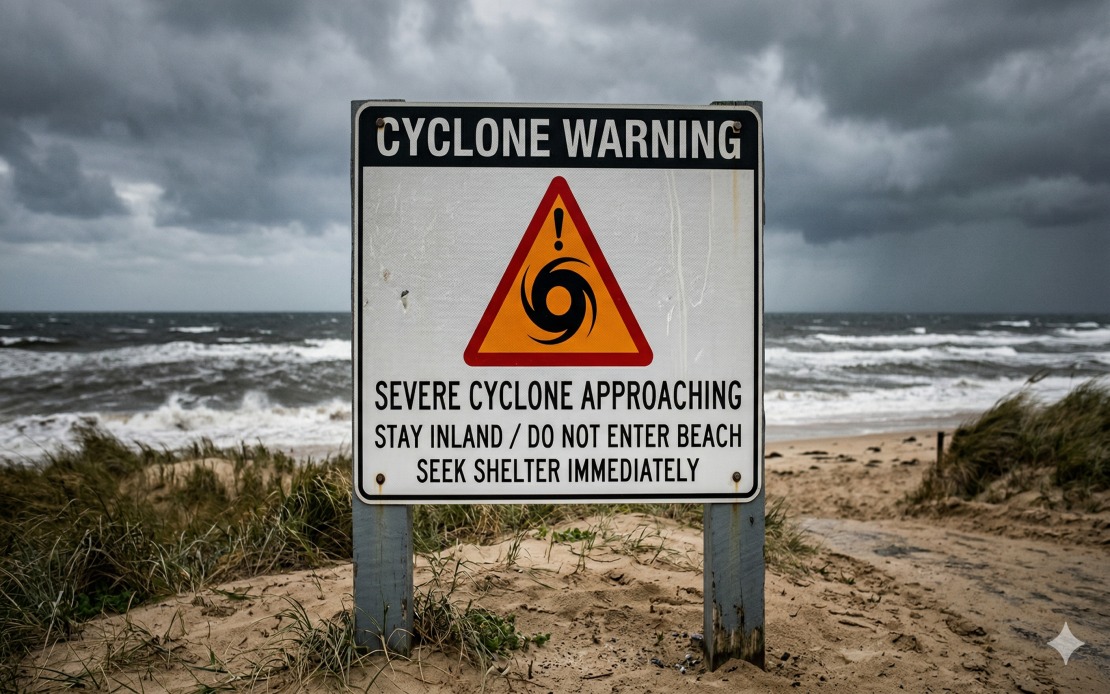
The Baltic nation of Latvia activated its highest-level weather alert on Friday as meteorologists tracked an approaching cyclone poised to batter the country over the coming weekend. The Latvian Environment, Geology and Meteorology Centre issued a red warning specifically targeting parts of central Latvia, with Riga and Jelgava among the most vulnerable zones. The alert period extends from 8 am Saturday through 1 am Sunday, though officials cautioned that the affected territory may shift as updated forecasts become available throughout the event.
The cyclone presents a multifaceted threat to infrastructure and daily life across the nation. Forecasters expect torrential rainfall combined with forceful winds capable of causing widespread property damage and environmental disruption. The dual hazard of heavy precipitation and strong gusts creates compounding risks that challenge emergency response systems and public safety infrastructure simultaneously. Such weather phenomena are becoming increasingly significant across Northern Europe as climate patterns evolve, making preparedness protocols increasingly critical for regional governments.
Authorities have issued stark warnings about potential flooding impacts across residential and commercial landscapes. Homes, roadways, agricultural areas, and private gardens face inundation risks, with some transportation corridors potentially becoming completely impassable within hours. The scenario presents particular challenges for emergency services that may find access routes compromised precisely when response capacity is needed most. Rural areas and low-lying regions appear especially vulnerable to water accumulation and drainage failures.
Critical infrastructure remains at considerable risk during the event. Electricity and water supply networks could experience significant disruptions, whilst telecommunications services that communities rely upon for emergency coordination may become intermittent or offline. The cascading nature of such failures means that disruptions to power systems frequently trigger secondary problems affecting water treatment, heating systems, and medical equipment dependent on reliable electrical supply. Vulnerable populations including elderly residents, those with medical dependencies, and families with young children face particular hardship during extended outages.
Latvia's State Fire and Rescue Service has implemented a public awareness campaign advising residents to minimise outdoor movement during the danger window. Citizens have been urged to secure any loose outdoor items—garden furniture, trampolines, signage—that could become projectiles in high winds. Critically, authorities recommend that households charge electronic devices and mobile phones before power systems fail, ensuring that residents maintain communication capabilities and access to emergency information during the event. These precautions reflect lessons learned from previous severe weather episodes across the region.
The cyclone's threat has already prompted cancellations across Latvia's entertainment and social calendar. Outdoor events scheduled for the weekend have been postponed or abandoned entirely, recognising that gathering large numbers of people in exposed locations during such conditions poses unacceptable safety risks. Organisers of festivals, markets, and sporting events have adapted their scheduling, though this creates economic consequences for venues, vendors, and workers dependent on weekend activities for income.
Neighbouring Estonia faces comparable threats from the same weather system, expanding the geographical impact zone significantly. The Estonian Environment Agency has issued parallel warnings for heavy precipitation and strong winds affecting communities across Estonia's territory. This international dimension underscores how weather phenomena respect no borders, requiring coordinated response approaches and mutual support between Baltic nations. Emergency management officials in both countries maintain communication channels to share real-time observations and coordinate resource allocation if necessary.
Estonian electricity distribution operator Elektrilevi has specifically highlighted the danger posed by tree fall and branch breakage during powerful wind events. The extensive forestry across Estonia means that arboreal damage frequently cascades into widespread power outages affecting thousands of consumers across rural and suburban regions. The operator has pre-positioned response crews and equipment, anticipating the demand surge that typically follows severe weather events. Managing competing restoration priorities across a large geographical area whilst maintaining crew safety represents a significant operational challenge during active storm conditions.
The cyclone event illustrates broader vulnerability patterns affecting Baltic infrastructure systems. Whilst Latvia and Estonia maintain relatively modern technical systems, the intersection of extreme weather, aging components, and stretched emergency response resources creates genuine risk. The region's geographical position and climate characteristics mean that intense cyclonic systems are not unprecedented, yet each event tests regional preparedness and exposes gaps in resilience planning. Investment in infrastructure hardening, underground utility placement, and distributed backup systems remains an ongoing priority for both nations seeking to reduce future vulnerability.
For Malaysian and broader Southeast Asian observers, the Latvian situation offers relevant lessons despite dramatic differences in geography and climate. Extreme weather events—whether tropical storms, cyclones, or flash flooding—test governance capacity, public communication systems, and emergency response infrastructure universally. The Latvian approach to public warning, evacuation planning, and resource pre-positioning reflects international best practices applicable regardless of latitude. Regional authorities throughout Southeast Asia can extract valuable methodologies from how Baltic nations coordinate multi-agency responses and communicate risk transparently to populations, particularly as climate variability increases weather unpredictability globally.

