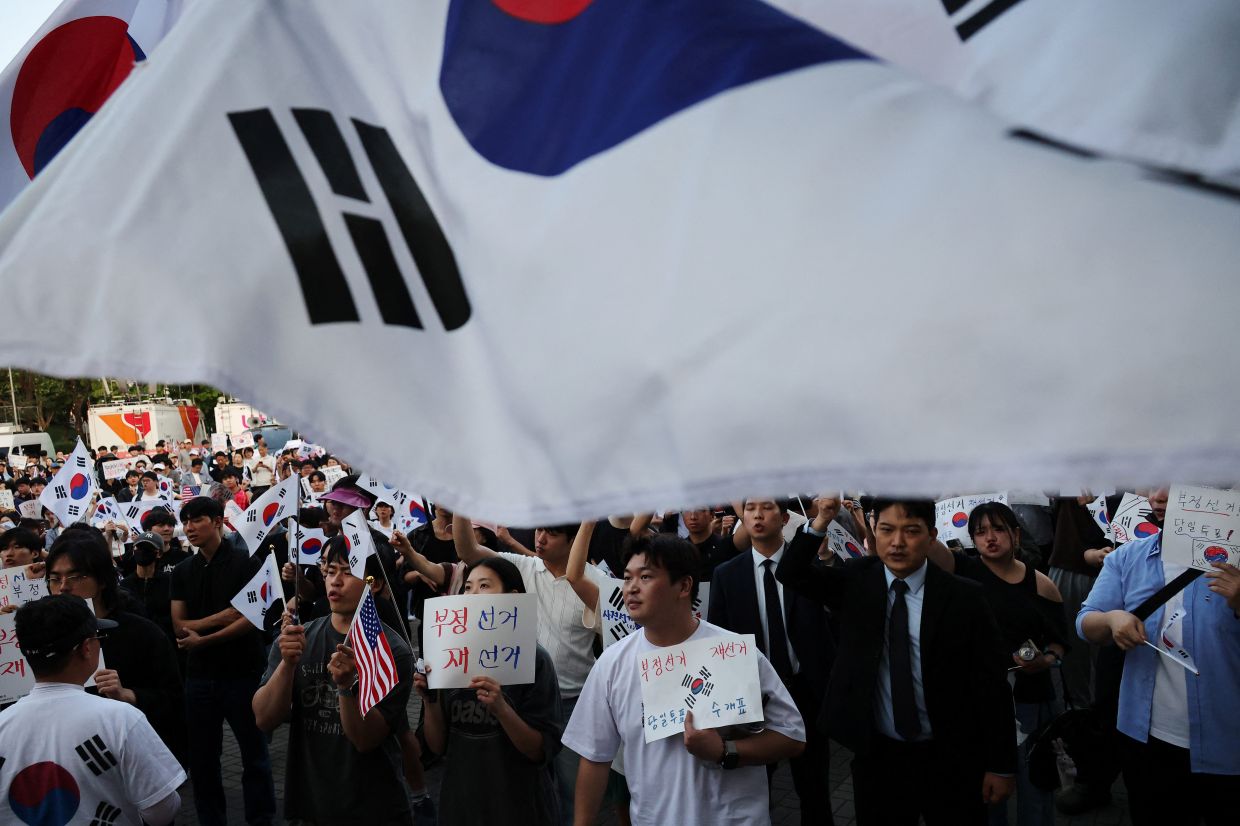
South Korean President Lee Jae Myung has urged demonstrators rallying against ballot shortages from the June 3 local elections to refrain from actions that impede the freedoms of others. In a statement posted on social media platform X on June 15, Lee warned that activism must remain within reasonable bounds and not obstruct the legitimate activities of citizens and organisations.
His comments followed reports of disruptions at Olympic Park in southern Seoul, where protesters had blocked access to sports facilities, hampering administrative operations necessary for South Korean athletes preparing for international events. The demonstrations have persisted around the handball arena at the venue, which served as a vote-counting centre during the June 3 elections and housed ballot boxes afterwards. Lee instructed authorities to investigate both those who forcibly obstructed work and individuals involved in coordinating such activities.
While acknowledging public frustration over voting rights violations stemming from the ballot shortages and mismanagement on election day, Lee drew a firm distinction between legitimate criticism of the National Election Commission and unfounded claims of electoral rigging. He characterised allegations of fraud as conspiracy theories being exploited to fuel unrest, noting that some individuals making such claims had threatened police officers, conducted irregular inspections and blocked facility access.
Lee underscored that while the election commission's management failures were problematic and worthy of scrutiny, all parties must operate within legal and institutional frameworks. He called on society to channel public discontent into constructive reform rather than inflammatory rhetoric, emphasising that a transparent fact-finding process should precede policy recommendations to prevent future occurrences.
The president urged the National Election Commission to fully cooperate with a parliamentary inquiry expected to commence shortly, and pressed prosecutors and police to accelerate their investigation into responsibility with thoroughness and impartiality. He framed the situation as an opportunity to strengthen democratic institutions and popular participation through accountable governance.