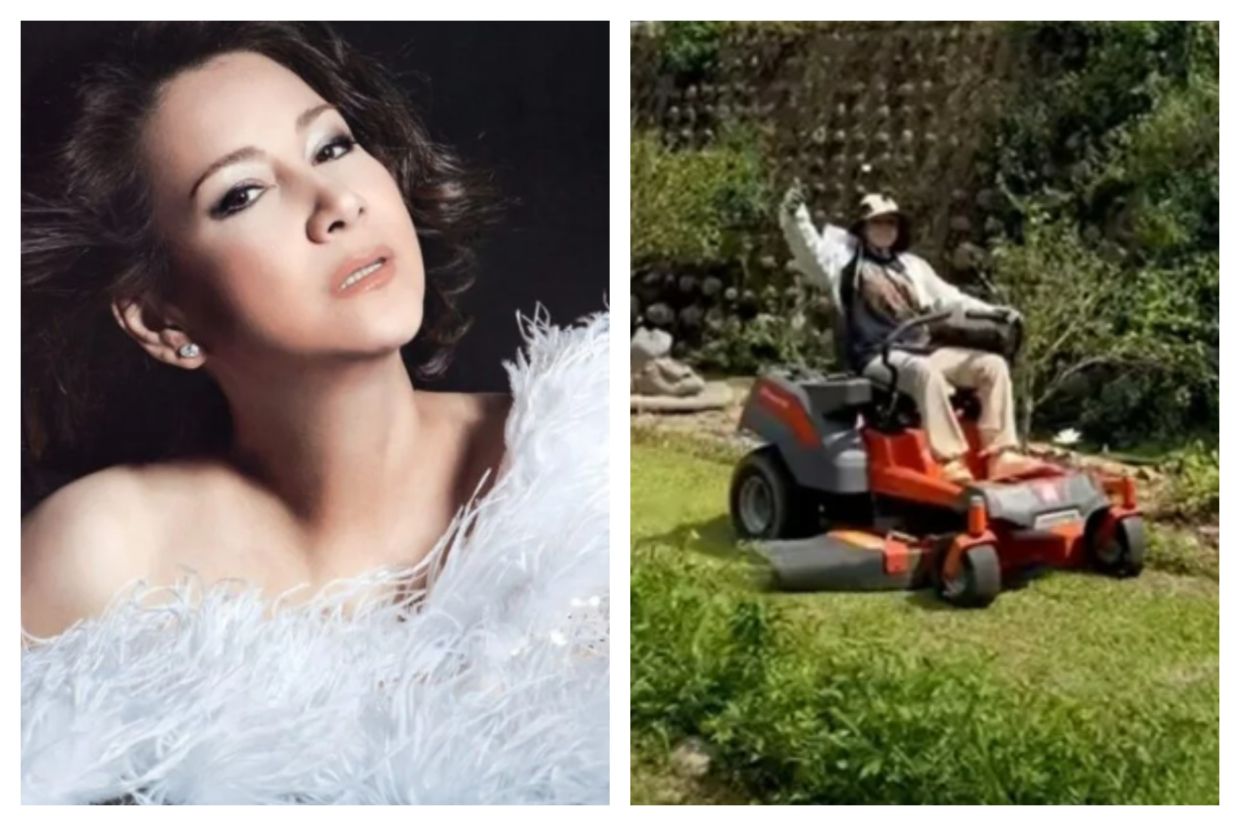
After decades at the forefront of popular music across Asia, 73-year-old Jenny Tseng has consciously chosen obscurity over stardom, trading the demands of entertainment for the rhythms of rural life on a sprawling farm in Taoyuan, Taiwan. The Macau-born vocalist, whose career launched in 1971, represents a notable departure from the typical trajectory of aging celebrities who struggle to fade from public view. Instead, she has deliberately constructed a quieter existence that prioritizes personal wellbeing over industry relevance, a choice that carries particular resonance in a region where entertainment careers often come with immense social pressure and invasive scrutiny.
Tseng acquired the 10,000 square-foot plot of land more than a decade ago and has since established it as her primary residence, creating a physical and psychological distance from the entertainment machinery that once defined her daily life. Her retreat from the public eye became particularly pronounced after 2017, marking the beginning of what amounts to an extended hiatus from active participation in the music and entertainment sectors that made her famous. This withdrawal was neither abrupt nor mysterious—rather, it reflected a deliberate recalibration of her priorities and values after a lifetime of navigating the complexities inherent in maintaining a high-profile career across Asia's competitive entertainment landscape.
Through a recent social media post that offered audiences a glimpse into her daily activities, Tseng shared footage of herself engaged in mundane yet fulfilling farm tasks: operating a lawnmower, tending to plants, and managing the various responsibilities that come with rural property ownership. These images carry symbolic weight beyond their surface simplicity. They represent a conscious rejection of the curated perfectionism that defines celebrity culture, offering instead an unvarnished portrait of productive leisure and genuine contentment. Her accompanying commentary articulated the philosophical underpinnings of this lifestyle choice with notable eloquence.
In her reflection on her decision to embrace farm life, Tseng identified the toxicity of entertainment industry culture as a primary motivator. The competitive environment within showbusiness generates what she described as excessive gossip, fabricated narratives, jealousy, and interpersonal scheming—dynamics that exact a psychological toll on those embedded within that ecosystem. By contrast, she proposed that deliberate engagement with simple, grounded activities offers a pathway to sustained positivity and mental wellbeing. Her enumeration of preferred pursuits—maintaining grounds, caring for livestock, cultivating flowers, preparing quality beverages, consuming entertainment, engaging with music, and reading—presents a counternarrative to the high-stress, achievement-oriented ethos that traditionally governs celebrity existence.
Tseng's previous statements to Chinese media outlets provided additional context for understanding her transition, revealing that she has long harbored desires for interpersonal simplicity unencumbered by complex relationship dynamics, misunderstandings, malevolence, and the relentless obligation to project an impossibly perfect image to the world. These concerns resonate across cultures and professions, but they hold particular intensity within Asian entertainment industries, where public expectation regarding star behavior remains exceptionally stringent and where personal information frequently becomes fodder for public consumption and judgment.
Despite her effective retirement from active career engagement, Tseng has not entirely severed her connection to music, the medium that defined her professional identity for nearly five decades. Rather, she has renegotiated that relationship on terms aligned with her current values and lifestyle. Her recent release of a limited-edition compilation box set containing five foundational Cantonese-language albums represents a carefully calibrated re-engagement with her artistic legacy. By restricting production to merely 200 copies distributed worldwide, she has transformed what might have been a commercial product into something approaching a gift exchange between artist and devoted followers, prioritizing the meaningful acknowledgment of her career arc over commercial maximization.
This selective approach to music demonstrates that withdrawal from the entertainment industry need not entail complete artistic disengagement. Instead, Tseng has modeled an alternative approach wherein the artist maintains creative agency while refusing the institutional pressures, promotional obligations, and personal invasiveness that characterize modern celebrity status. Such an approach may hold particular appeal for established artists across Southeast Asia facing similar questions about how to manage the latter chapters of careers built during different technological and cultural eras.
Tseng's personal history adds another dimension to her current choices. Her 39-year-old daughter Melody resulted from artificial insemination with her late husband, actor Alexander Fu Sheng, who perished in an automobile accident in 1983. Melody has charted her own path within the music industry, working primarily in behind-the-scenes production capacities rather than seeking public prominence. Based in the United States, she has built a career as a concert producer for internationally recognized artists including Demi Lovato and Carrie Underwood, maintaining connection to music while avoiding the celebrity status that characterized her mother's career.
The professional trajectory of Tseng's daughter suggests that alternative models for engaging with the entertainment industry—ones that offer creative fulfillment without requiring public prominence—represent increasingly viable options for those with industry connections. This generational difference underscores how changing technologies and industry structures create new possibilities for cultural participation that earlier generations might not have easily accessed.
Tseng's current lifestyle on her Taiwan farm ultimately reflects a larger conversation about authenticity, wellbeing, and the true costs of celebrity that deserves serious consideration across the Asian entertainment ecosystem. Her example challenges assumptions that sustained public visibility represents the only meaningful measure of professional success or personal fulfillment. For Southeast Asian audiences, her choice to prioritize quiet satisfaction over continued relevance within an industry environment she finds fundamentally misaligned with her values offers a refreshing counterpoint to narratives emphasizing unending ambition and relentless self-promotion.

